 GAMESLASH
AI agents built a survival game, but passing tests still missed broken farming
By GameSlash
An AI-assisted game case study: developer screenshots and scripted playtest records reveal a farming failure missed by automated checks, with lessons for creators.
AI can produce code for a game, but who checks whether playing it is actually enjoyable? A revealing case study is survival-game, a small multiplayer survival prototype directed by John Vrachnis and implemented with coordinated AI coding agents in September 2026. Rather than selling the number of agents, its public development notes show why passing automated checks is not enough to validate a complete gameplay loop.
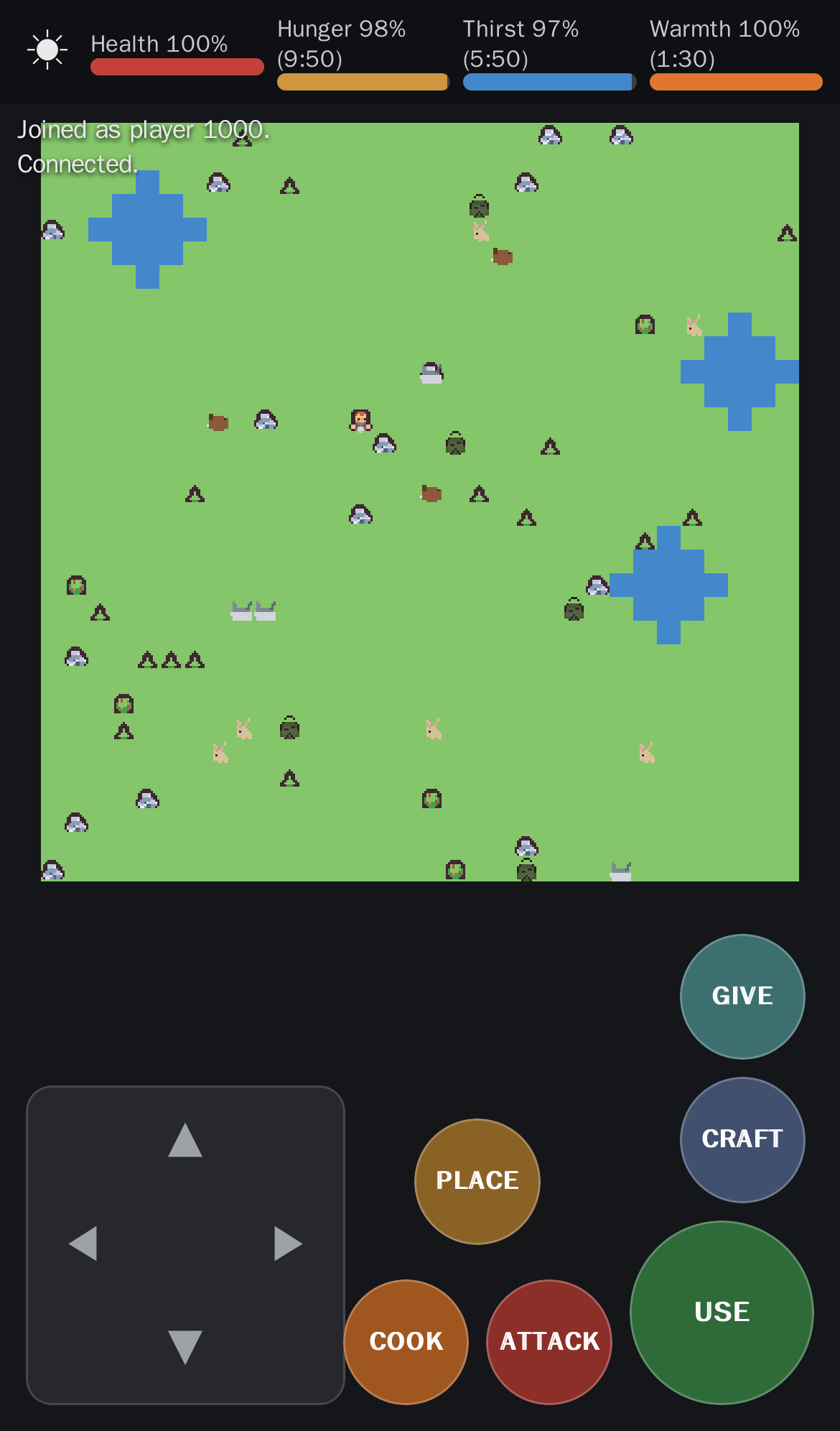
There is a game to test, not just a pile of code
The prototype has a shared online world where players gather rocks and wood, craft tools, manage hunger, warmth and thirst, and continue after saving and reloading. It offers terminal and browser clients; the public README explicitly labels the native GUI entry point as a stub, and the game remains rough v0.4 rather than a polished commercial release.
Its developer explains that AI agents worked under a human-authored design brief, separate tasks, reviews and repeatable checks. The original project dates to September 2026, so this is a retrospective case study, not an October launch announcement.
Passing checks does not prove a gameplay loop works
The project's reported v0.4 checks showed 1,479 tests passing with one expected failure. But an agent-run scripted playtest recorded zero successful harvests from 16 plantings: the key farming loop was too punishing. The author says the issue was fixed shortly afterwards, while preserving the original playtest report. The bug therefore describes the recorded test build, not necessarily today's code. This was a fixed-policy scripted driver, not a human playtest: it checked what actions were possible, not whether people found the game understandable or fun. Read the playtest record and test methodology.
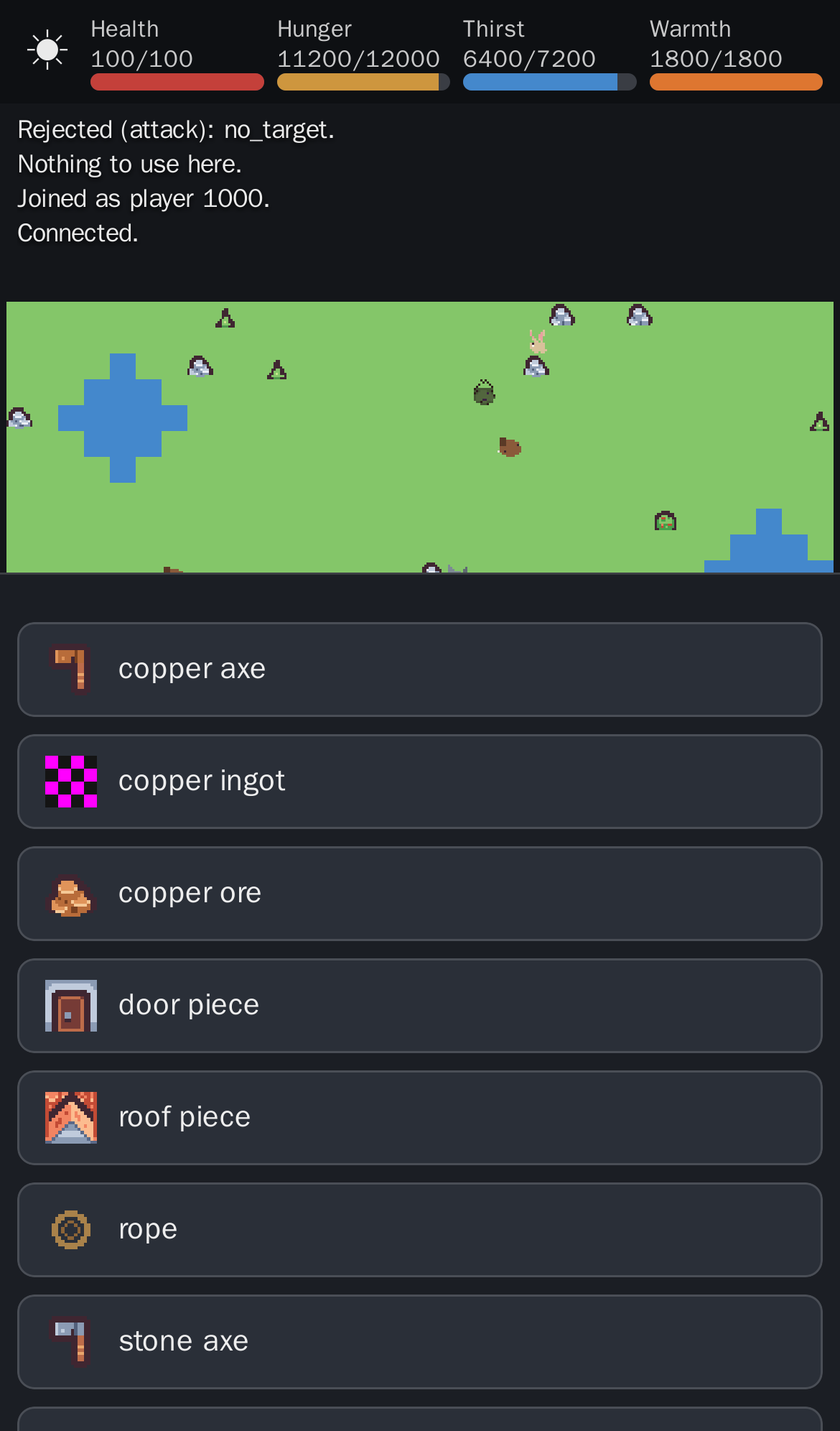
How AI game creators can apply it
Try one complete loop—collect wood, build a tool, survive a night—before giving AI more features. Make it replay the same actions after every update, and inspect failures that scripted tests miss. Keep test results tied to the exact version: this developer reports both the successful engineering checks and the gameplay failure instead of presenting the project as finished.
The developer did not verify play on physical iPhones, only a browser test at an iPhone-sized viewport. The released visuals are deliberately basic 16-pixel artwork. Screenshots come from the project's earlier v0.3 playtest folder and are not presented as current game captures. See the original repository and sprite credit record.