 GAMESLASH
Lullwood team measures 5,200-tree forest with chunked Three.js rendering
By GameSlash
New November 9 measurements detail how the Claude-assisted browser game's 64-chunk renderer keeps nearby trees active and avoids drawing the entire forest.
On 9 November 2026, Independence AI Studio shared measurements from Lullwood, its free browser survival-horror game developed by Claude agents under one founder's direction. The team renders a forest configured for 5,200 trees without maintaining all its tree meshes at once. Its technical write-up details the concrete implementation and measurements, rather than claiming an unverified frame-rate improvement. Read the developer's test report.
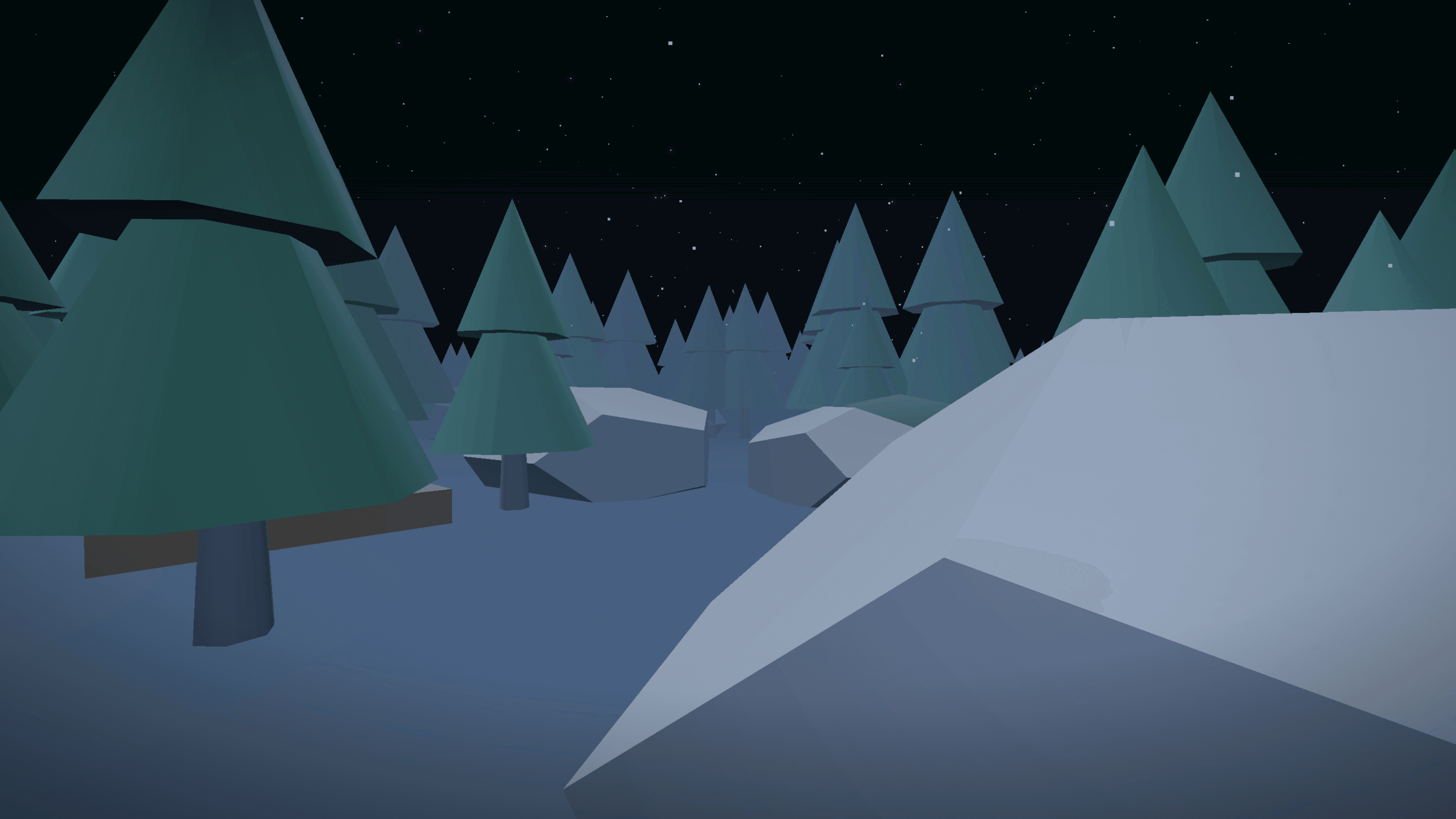
What changed in the forest renderer?
The older approach put every tree into a map-wide InstancedMesh pool. A pool spanning the whole map could not be culled efficiently. The current design divides the 480-unit forest into an 8×8 grid of 60-unit chunks; each chunk uses three InstancedMeshes (one trunk and two canopy shapes), with its own bounding sphere. Three.js can skip chunks outside the camera's view.
The team also streams nearby chunks: a 5×5 ring around the player, unloading only beyond a three-chunk distance to avoid rebuilding on every border crossing. At spawn 25 chunks with 2,088 tree instances were active; along a measured walking path it reached 36 chunks and 2,983 instances. These are the developer's measurements, not an independent GameSlash benchmark.
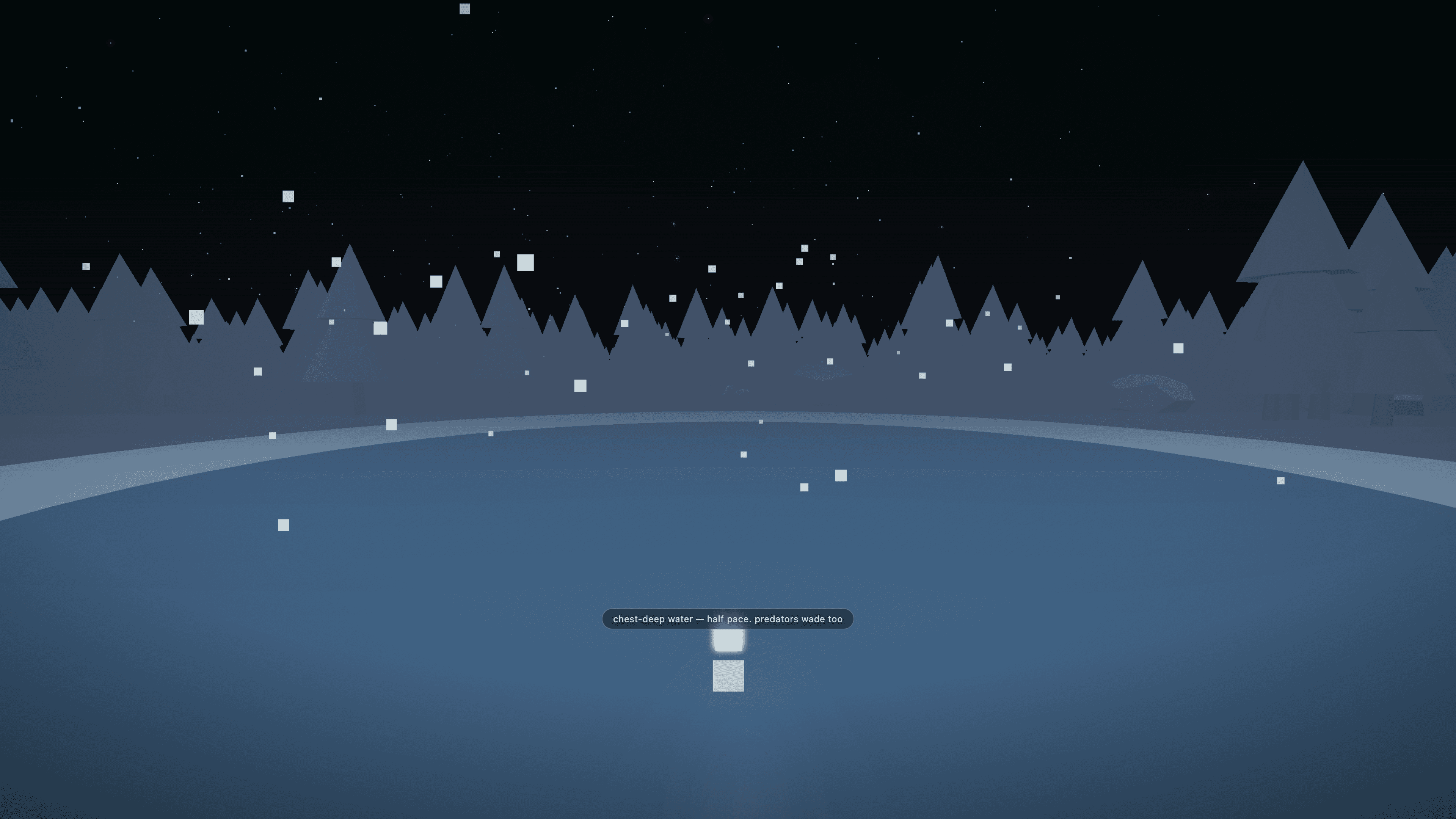
What the numbers can and cannot show
On 9 November the team sampled 20 views with headless Chrome at 1280×720, then examined additional walking positions. Across the 20 views, full-frame geometry ranged from 11,640 to 82,740 triangles. The highest walking-sample whole frame was 101,996 triangles and 219 draw calls. For comparison, 5,200 three-part trees in the old single-pool approach would involve 270,400 tree triangles by arithmetic alone; the team did not run a reliable old-versus-new frame-time benchmark.
Chunking trades visible triangles against more draw calls and buffer management. The team explicitly reports no FPS comparison or proof of better performance on phones. A developer building a large Three.js map can reuse the design lesson: group static instanced objects by camera-visible regions, preserve a streaming buffer, and measure the complete frame rather than the final post-processing pass.
Why it matters to AI-assisted game development
Lullwood's creator says Claude agents build the game while the human founder directs releases. This report shows one implementation that can be inspected and measured when AI helps author a game; it does not establish that AI automatically optimized the forest. The game is free to try in a browser. Developer report · Play Lullwood.