 GAMESLASH
Lunaris Engine opens an AI-first Rust game engine with MCP tools and sample games
By GameSlash
A new October 15 repository introduces Lunaris, an early Rust engine whose editor and AI agents share 52 MCP/JSON-RPC tools, with Orb Dash and Duel examples.
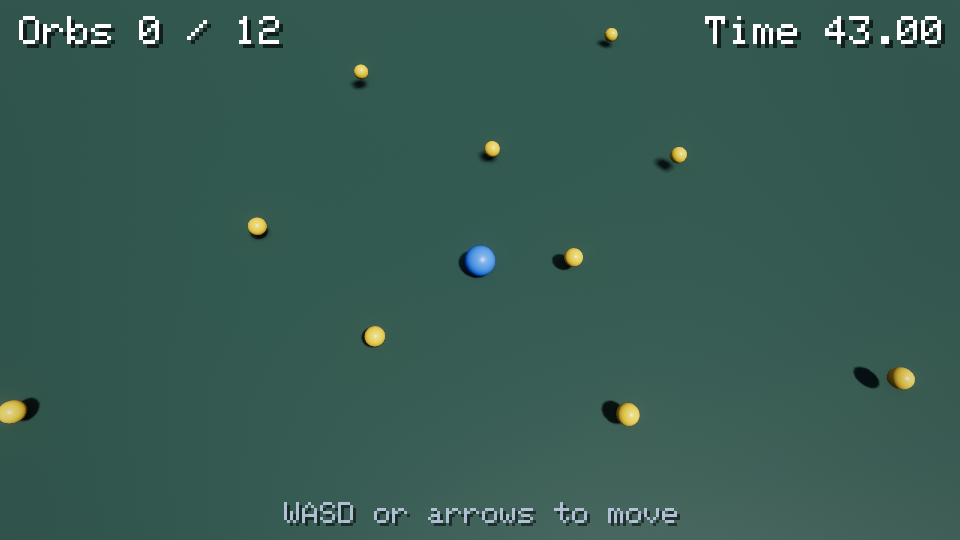
The public Lunaris Engine repository was created on October 15, 2026. Its developer presents an early Rust game engine designed for humans and AI agents to build, inspect and test game worlds through the same tool interface. This is an open-source development project, not a newly released commercial game.
One API for AI agents and developers
The project README documents 52 tools accessible through MCP / JSON-RPC. Agents can create entities, inspect world state, advance simulation steps, take snapshots and replay recorded actions. The aim is to make the game world inspectable and repeatable, instead of relying only on a model's guesses about the result.
The engine combines 2D sprites and tilemaps with 3D mesh rendering. Its creator describes deterministic simulation and testable state hashes; these are project claims documented with scripts, not performance results independently reproduced by GameSlash.
What the examples demonstrate
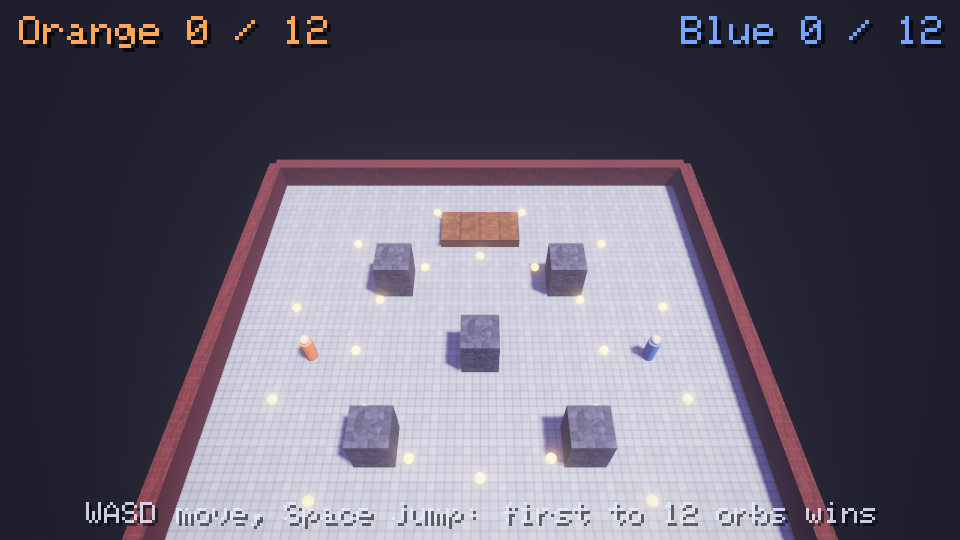
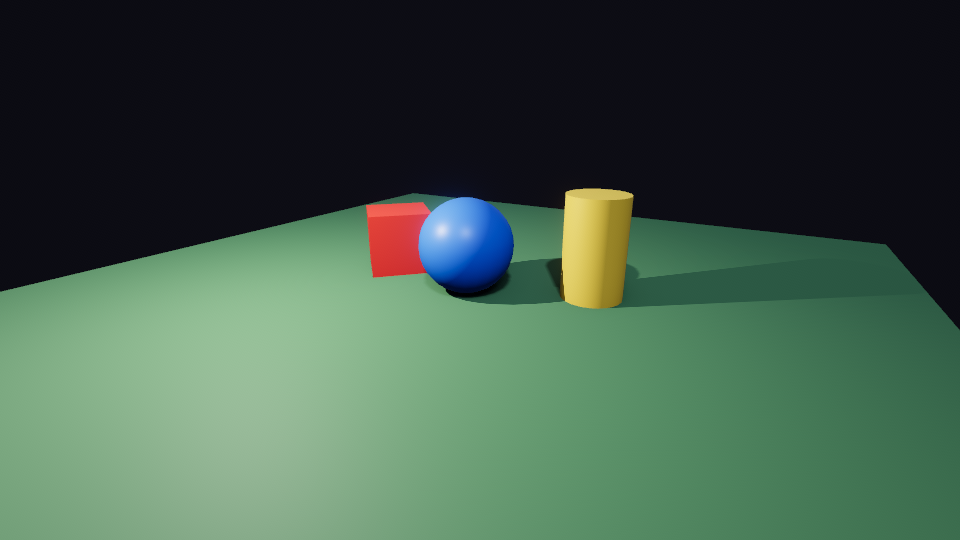
Two gallery examples are Orb Dash, in which the player collects orbs, and Duel, a two-player 3D arena. Both screenshots are supplied by the project. GameSlash did not install or play-test the engine. A separate visual sample demonstrates lighting and shadows; it should not be mistaken for footage of a released game.
Early-stage limitations and image rights
The author labels the current release 0.0.x. Its documentation says that a mature editor, macOS, mobile, browser and console support are not available, and that no major game has shipped with Lunaris. This matters more than the project's extensive feature list when judging immediate production readiness.
The repository is offered under MIT or Apache-2.0. Its third-party notices state that example art is generated by project scripts, not taken from another game. The images here are credited screenshots from its official gallery, not images captured by GameSlash.
For a related approach to agent-assisted game creation, see Tencent Game-Creation-Agents on GameSlash.