 GAMESLASH
RSIGame lets AI play, fix and re-test a game instead of stopping at the first draft
By GameSlash
A research case study showing how an AI agent tests and improves playable games, with real before-and-after demos and clear limits.
Getting an AI to make a game is only the beginning. The RSIGame research project looks at what happens next: AI agents run the game, identify problems, edit the project and test whether their fixes actually improved the playable result. The team released its paper on September 30, 2026; this is a research case study, not a newly launched consumer game creator.
Play, diagnose, fix, then play again
RSIGame has a smaller cycle that explores a working game, collects screenshots, logs and interaction evidence, chooses one specific repair, changes code or content and replays a demo to verify it. A second cycle tracks the best version found so far, so a later edit does not automatically replace a better earlier build. According to the researchers, the system can also retain improvement experiences for future model training. See the workflow and installation steps.
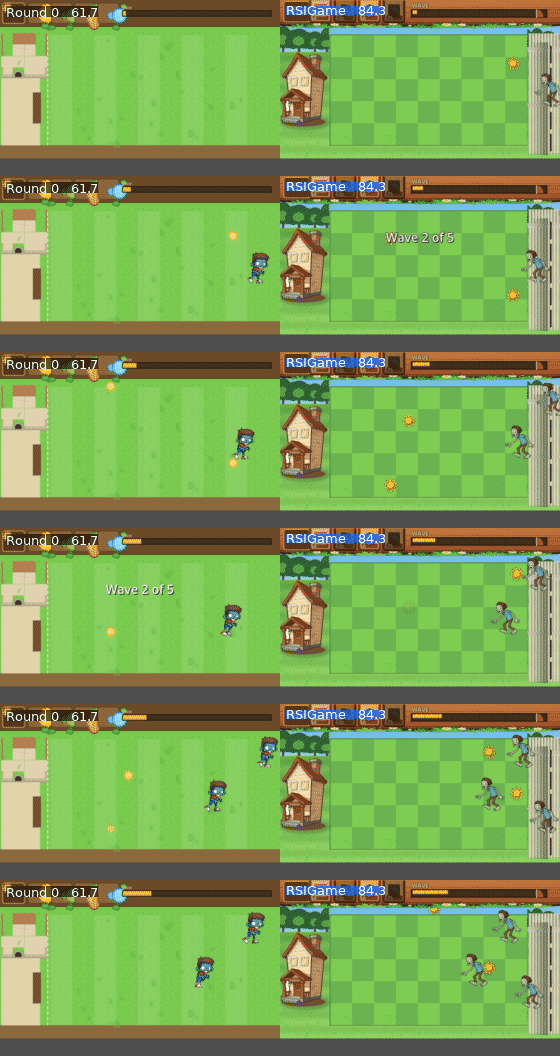
For example, the team shows Lawn Guardians, a tower-defense prototype, moving from a rubric score of 61.7 to 84.3 over 46 improvement rounds. These are the authors' benchmark scores, not gameplay review ratings or independent measurements. The picture above compares the initial build with the later one under matched demo inputs.
Why this matters for solo developers
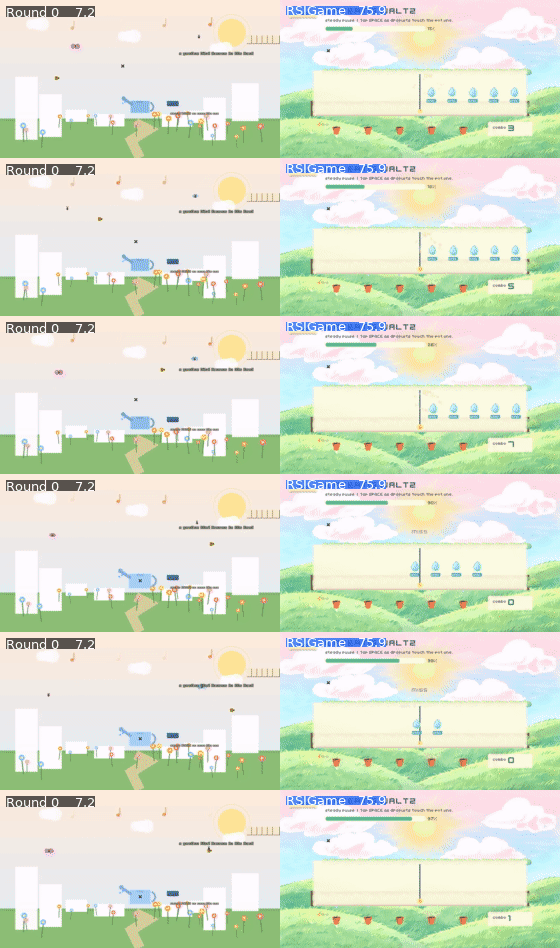
The Rhythm Garden example moves from 7.2 to 75.9 over 30 rounds according to the developers. What is useful is the testing discipline: instead of only asking AI to write more code, have it replay the game, record a specific failure and verify that the fix did not break another system. GameSlash has not reproduced the results or confirmed that a particular game is fun to play.
RSIGame is research software rather than a one-click browser game builder. Setup requires development tools, model access and the project-specific evaluation environment. The public TableArtifacts dataset includes base games, scored builds and judge records, but excludes intermediate rounds and recordings. The README still lists the training corpus and model weights as pending. The code is under Apache 2.0.