 GAMESLASH
ReVamp shifts its October playtest to Discord over AI cloning fears
By GameSlash
Digital Sun limits ReVamp's October 29 test to a controlled Discord audience rather than open Steam access, citing fears of AI-assisted cloning before launch.
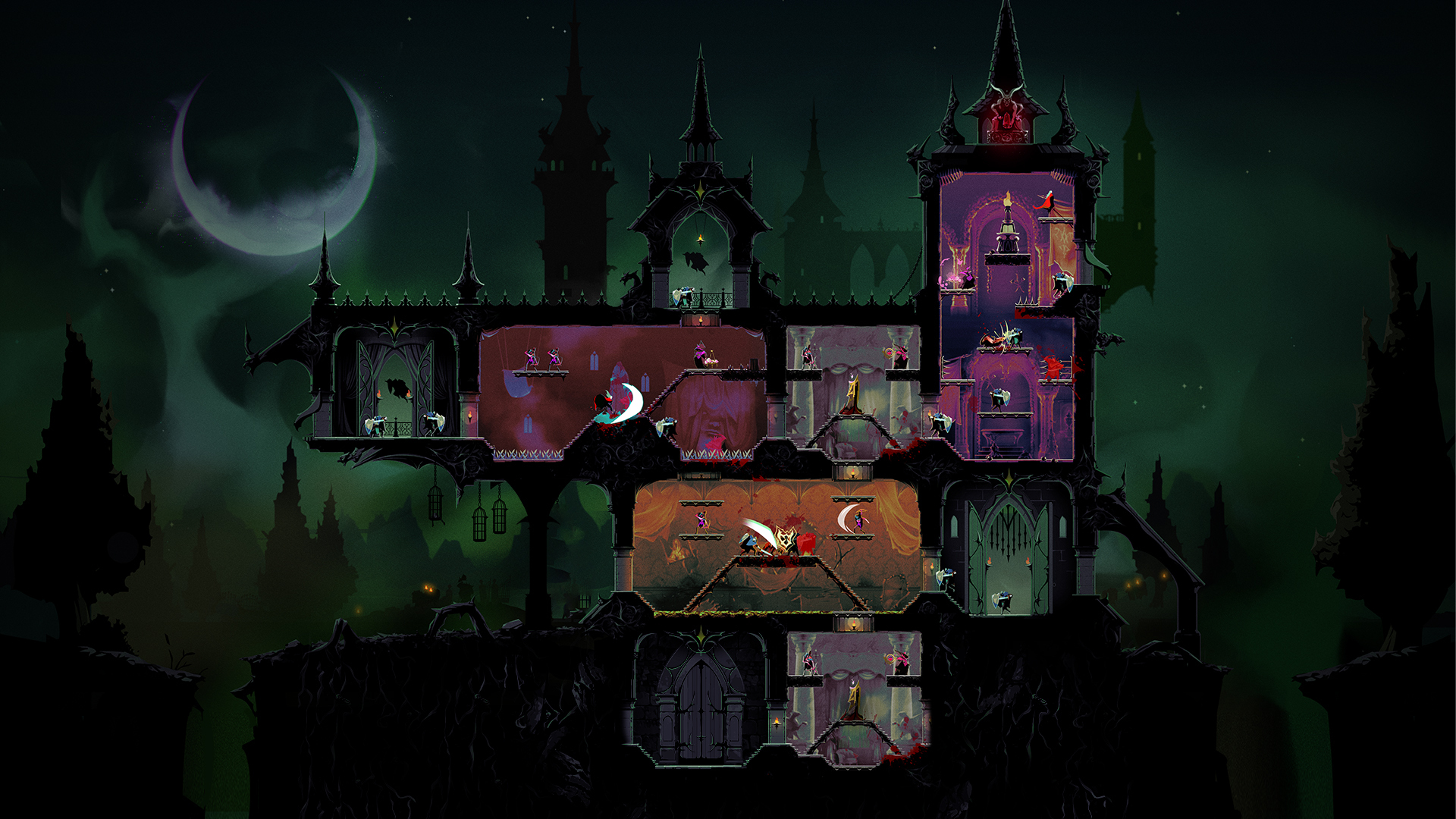
On October 19, 2026, Digital Sun, the Spanish studio behind Moonlighter, changed the first playtest plan for its upcoming castle-defense roguelite ReVamp. Rather than give large numbers of Steam applicants an open playable build, the studio will start with a smaller, controlled group through Discord on October 29. The reason it gave was concern that publicly distributed early builds might be reverse-engineered and imitated with AI-assisted tools before the original ships. Game Developer reported the decision and PC Gamer interviewed the studio. The playtest itself has not been cancelled.
Why a studio wants to keep an early build out of public circulation
Early public tests can reveal pacing, balance and compatibility issues that internal testing misses. They also expose levels, mechanics and other material while a game is unfinished. In this case, Digital Sun says it is reacting to reports of rapidly copied games; the studio did not provide evidence that anyone has cloned ReVamp itself. The relevant change is in distribution strategy, not a new in-game AI feature. The developers retain a test route for selected players and hope to open a wider public playtest around January 2027, but that timing is an aspiration rather than a confirmed date.
What is ReVamp, and why does the timing matter?
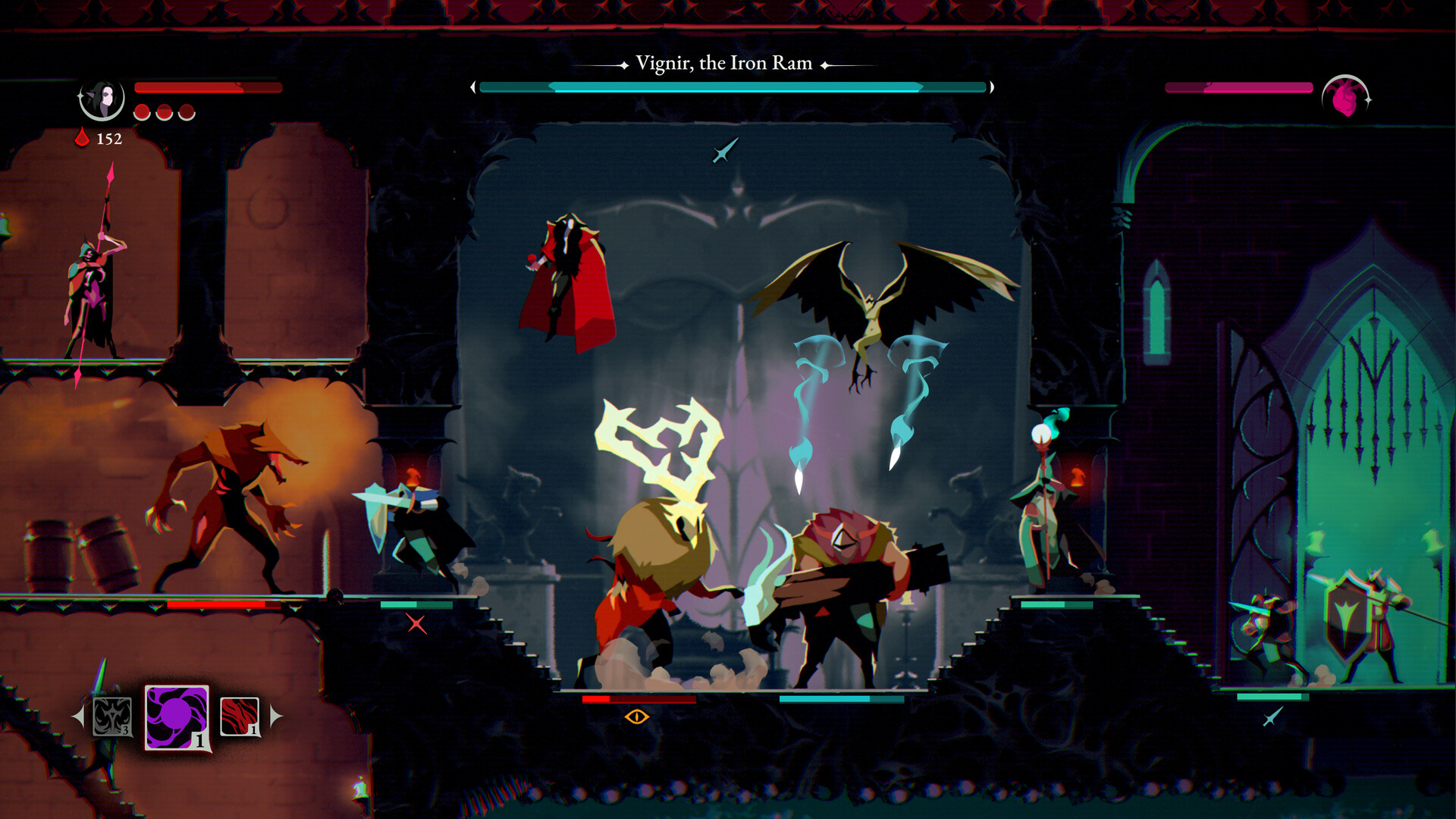
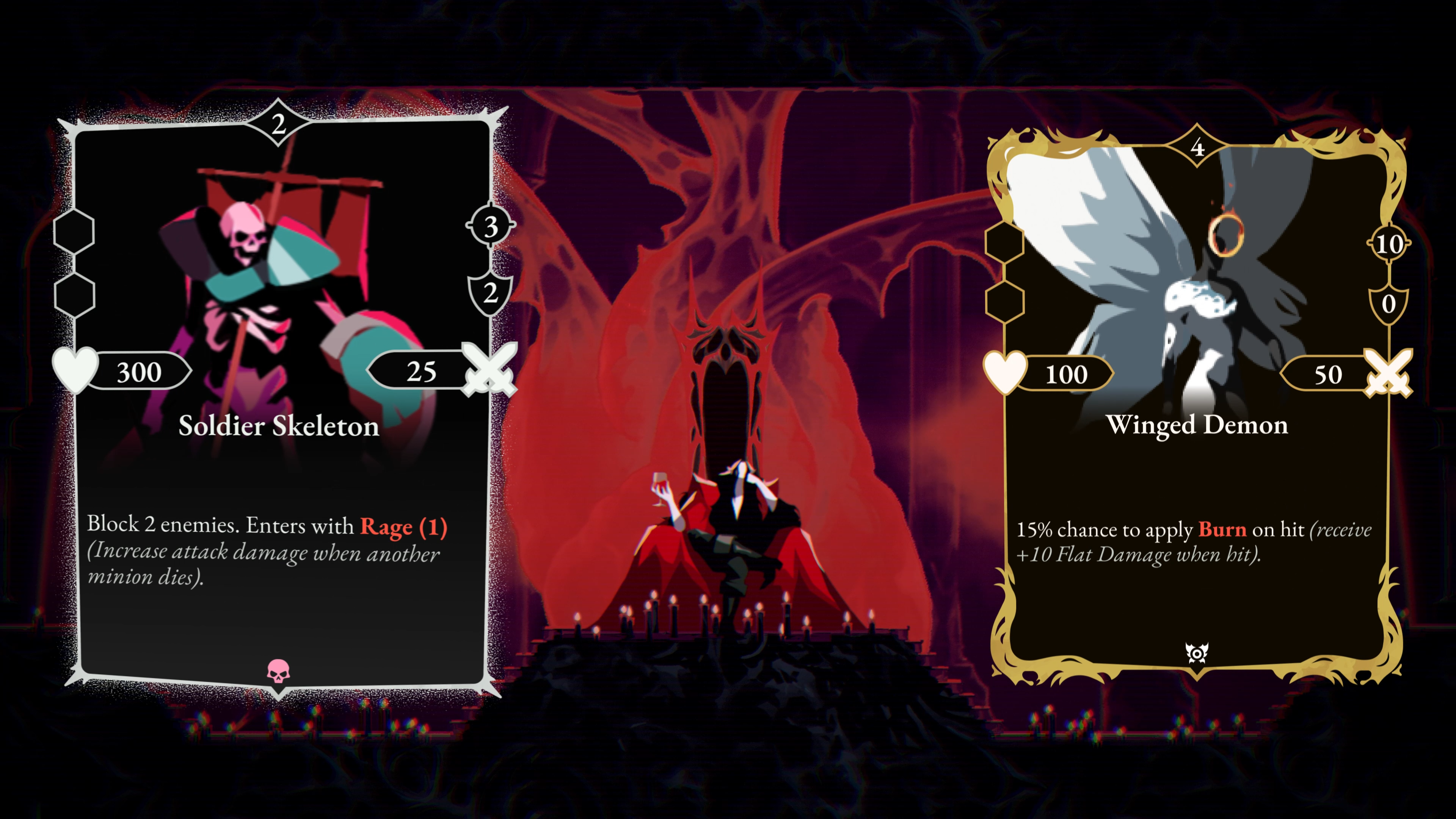
ReVamp combines room-by-room castle layout with roguelite combat: players rule as Dracula, place traps and monster squads such as skeletons and harpies, and personally intervene when attackers break through. Blood earned in sieges fuels upgrades between runs. The studio previously announced a planned March 25, 2027 release through its Moonlighter community, giving context to its concern about sharing a build months ahead of launch. The Steam store page remains a product and access-request page; it does not prove that the public playtest is now available.
The wider issue: discovery and feedback versus imitation risk
Digital Sun is not alone in raising this concern. Earlier on October 16, Alliance Arts said in a separate official Steam announcement that it would cancel the October 19 public demo of Drunken Goddess Reflux and use a limited closed play session instead. Alliance Arts cited both difficulty enforcing footage-sharing restrictions and fear that AI or other tools could enable imitation ahead of launch. These are the companies' stated risk assessments, not independent proof that AI piracy or code theft occurred in either game.
For independent developers, the practical question is how to gather broad, representative feedback without exposing work they believe could be copied before release. Invitation-only tests can reduce the audience and ease supervision, but may also narrow feedback and visibility. GameSlash has not tested ReVamp, verified any supposed clone, or inspected the closed-build security. Sources: Digital Sun's public studio account, Game Developer, PC Gamer and Steam.