 GAMESLASH
Agent Sprite Forge connects AI sprites and maps to playable Godot and Unity examples
By GameSlash
A creator-tool tour of Agent Sprite Forge's Godot layered maps, Unity prototype, AI sprite generation and local cleanup workflows.
Creator workflow spotlight: Agent Sprite Forge connects AI-generated 2D sprites, maps and effects to editable Godot or Unity game prototypes. Its public README documents actual example projects, not just illustration mockups. This is a practical look at the existing tool; its version 0.4 section should not be mistaken for an October 23 release.
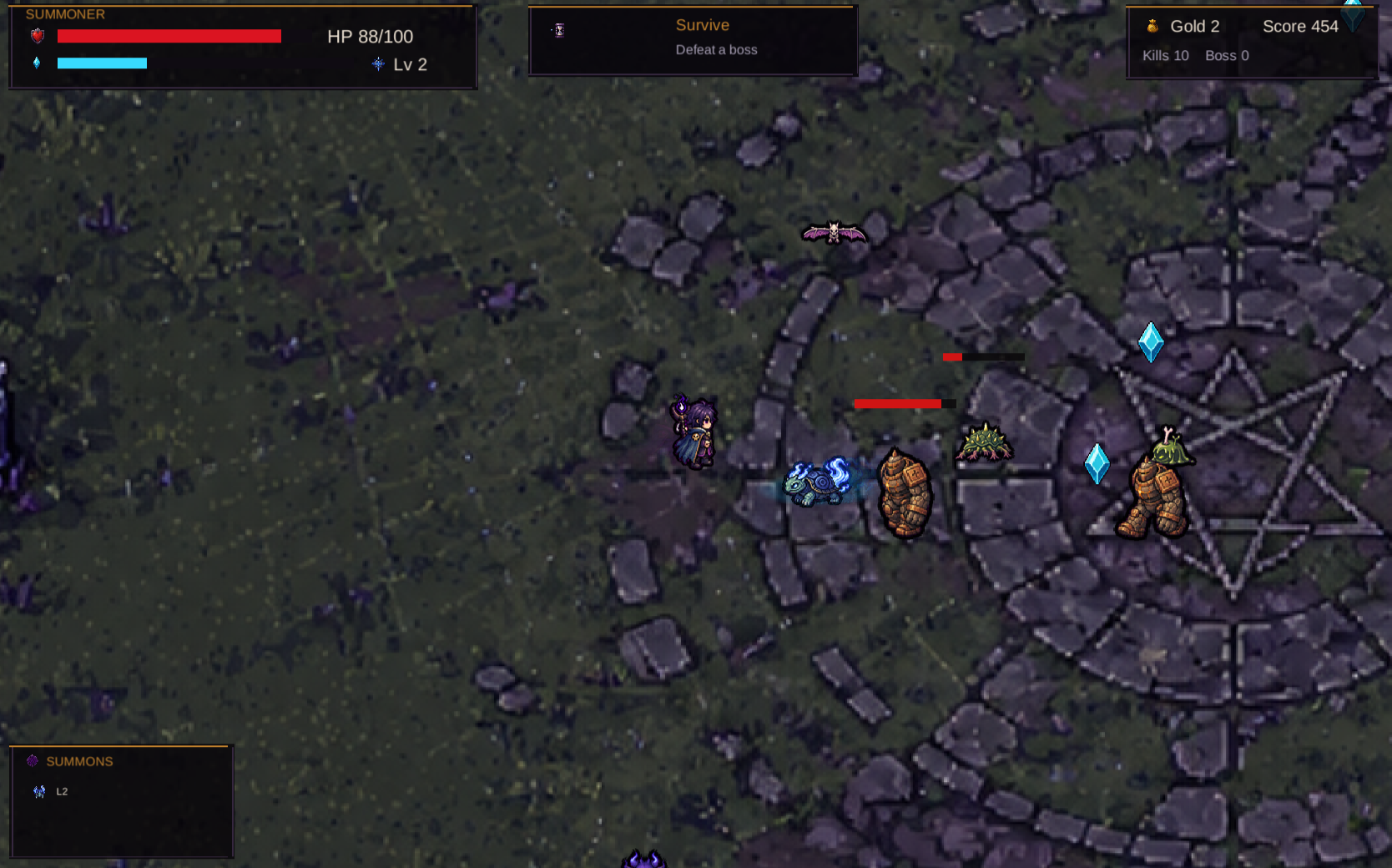
From generated artwork to a running scene
The repository's showcase describes a Unity WebGL survivors-style prototype with generated map art, characters, summon and evolution sprites, monsters, pickups, effects and a level-up loop. Separately, a Godot tower-defense example assembles map props, tower slots, enemy routes, bosses and basic tower placement and combat. These examples illustrate the additional wiring needed after creating a sprite sheet.
The core skills are `generate2dsprite` for characters, spell effects and directional animation and `generate2dmap` for layered maps, prop packs and collision/trigger zones. The pipeline combines model-generated visuals with local extraction and validation scripts. A generated asset is not a verified gameplay feature until the engine project runs.
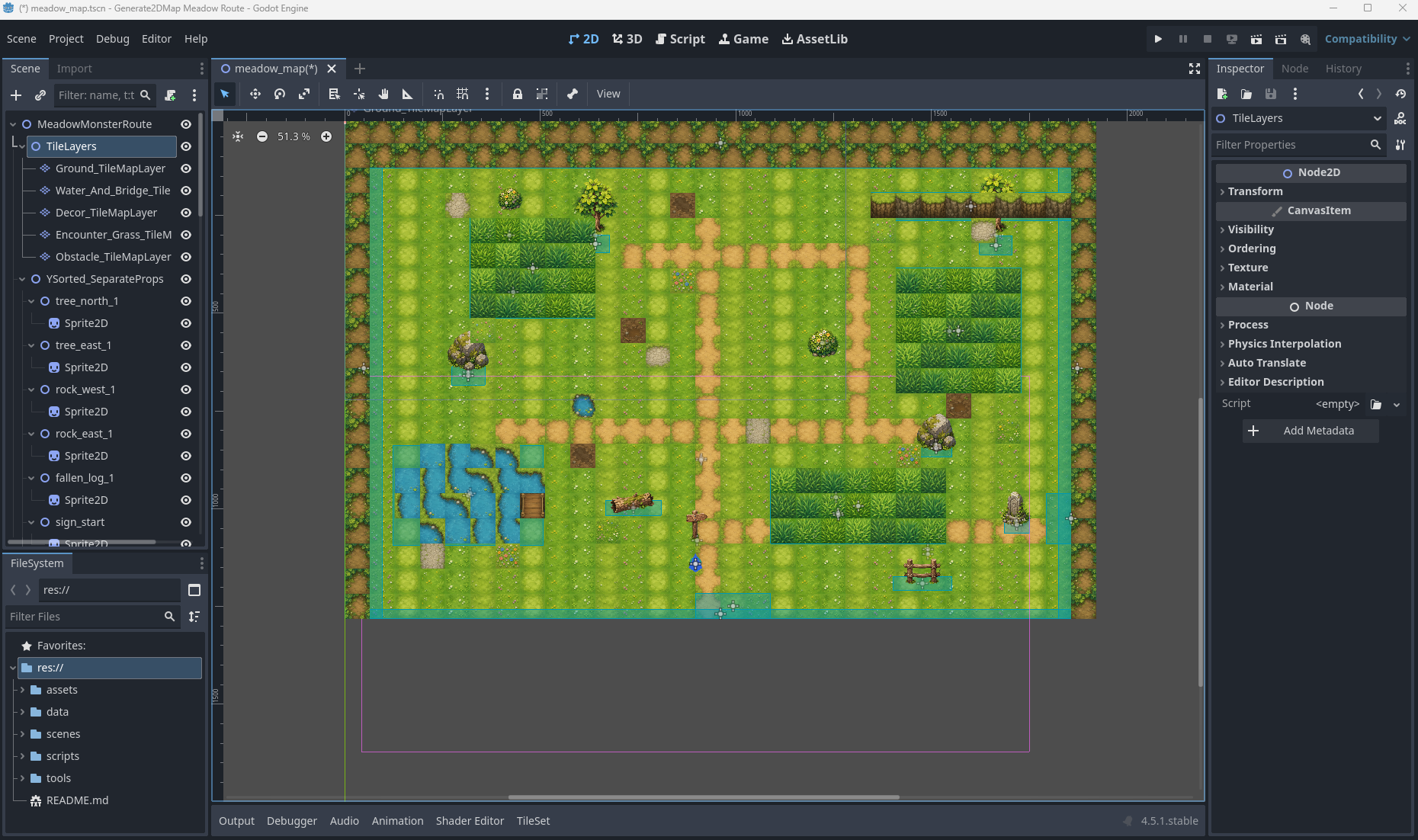
Why game creators may use it
Instead of asking a general-purpose image model for unrelated art files, a creator can drive a structured pipeline for sprites, transparent props, tilemaps, collisions and an engine handoff. The Godot example uses `TileMapLayer`, independent `Sprite2D` objects and `Area2D` zones; this is more directly reusable by game developers than a flat concept illustration.
The separate `video2dsprite` workflow requires Grok Build's image-to-video tooling, according to the README; Codex can handle the ordinary image and map workflows but must not pretend it can run that native video step without access. The illustrations are publisher examples and are not an independent compatibility or cost benchmark.