 GAMESLASH
Fix inconsistent AI pixel-art sprites with real pixel grids and aligned frames
By GameSlash
See creator-made pirate sprite sheets and a side-by-side pixel comparison, then learn why grid snapping, frame recovery and alignment matter.
AI-generated pixel-art characters can look convincing at first but reveal uneven pixel sizes when zoomed in. Frames may also cut off a character's arms or make it slide while animating. The creator of AI Pixel-Snapped Game Sprites documents a separate cleanup workflow with pirate and skeleton examples. This is an evergreen technical case study, not an announcement of an October 26 launch.
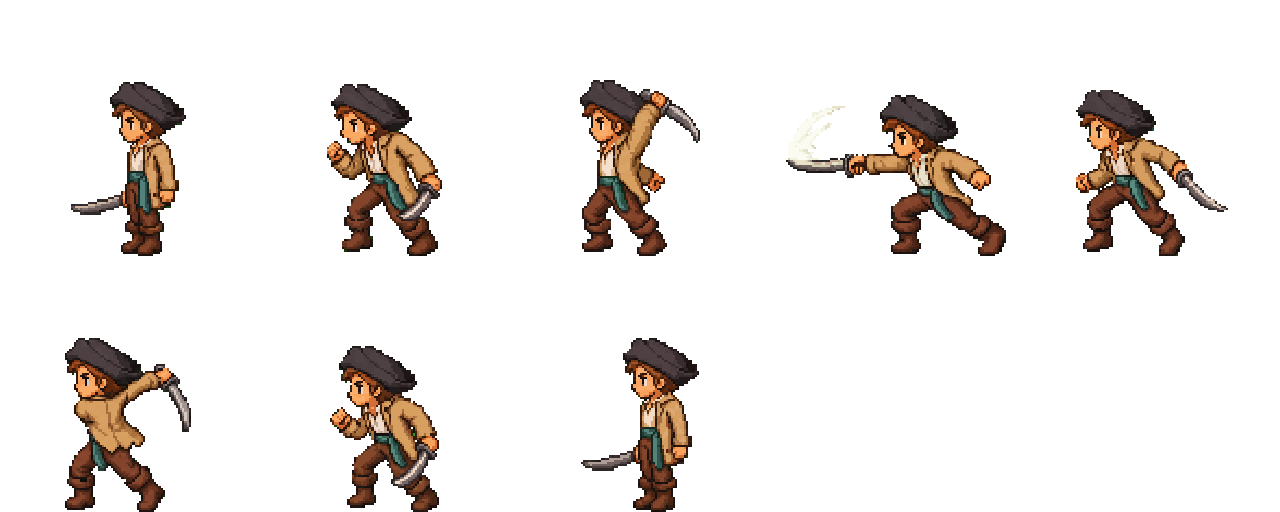
Why a pixel-art-looking AI picture may not work in a game
The project calls inconsistent pixel sizes 'mixels'. A character might appear blocky, but the blocks do not line up on a consistent grid; enlarging it can make edges look muddy. Separately, cutting a generated pose board into equal rectangles may slice through a sword or arm. Misaligned frame positions can then make the character bounce or slide in motion.
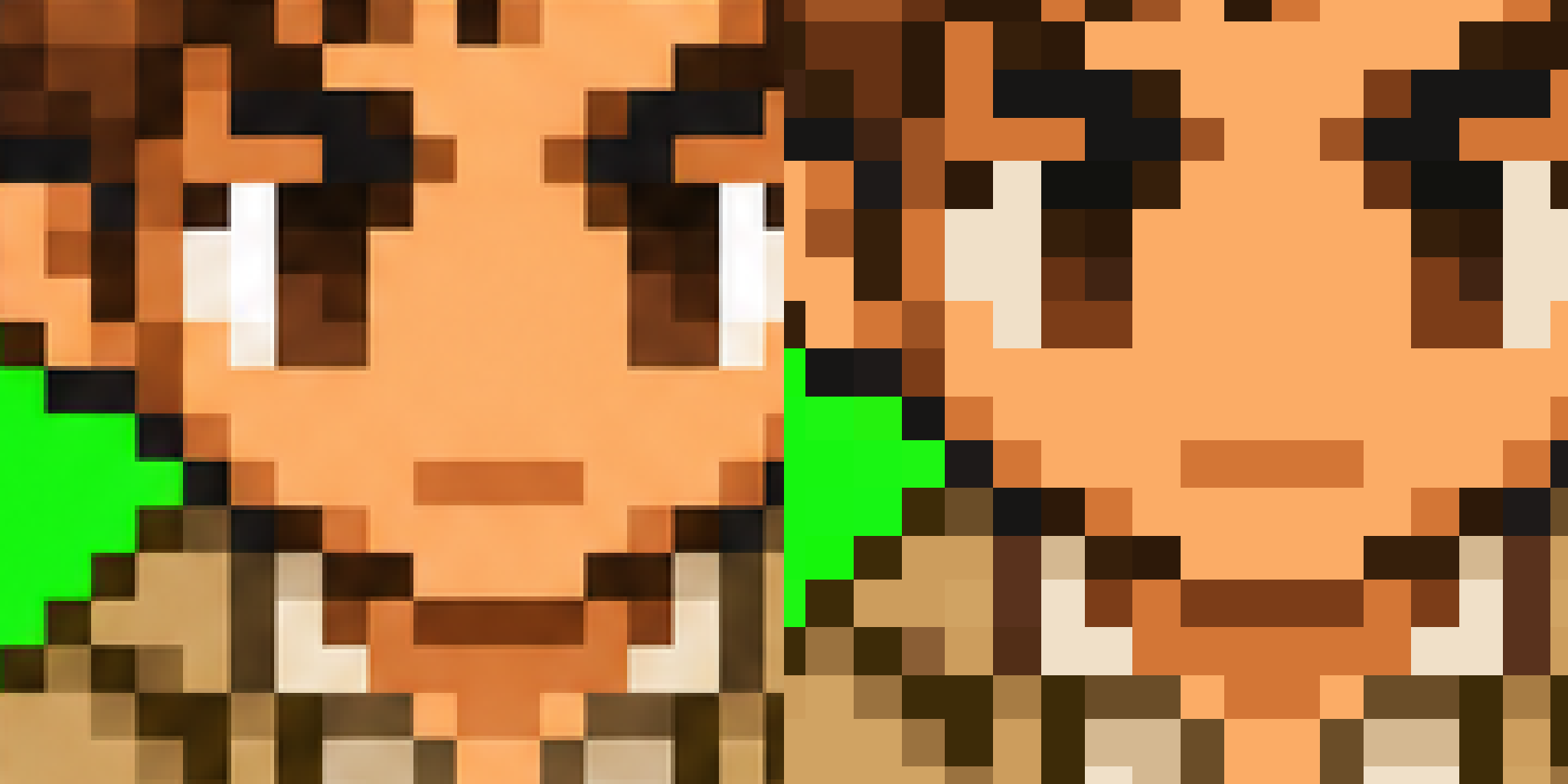
The workflow uses guides, detection and manual checking
The README pipeline first establishes a source character image, then recovers a consistent native pixel grid. It makes directional references, generates action poses, separates individual foreground characters from pose sheets, and aligns them. The author warns that naive rectangular cropping can cut into characters; selecting foreground components works better in the documented examples.
Each frame is normalized into a shared 256×256 cell with a common foot baseline. The example's final sheet is 1280×512 pixels, arranged as a five-column by two-row layout. Even after automation, the author recommends checking and sometimes adjusting the position of individual frames by one or two pixels.
What game makers can take away
This project is more about quality control after generation than getting an AI to invent a whole game. It illustrates how to inspect pixel consistency and remove unwanted frame movement before importing a sprite into a 2D game editor. The repository provides prompts, reference images, examples and final sheets for pirate and skeleton characters across several actions. It does not prove that every input sprite can be repaired automatically.
According to the original project and MIT license, its prompt templates, references and spritesheets may be reused under MIT terms. The workflow also refers to external image and video AI services; their separate terms and costs still need checking.
Image license notice
MIT License Copyright (c) 2026 Chong-U Lim Permission is hereby granted, free of charge, to any person obtaining a copy of this software and associated documentation files (the "Software"), to deal in the Software without restriction, including without limitation the rights to use, copy, modify, merge, publish, distribute, sublicense, and/or sell copies of the Software, and to permit persons to whom the Software is furnished to do so, subject to the following conditions: The above copyright notice and this permission notice shall be included in all copies or substantial portions of the Software. THE SOFTWARE IS PROVIDED "AS IS", WITHOUT WARRANTY OF ANY KIND, EXPRESS OR IMPLIED, INCLUDING BUT NOT LIMITED TO THE WARRANTIES OF MERCHANTABILITY, FITNESS FOR A PARTICULAR PURPOSE AND NONINFRINGEMENT. IN NO EVENT SHALL THE AUTHORS OR COPYRIGHT HOLDERS BE LIABLE FOR ANY CLAIM, DAMAGES OR OTHER LIABILITY, WHETHER IN AN ACTION OF CONTRACT, TORT OR OTHERWISE, ARISING FROM, OUT OF OR IN CONNECTION WITH THE SOFTWARE OR THE USE OR OTHER DEALINGS IN THE SOFTWARE.