 GAMESLASH
Gorash developer reveals AI-agent pipeline behind 692 shipped 2D game assets
By GameSlash
Ludo's Nov 3 case study details how one Godot developer used Claude Code, reference images and scripts to ship hundreds of consistent game assets.
On November 3, 2026, Ludo.ai published a new case study revealing how solo developer Morgan Vincent built Gorash, a mobile merge roguelite, with AI coding agents and a repeatable art-production pipeline. The developer's manifest attributes 692 shipped 2D files and 141 3D models originating from Ludo-generated concepts. These are developer-reported production figures, not an independent audit, and the game was already available on Android when the case study appeared.
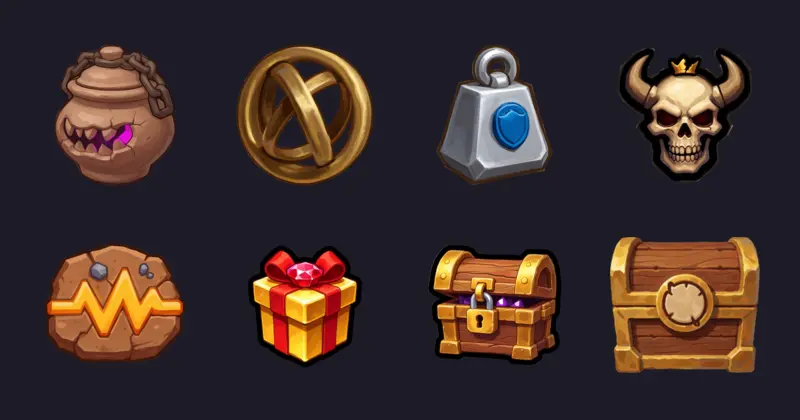
A measurable AI asset pipeline, not a one-prompt game
Vincent says that between September 21 and November 1 he made 1,201 Ludo requests, producing roughly 2,000 images while spending about 1,030 credits. A manifest traces 692 shipped 2D files to Ludo, which he estimates as around 60% of the game's 2D art. Another 141 shipped 3D models began as Ludo concept images. Other tools and the developer's own work contributed additional game art, audio, animation and design.
The Ludo Image Generator's Generate with Style mode accounted for 852 requests. The developer used one approved reference per asset family rather than prompting for unrelated icons, typically generating two candidates for each item, reviewing 20–40 at a time and letting scripts trim, center, recolor or pack the images into Godot-ready files.
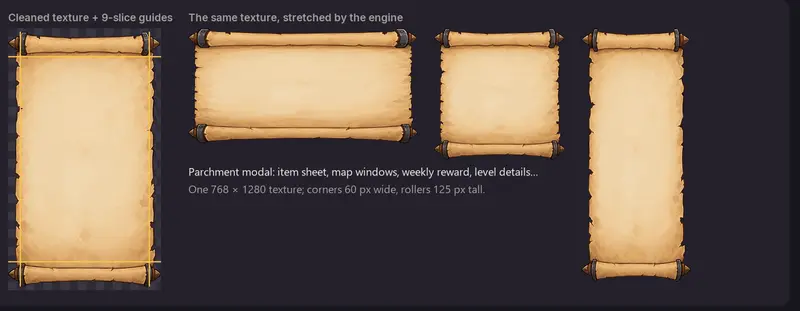
How one generated panel became a complete interface
One particularly reproducible technique is nine-slice scaling. The developer cleans one generated parchment frame, divides it into nine regions and allows the engine to stretch the center while preserving the corners. He applies this to various dialog panels and rarity frames; color variants come from scripts, not entirely new AI generations. The result highlights where ordinary engine design and asset cleanup still matter.
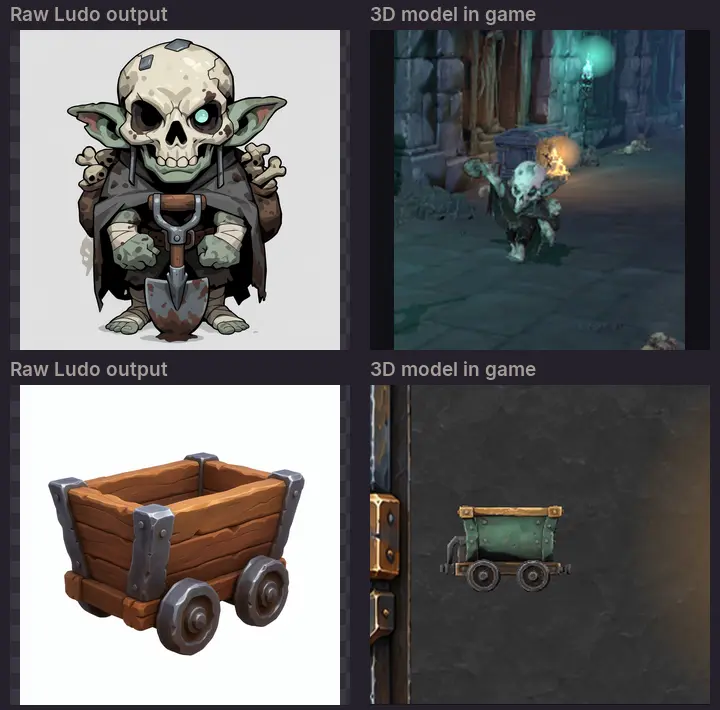
Claude Code coordinates batches while the creator reviews
According to the November 3 post, most generations now run through the Ludo API from Claude Code agents, while Ludo MCP supplies parameters and documentation. Other scripts transform files and Blender helps prepare 3D models from generated concept art. Vincent still tests the game himself and adjusts gameplay; the case study is evidence of assisted production rather than autonomous quality assurance.
Gorash is a merge roguelite in Godot 4: players drop and combine pieces to attack, shield, heal or summon, choose branching paths and play as Vanguard, Warlock or Ranger. Ludo lists it as free on Android, without ads and with optional in-app purchases; at the time of its November 3 case study, iOS was awaiting review and Steam was planned. The original launch date is not established here, so this report concerns the newly published development breakdown, not a claim that the game launched November 3.
Sources: Ludo.ai's November 3, 2026 developer case study; Gorash's official Google Play listing.