 GAMESLASH
Have a game prop image but need an editable 3D model? img2threejs rebuilds it as code
By GameSlash
Explore how img2threejs turns reference pictures into inspectable Three.js geometry, with real vehicle and chest examples—and why it is not instant Unity/Godot export.
You have a picture of a vehicle or treasure chest for your game, but you need a 3D model you can rotate, inspect and adjust. img2threejs explores a different path from a one-click image-to-mesh generator: it rebuilds the reference as editable Three.js code, allowing developers to refine geometry and animation behavior rather than receiving only a closed asset.
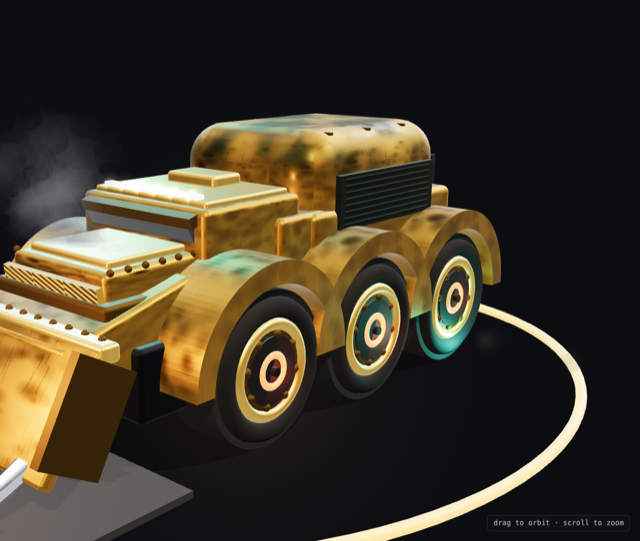
What does it create?
The project documents a workflow that studies a reference image, plans the object's shape and materials, writes a TypeScript model factory, checks its output, and displays the result as an interactive 3D scene in the browser. Its output is editable Three.js code with geometry and material definitions, not a scanned original model or an automatic export of a finished Unity/Godot project.
The official gallery includes a gold six-wheel vehicle, treasure chest and a range of other examples. You can orbit the models and inspect their structure through the live showcase. That is useful when prototyping a game prop that must be revised repeatedly, but every reference still needs review and iteration.
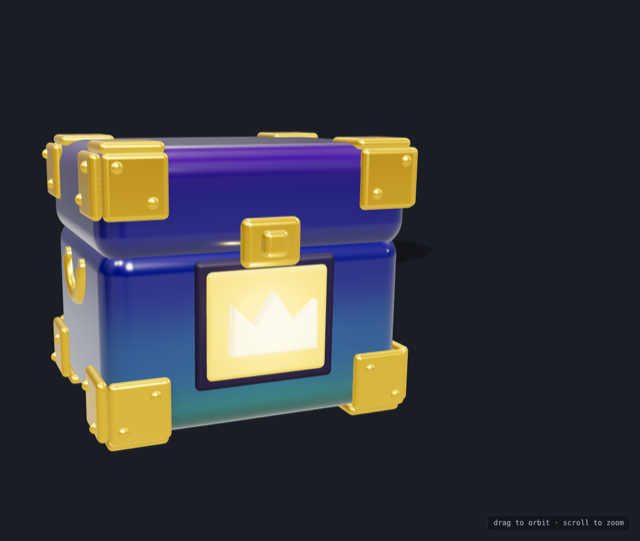
Can beginners drop the result straight into a game?
The gallery offers 3D asset exports, including documented GLB/glTF options, as well as source-code downloads. What transfers depends on the model and format: procedural shaders, effects and interaction logic may remain in the Three.js source. Check the chosen export in Unity or Godot rather than assuming the whole browser scene transfers unchanged. The workflow still needs reference selection, coding tools and quality checks; GameSlash has not tested the exports. See export notes.
For an initial experiment, open the official repository, follow its workflow and inspect the War-Hauler demo before adapting the source to your own prop. The core software is released under Apache License 2.0; this does not grant rights to every reference or showcase artwork. Check those rights separately before reusing assets. This is a technical overview, not a claim that the project launched on October 28, 2026.