 GAMESLASH
Need mountains for your 3D game? LiteTerrain builds landscapes without modeling every hill
By GameSlash
LiteTerrain's October 23 Godot listing shows seed-generated green hills, deserts and salt flats. See its AI-assisted development, new 2.0 workflow and upgrade limits.
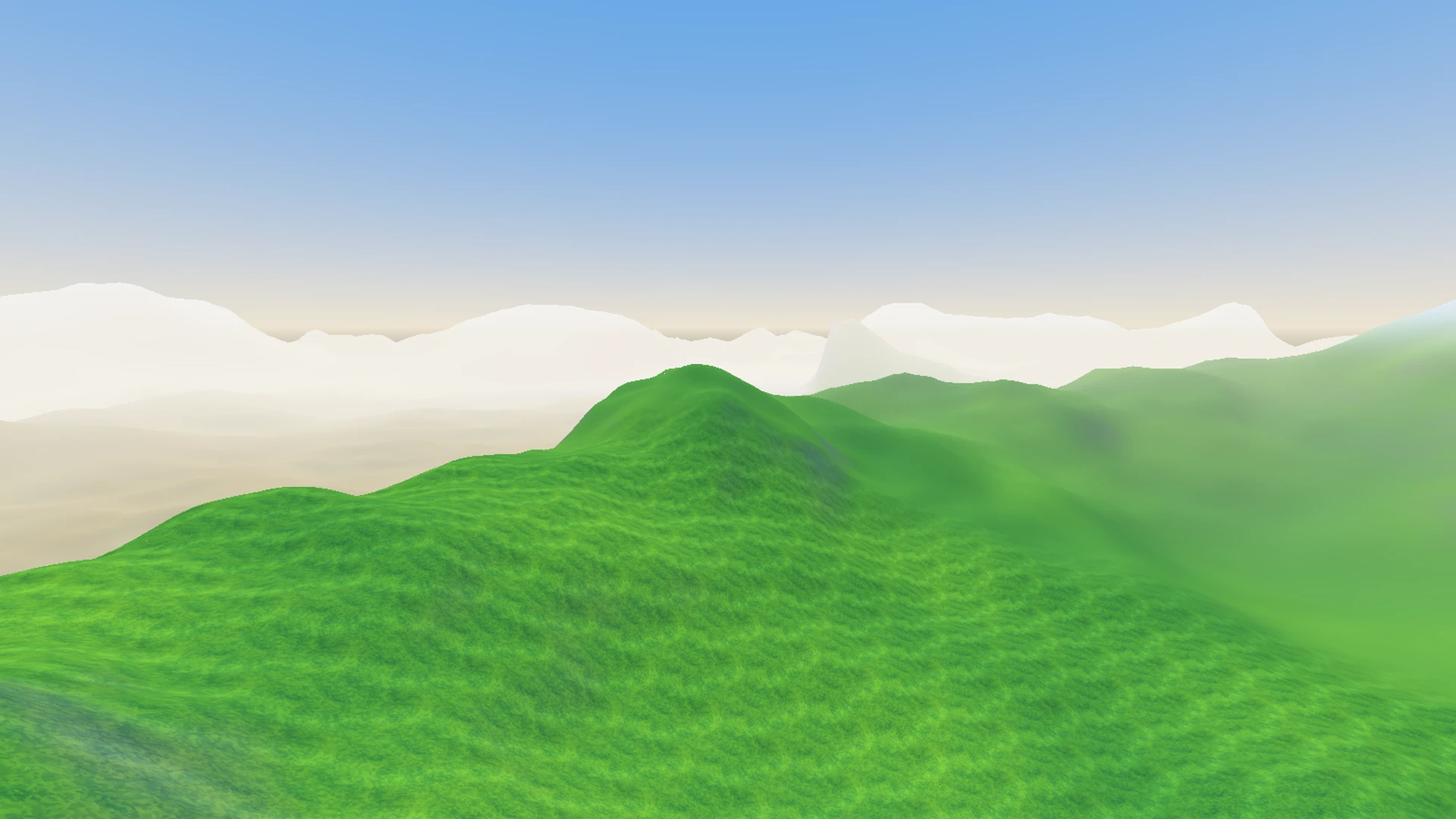
Building an open 3D game world is not just about drawing one mountain. You need roads, hills and terrain that stays playable as the character moves. LiteTerrain is a Godot add-on designed to generate large terrain from a seed, without requiring a hand-painted heightmap. Its official store listing was updated on October 23, 2026.
The creator explicitly says AI assisted with the GDScript and shader code, which they reviewed. That describes how this tool was developed: LiteTerrain itself uses procedural terrain generation, not an LLM creating the environment while your game is running. See the Asset Store listing.
One node, different kinds of ground
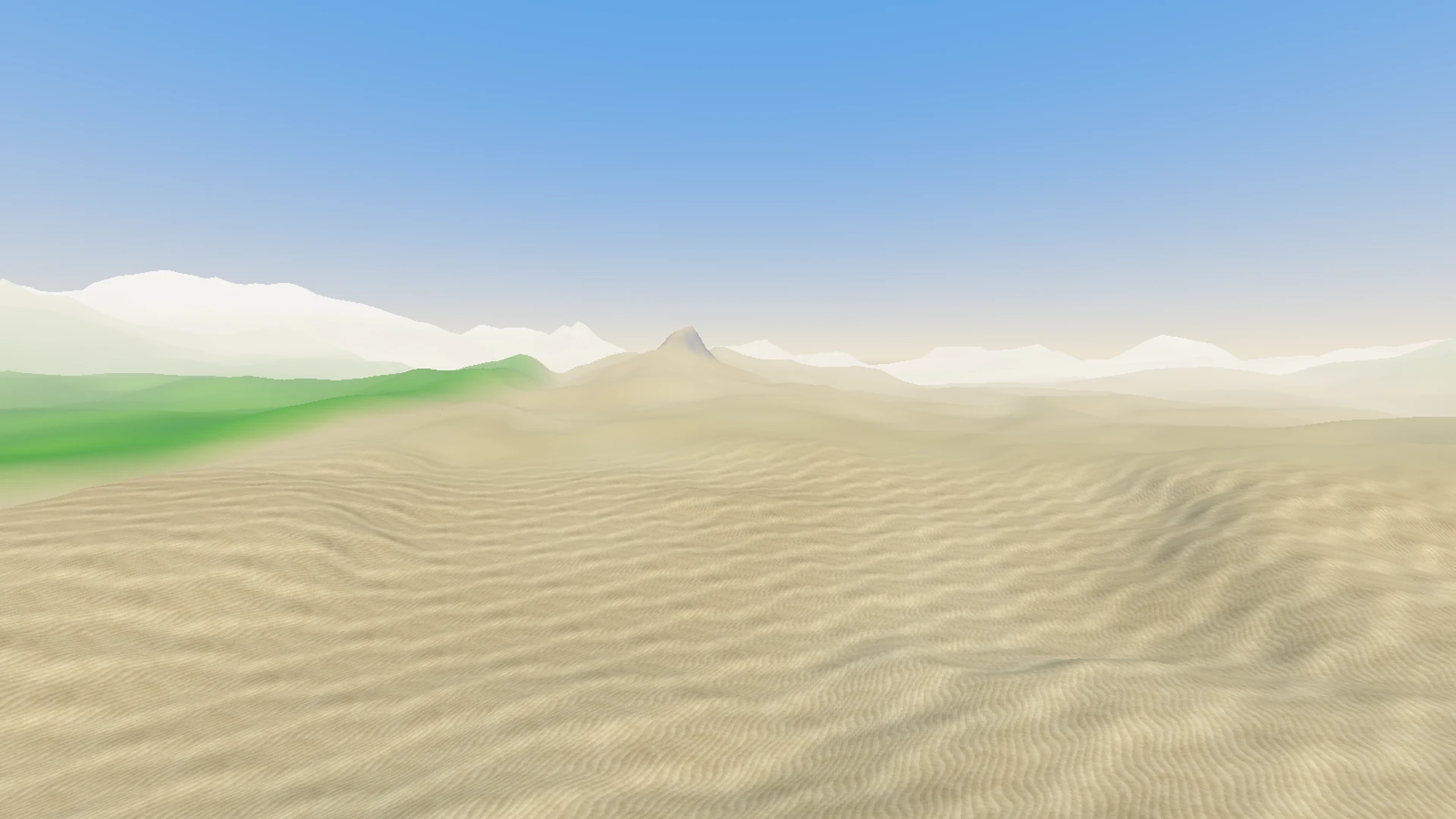
The developer describes five configurable biomes: desert, meadow, salt flats, canyon and mountains. You add a ChunkTerrain node in a 3D scene and choose a seed number; the same seed generates the same terrain again. A 'Build in scene' action lets you preview it in the editor.
For a vibe-coded prototype, this could mean getting a walkable background into Godot without hand-modeling every hill. It does not automatically place buildings, enemies or quests: those still need their own game systems.
Why the new 2.0 approach matters
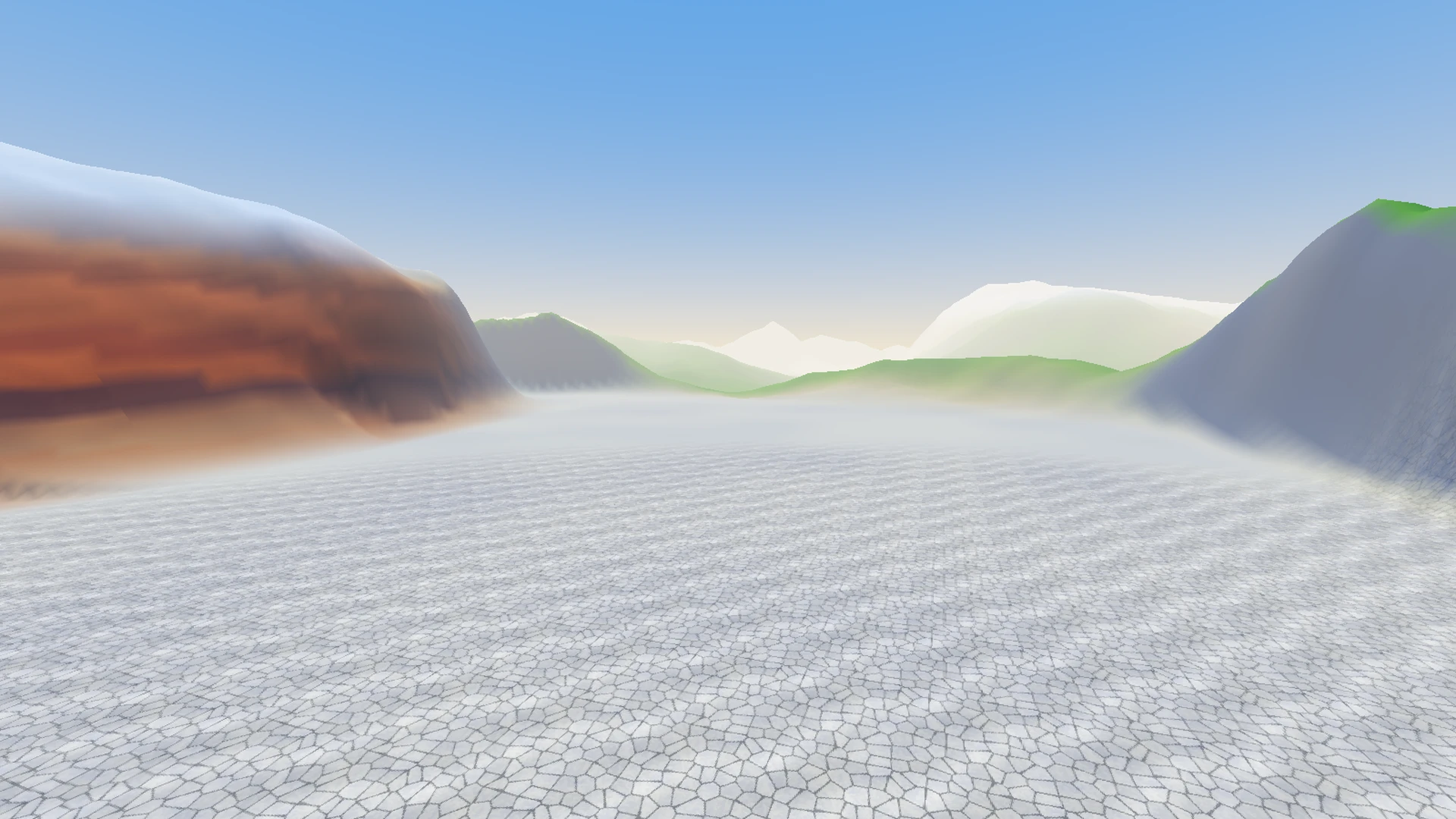
The October 23 listing explains that the 2.0 design replaces an older heightmap-based workflow with terrain generated from a seed as needed. It also streams collision surfaces around moving characters and uses simpler distant terrain to save work on lower-powered devices. The author cites development and measurement on an Adreno 610 mobile GPU, but GameSlash has not independently benchmarked performance.
There is an important upgrade warning: the former 1.x LiteTerrain sculpting brush, old node and generate/bake buttons are not part of this redesigned 2.0 workflow. Existing 1.x scenes need rebuilding rather than a drop-in upgrade.
How to try it—and who it suits
The store lists a minimum of Godot 4.6.2 and an MIT license, but also labels the downloadable package unstable despite its own version note saying 'Stable'. Start with an empty 3D scene, add the plugin's node, set a seed, preview the terrain and test movement/collision before moving an existing project over.
This can help AI-assisted game creators who already use Godot to build explorable 3D levels. It is not a website where one text prompt produces a finished game; you still need to set up the project and decide how the level plays. Sources: official release listing and project repository.