 GAMESLASH
Chain of Command turns one order into ten robot puzzles, with AI-tested level design
By GameSlash
Released Nov 15 for Epic AI MegaJam, Chain of Command uses shared robot orders and cable cuts. Its developer details a Python solver and Unreal MCP workflow.
Indie developer Imad (imadCh) released Chain of Command for Windows during the 2026 Epic AI MegaJam on November 15. Rather than a routine AI-assisted upload, this ten-level puzzle makes the theme 'Director's Cut' a rule: every connected robot hears the same order, but a robot whose cable is cut keeps repeating the last direction it heard. Choosing when to disconnect each one is the central challenge.
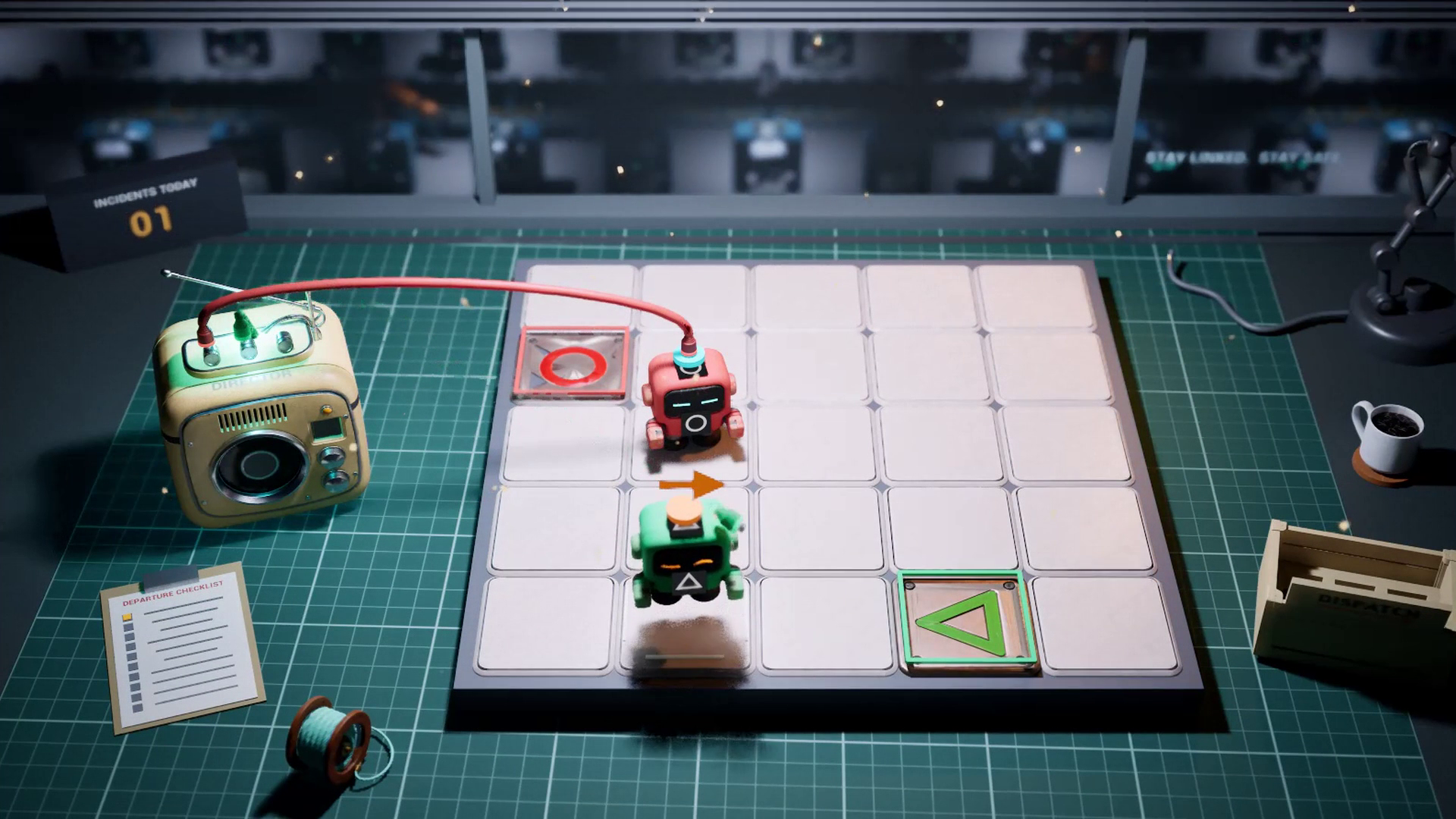
One command, three robots, ten puzzles
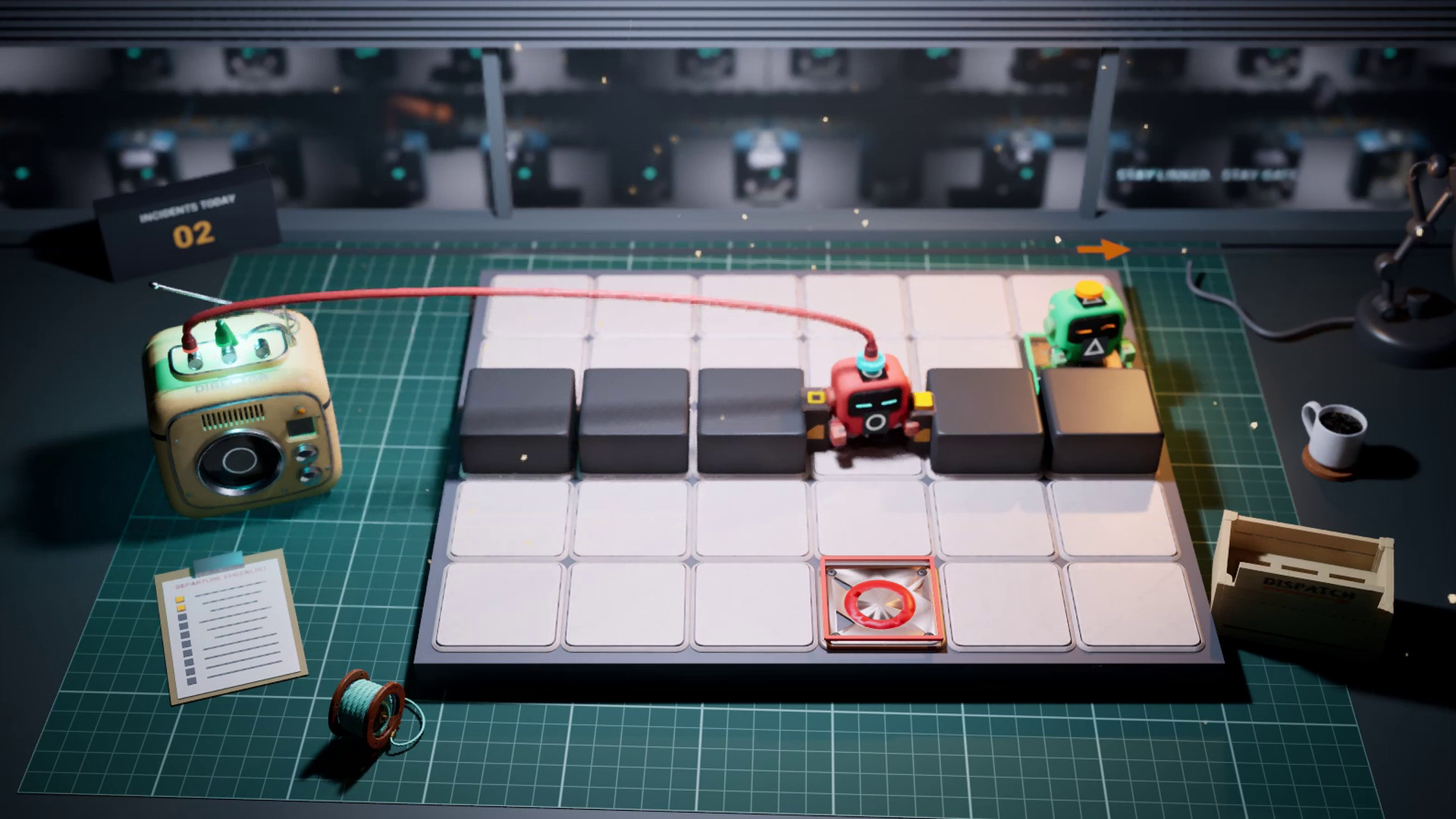
Players issue directions to connected robots together, use walls and signposts to separate their paths, and cut cables at strategic moments. Later boards add crossed wires and charging docks. The developer describes about 15–20 minutes of play, move previews, undo, hints and all ten levels available in the jam build; the download is for Windows, not a browser game.
The reusable AI workflow: solve first, build second
In a November 15 development report, Imad says Claude and Codex helped build the Unreal Engine 5.9 Blueprint project through Unreal MCP. A Python breadth-first rules solver checked each planned solution and its minimum cable cuts before levels were implemented; a separate generator explored boards and rejected puzzles with too many easy solutions. Agents also captured editor screenshots, while the developer played packaged builds and requested corrections. These are the creator's documented methods, not independent GameSlash test results.
The practical takeaway for agent-built puzzle games is to keep a reference model of the rules outside the engine, test proposed levels against it, then verify the actual playable build. Meshy supplied several 3D models, and ElevenLabs supplied voices and effects, but this is not evidence that the whole game was built without human direction.
Original game, free Windows download and screenshots: Chain of Command on itch.io
Dated development diary, tools, mistakes and level solver: Chain of Command development log