 GAMESLASH
Cookiesaner developer shares six months of Claude Code lessons and nearly 2,000 Godot tests
By GameSlash
A solo developer explains why small tested changes, separate Claude Code sessions and rigged sprites worked better for a playable Godot game.
On November 23, 2026, the solo developer of Cookiesaner shared a six-month development retrospective in r/VibeCodeCamp. The Godot 4 project uses Claude Code for programming, but the creator makes the design decisions. The developer says almost 2,000 automated tests now run with every change, after earlier fixes repeatedly broke other parts of the game.
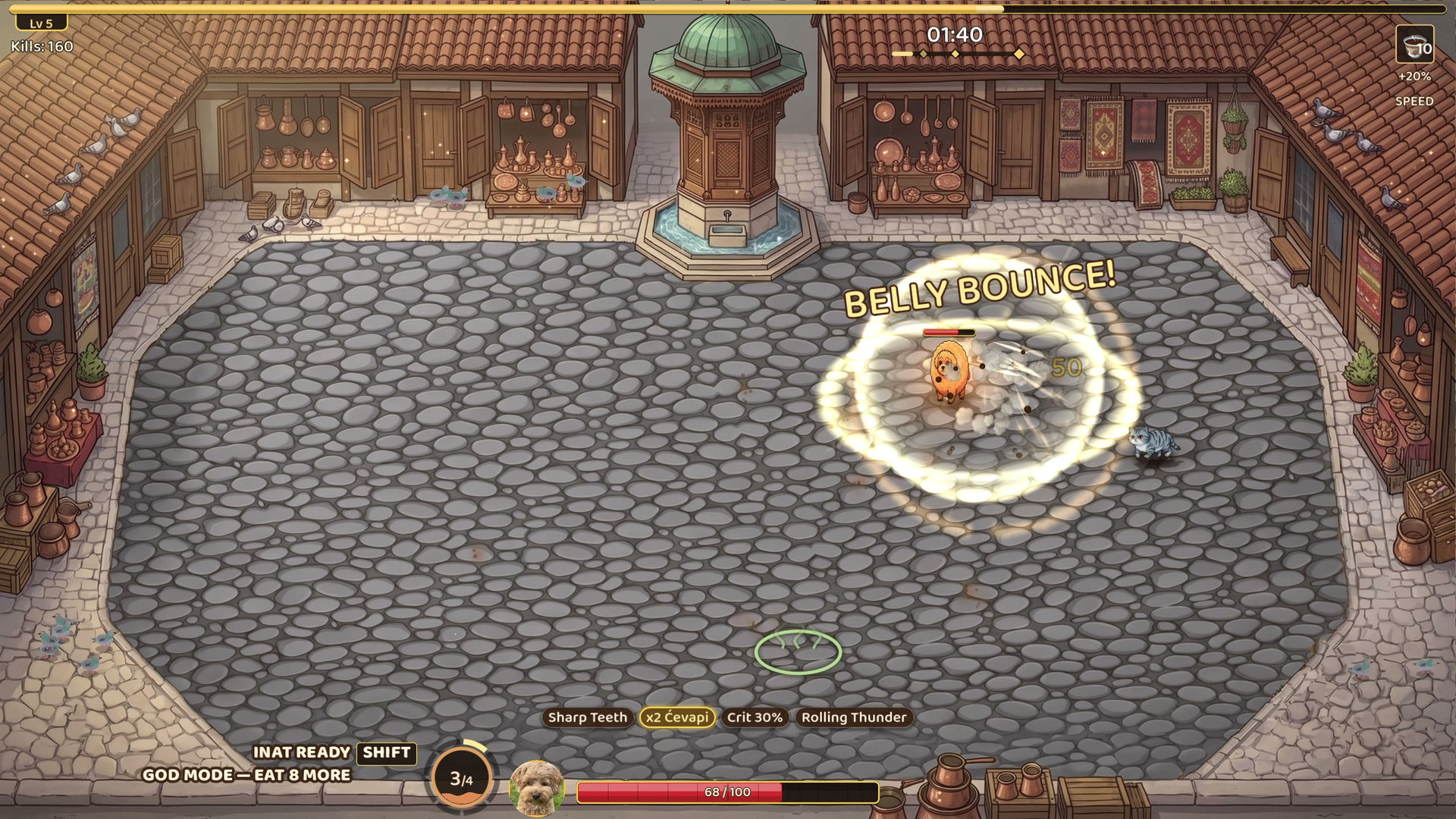
Give each Claude Code session a job
The developer describes running several Claude Code sessions concurrently, assigning one job to each and reserving another session for planning and checking the work. They found small, tested changes more dependable than asking an agent to implement an entire feature in one go. The reported test count is the creator’s own figure, not an independently audited benchmark.
A practical adaptation is to split a feature into discrete changes, write regression tests for the behavior you want to preserve, and review each change before merging it. For a survivor-like game, that could mean testing damage, movement and stage transitions separately. These are suggested applications of the developer’s approach, not a list of their actual test cases.
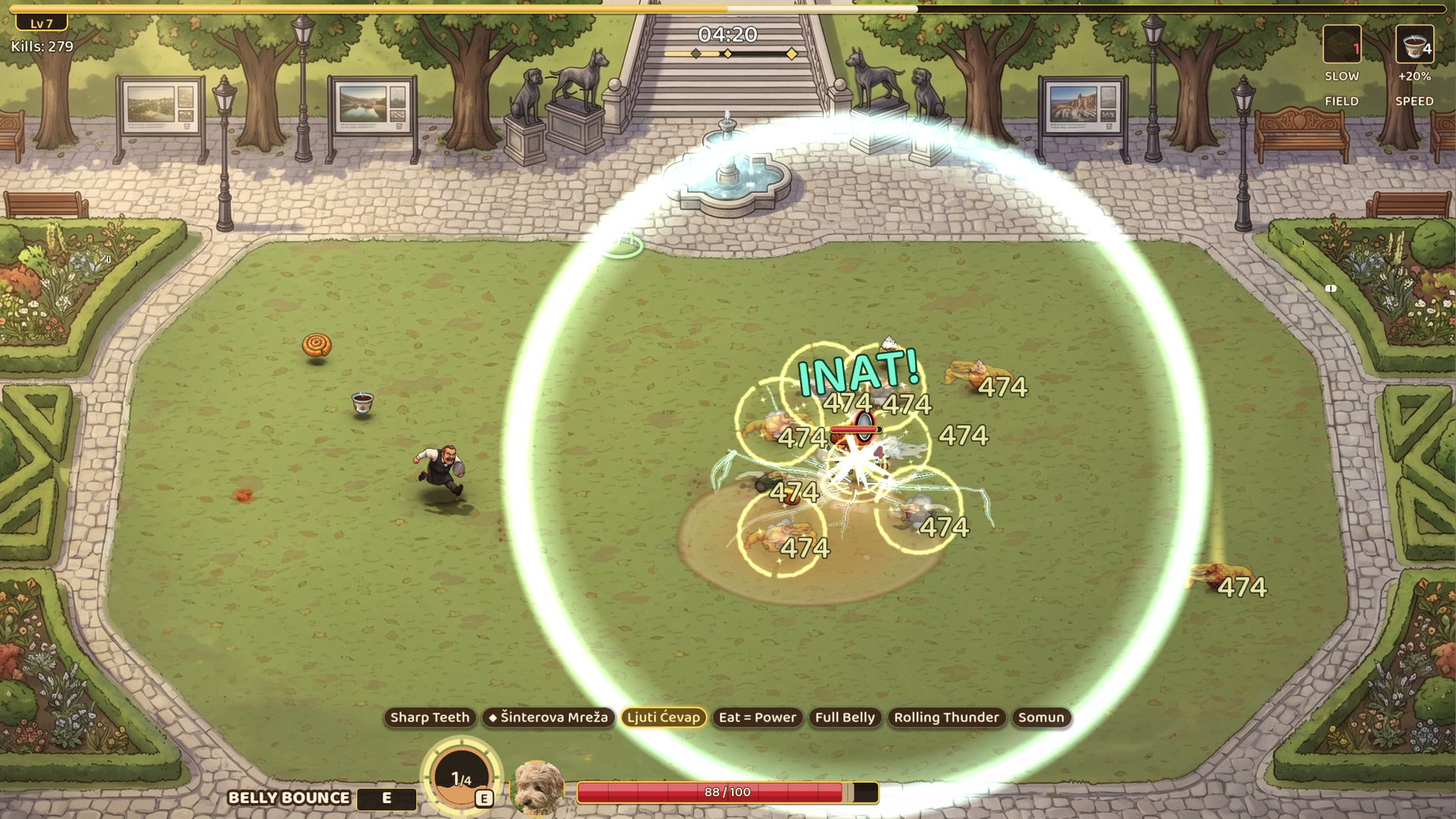
Why rigging beat AI-generated walking frames
The creator also describes removing sprite backgrounds and abandoning separately generated walking frames because their appearance did not stay consistent. Rigging a single drawing worked better for this project. The art uses AI tools, the music uses Suno, and the dog's barks are recordings of the real Cookie. The official press kit confirms that the assets are fixed before shipping rather than generated during play.
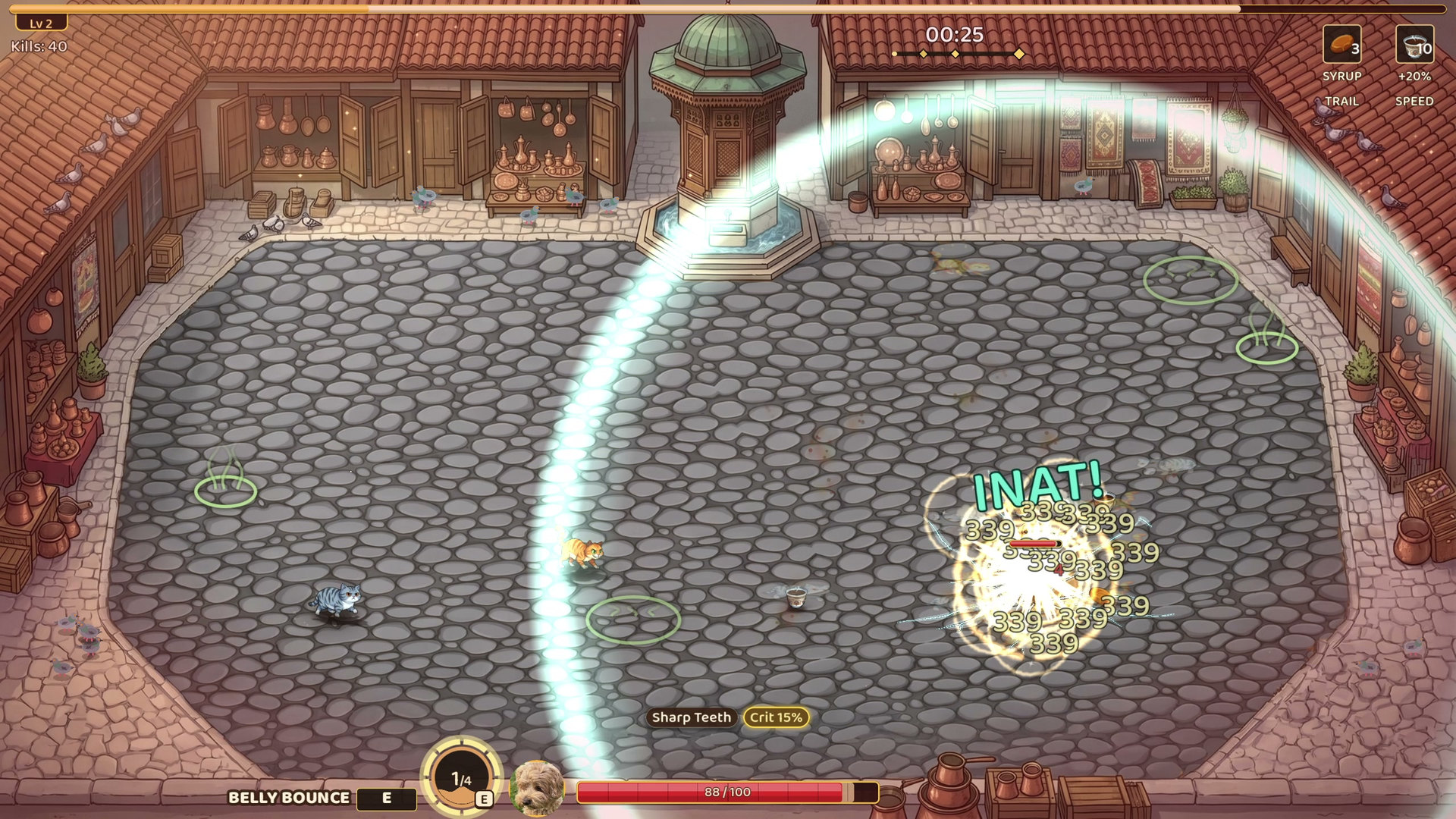
Try the game and see the design
Cookiesaner is a bullet-heaven game where the dog grows as she eats, gains attack power but moves more slowly, and eventually rolls through enemies in God Mode. The free demo was released on October 27, not this week; the new event is the November development retrospective. Try the Steam demo or the browser version on itch.io (around 140 MB loads when started). The full game has no announced Early Access date.