 GAMESLASH
Demon of the Crown dev fits voice AI and Godot into 8GB VRAM; cuts a 2.5s freeze to 7ms
By GameSlash
A November 21 Godot case study details local Whisper, llama.cpp and speech synthesis, measured VRAM allocation, faster commands and a fixed HTTP freeze.
On November 21, 2026, Japanese indie developer ringo7pie published a measured development breakdown of Demon of the Crown, an alpha dungeon game made in Godot 4.7 where the player speaks commands to companions. Instead of sending speech, dialogue and generated replies to cloud APIs, the creator runs the full pipeline on the player's PC, including an RTX 3070 with 8 GB VRAM. The practical news is the newly shared profiling, routing rules and a real bug fix—not merely a claim that an NPC uses AI. Original Japanese developer report.
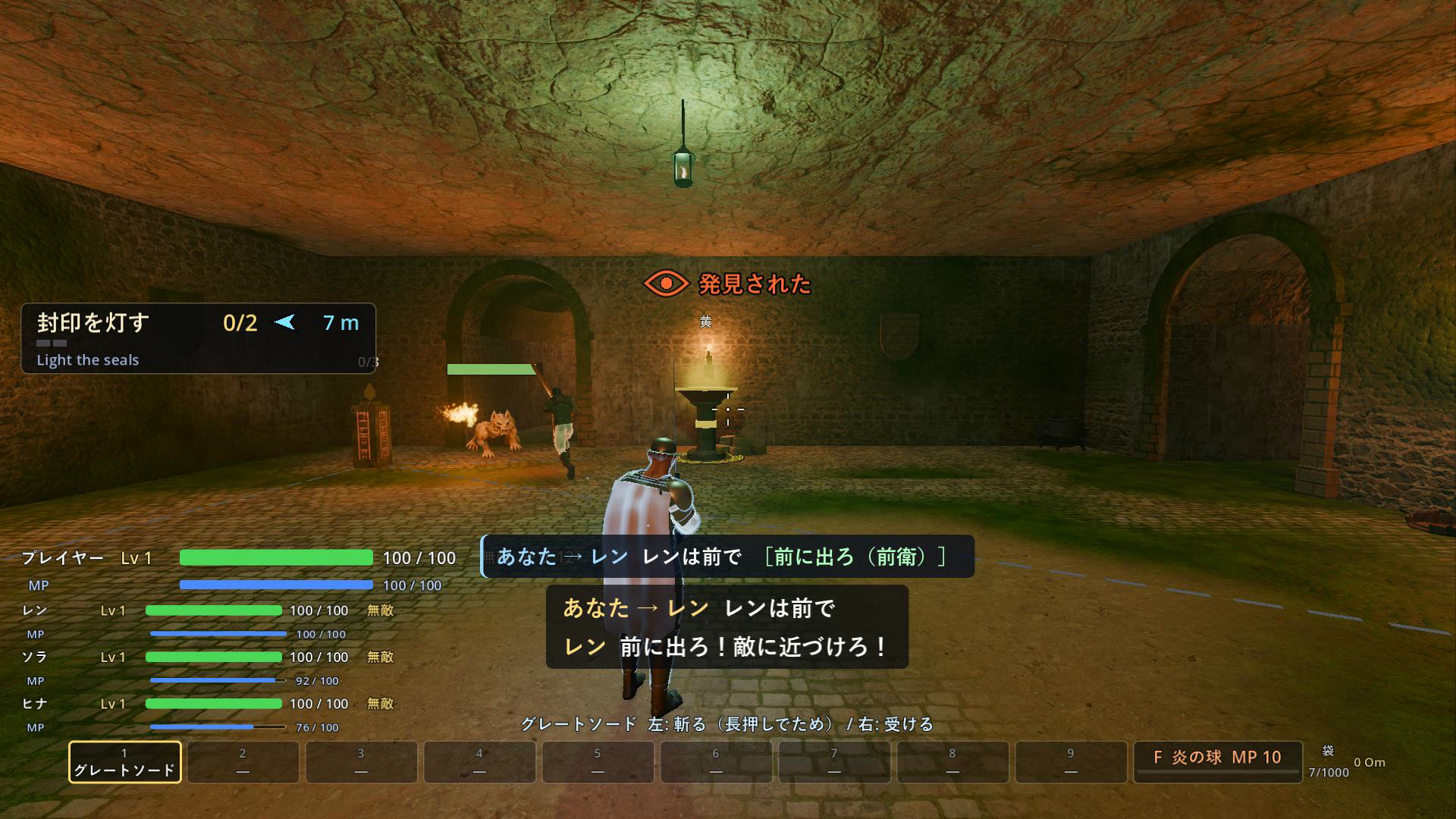
Speech passes through a cheap command filter first
According to the developer, push-to-talk audio reaches whisper.cpp on local port 8090; a CommandMatcher checks predictable commands such as 'go to the front' before asking the llama.cpp server on port 8091. If the command is clear, the game dispatches the action directly and reserves the LLM for a spoken reply. Uncertain speech falls back to the LLM for action selection. Japanese voices are rendered through AivisSpeech or VOICEVOX, with Kokoro used for English. These are local processes, not claimed cloud API calls.
The creator tested synthetic voiced Japanese game words: prompt hints made recognition rise from 55.3% without hints to 81.3% with character names, nearby-object terms and fixed vocabulary (342-word test, measured November 17). These are the author's controlled test results—not general player accuracy. The workflow suggests that a constrained command vocabulary and domain-specific ASR hints can help more than a larger language model.
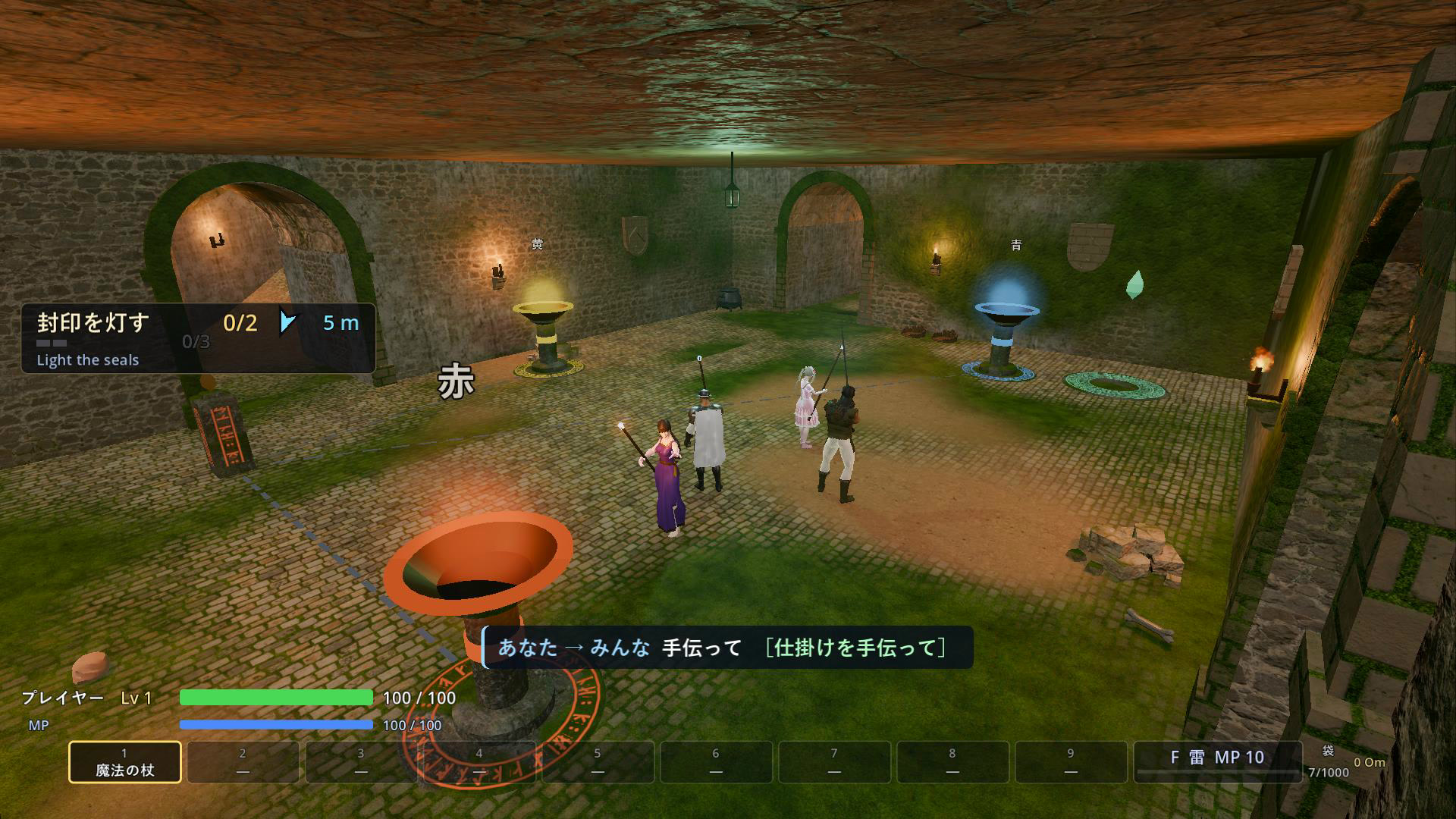
Keeping three AI services within 8 GB VRAM
The author measured 7.85 GB in use with about 0.35 GB free while running the game, speech recognition, language model and speech synthesizer together on September 30. The default dialogue model is Qwen3 1.7B Q8_0; voice generation is moved to CPU first when headroom is tight, then speech recognition, while retaining the dialogue model on GPU as long as possible. The developer warns that running two game instances at once can exceed the budget.
A separate November 13 freeze diagnosis found Godot's threaded HTTPRequest `cancel_request()` blocked the main thread when a speech engine was still loading. In the author's controlled test, avoiding a late cancellation and suppressing competing health checks brought the longest frame gap from 2,486 milliseconds to 7 milliseconds. This is the measured fix for that test case, not a universal performance guarantee.
What other Godot creators can reuse
This case study gives developers a specific checklist: measure actual GPU allocation per subprocess rather than trusting the chosen toggle; keep short gameplay commands in a deterministic fast path; supply game-world terminology to Whisper; prewarm character voices; and test cancellation of pending HTTP calls under load. The developer supplies a free Windows alpha and project information with links to demo videos. The report notes generative AI assisted with some code, enemy 3D models, voices and in-game dialogue. GameSlash has reviewed the author's documentation and gameplay images but has not independently run this alpha.