 GAMESLASH
Director's Cut packs 14 five-second AI-assisted microgames and a self-playing QA mode
By GameSlash
Announced November 13 for Epic AI MegaJam, the 2D/3D arcade collection documents parallel Claude Code work and an -dcauto mode that screenshots each game state.
LumaxSoftGames publicly showcased Director's Cut: Unplayable Edition on November 13, 2026, after posting the Windows game on itch.io late on November 12 UTC. The Epic AI MegaJam submission is a fast arcade collection: fourteen deliberately mundane five-second microgames parodying tasks that a traditional video game would cut from its final release. The studio also explains its AI-assisted build pipeline and an automated testing mode designed to check every little scene.
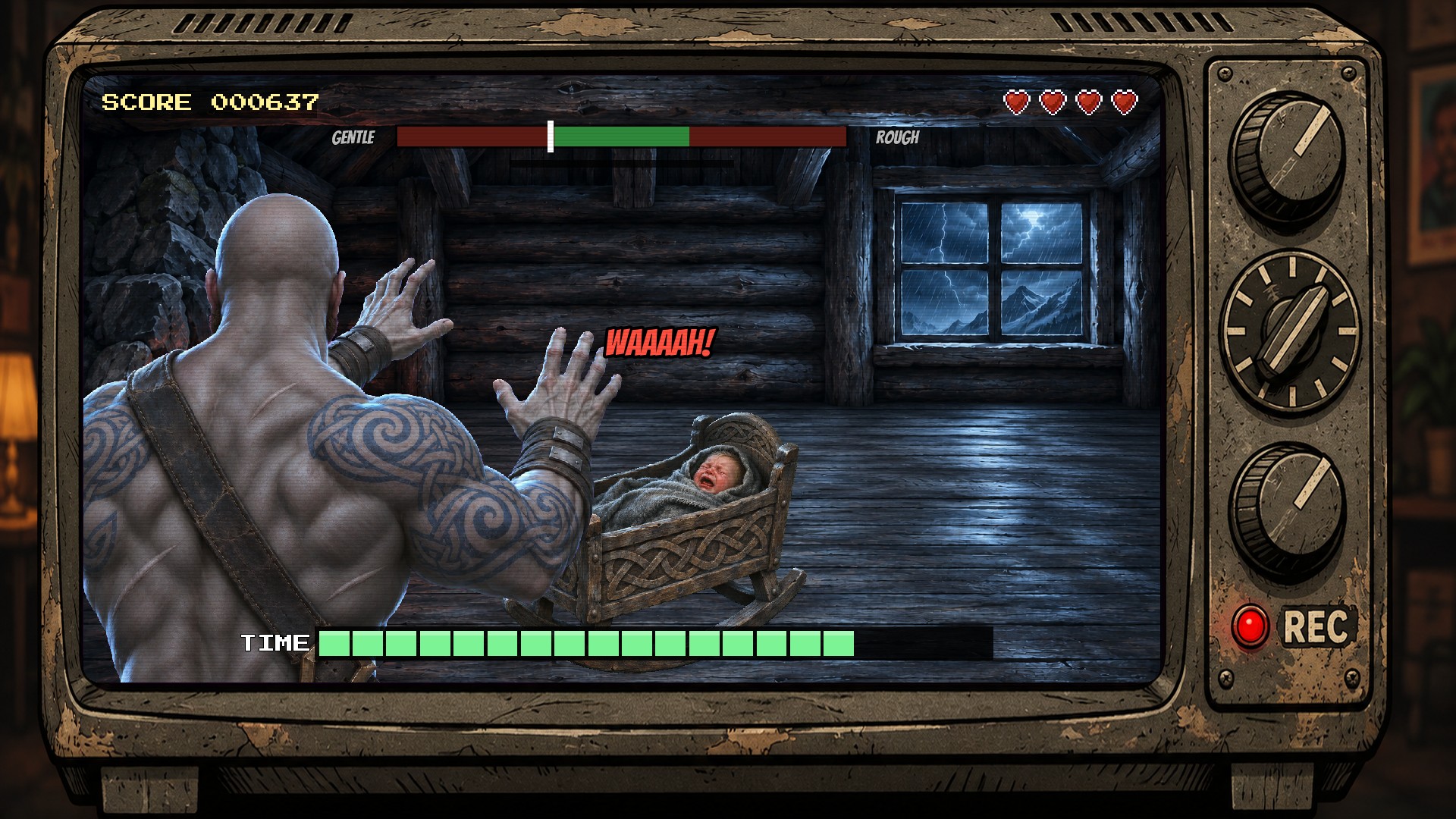
Fourteen absurd chores, five seconds each
Instead of saving the world, players unclog pipes, organize luggage, stack pottery and perform other jobs the game jokingly calls deleted scenes. The collection combines nine 2D games with five 3D games, shown through a retro CRT interface. Every task has its own controls; the pace accelerates in the second round, failures consume limited lives, and the finale produces a deliberately judgmental QA report.
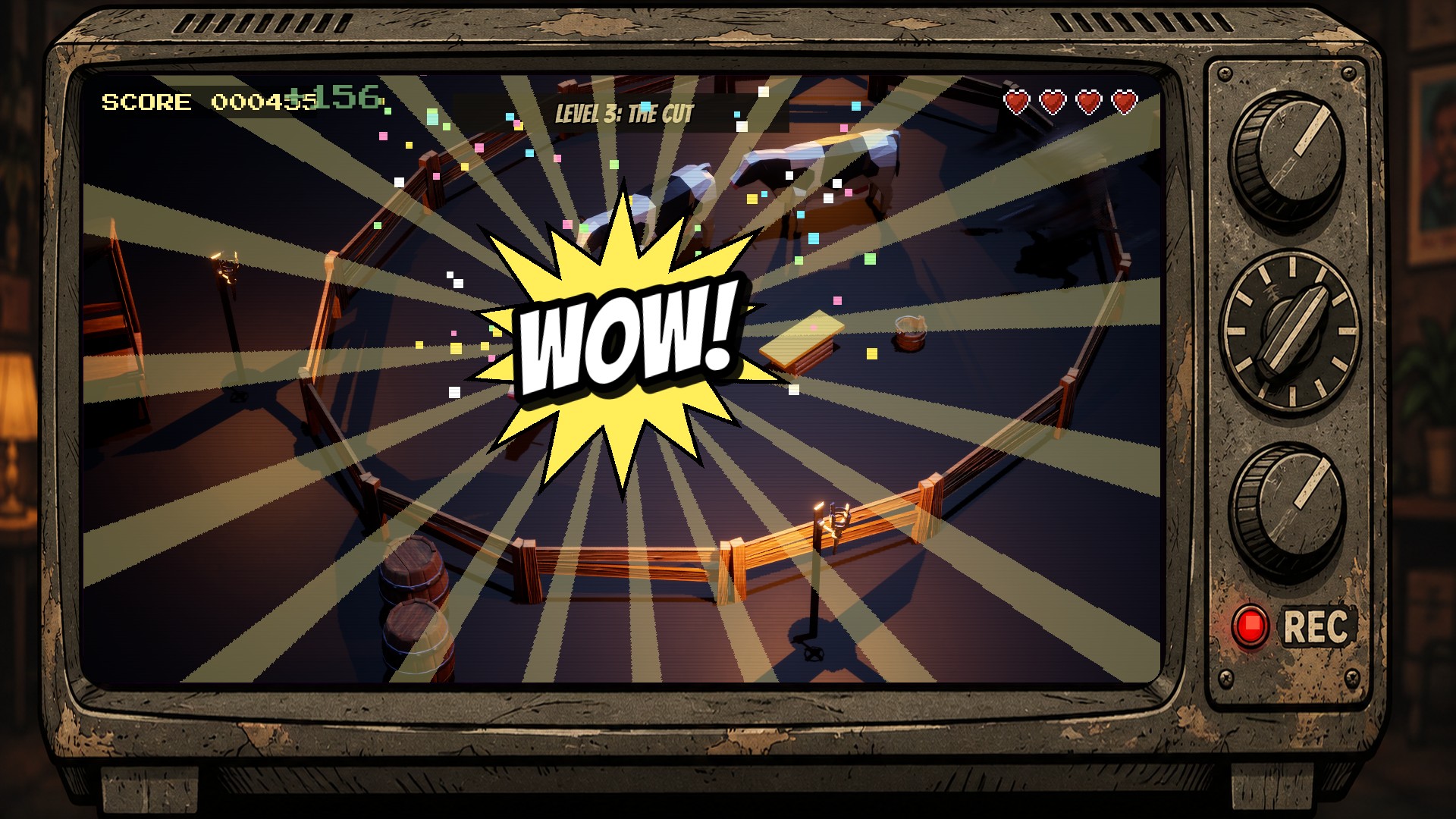
How the team built and automatically checked the game
In the creator's build notes and November 13 announcement, the developer explains that Claude Code sessions worked in parallel on individual games or subsystems, with one main integration session handling compilation. A single custom Unreal Slate stage renders the game in a virtual 1920×1080 canvas while a state machine controls title cards, action, success, failure and the final report.
More unusually, launching the executable with -dcauto runs a scripted self-play path. Each microgame captures images of its title card, play, win, fail and report states. The team says this helped catch misaligned stamps, invisible 3D props and overflowing text without replaying all fourteen stages after every edit. It is a reusable idea: give tiny gameplay units deterministic test hooks and save visual evidence after each change.
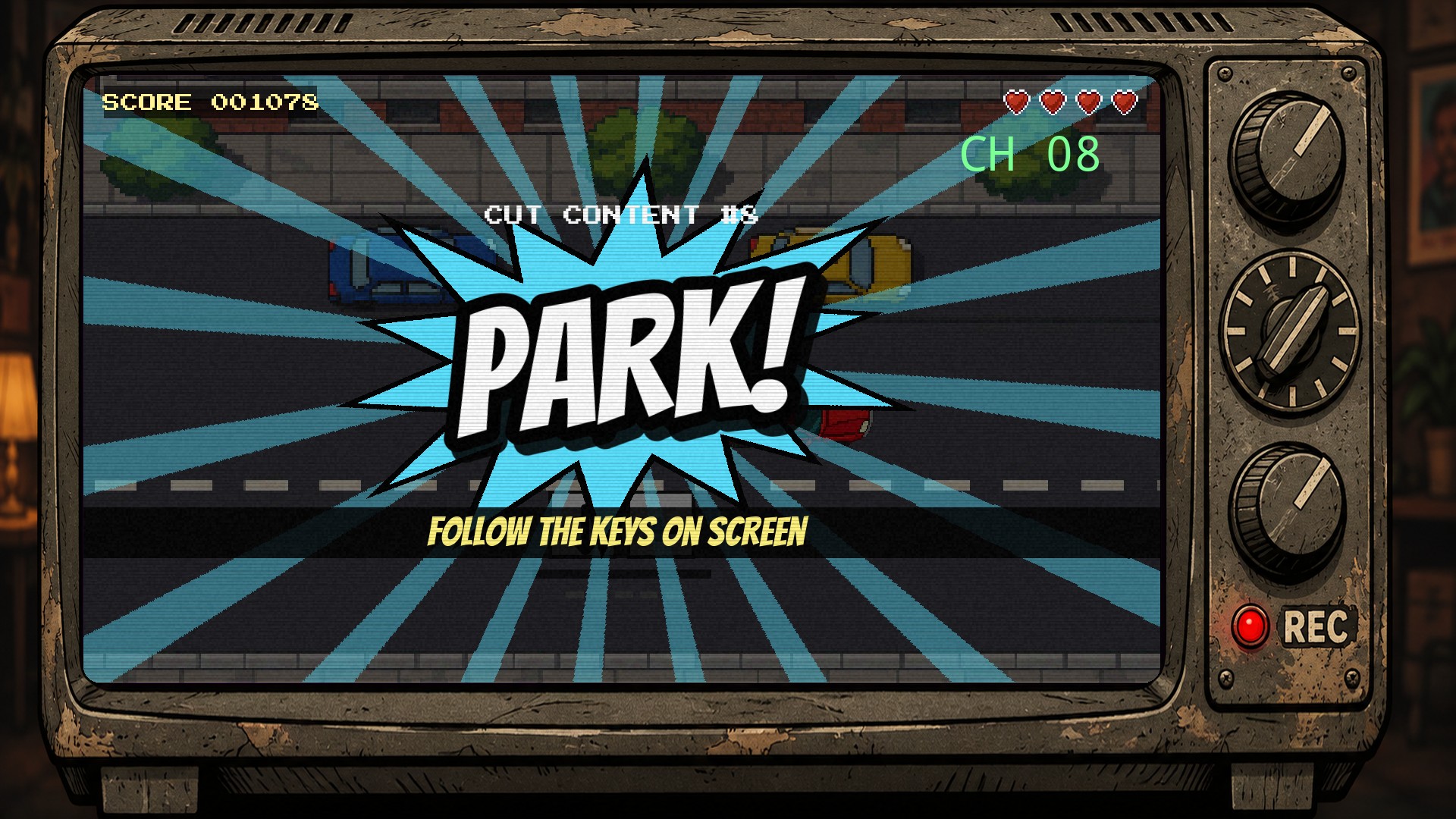
For production, Codex CLI generated 2D sprite assets with magenta backgrounds that a Python script processed before Unreal import. Hyper3D Rodin provided some 3D props through MCP and ElevenLabs generated audio; characters and animations also used disclosed third-party assets. The creator states that a fifteenth microgame was deliberately removed. The downloadable 410 MB Windows build is listed as name-your-own-price, and these descriptions come from the developer rather than GameSlash playtesting. See the itch.io release and our related report on Mai Falls Up.