 GAMESLASH
FINAL SPLICE releases 15 film-cut puzzles and reveals 241 AI-agent tests in Unreal
By GameSlash
FINAL SPLICE turns real-time film editing into 15 puzzles, while its creator documents Unreal MCP, a Python level solver and AI-agent regression tests.
FINAL SPLICE, a solo Unreal Engine 5.8.2 game released for Epic AI MegaJam on November 15, 2026, makes the player edit a moving film strip rather than control its paper actor. Across 15 scenes, every edit changes the ground under the character before he arrives. The release is accompanied by a detailed developer log explaining how Claude Code agents, Unreal MCP and an independent reference solver built and tested the game.
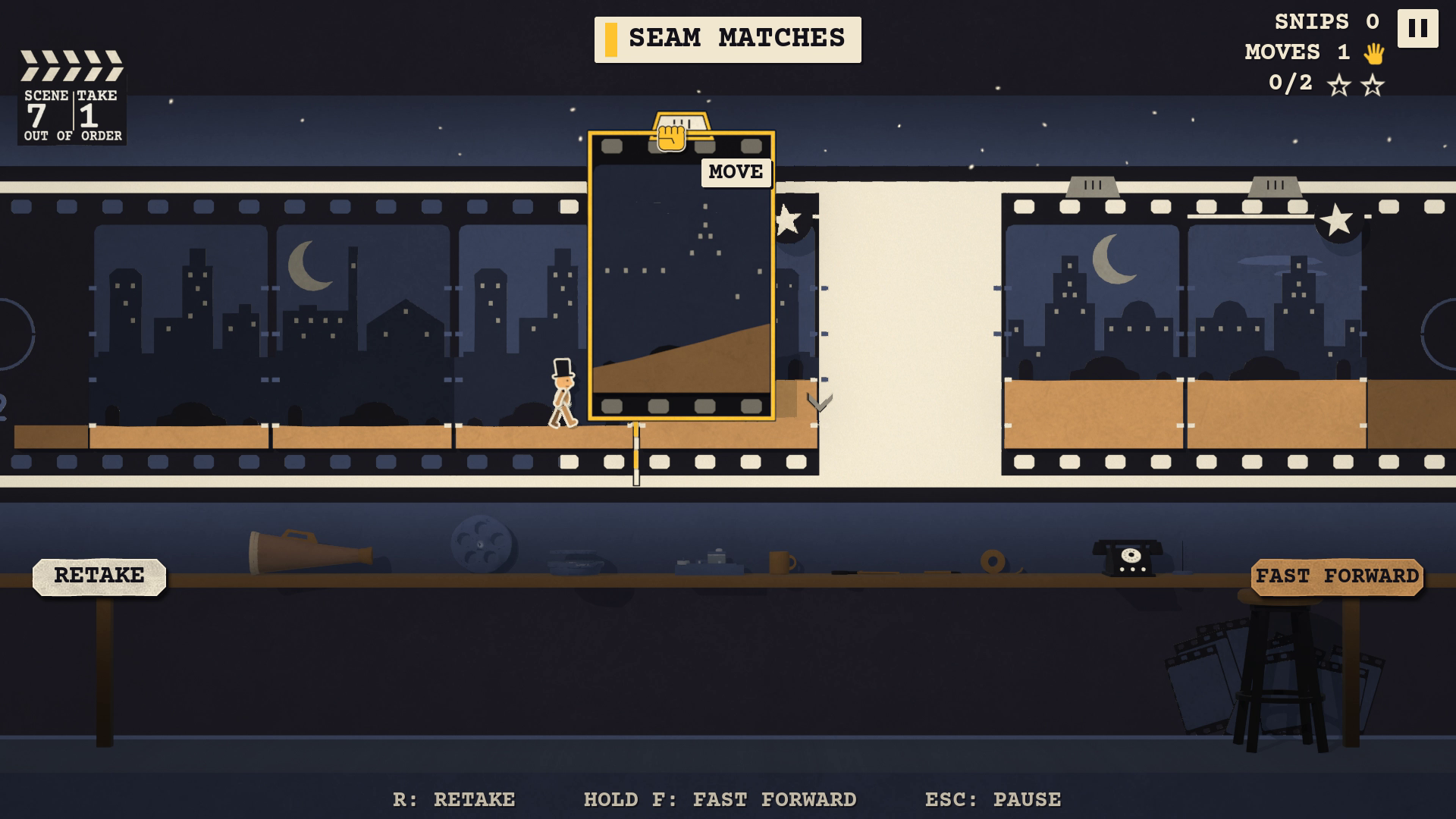
Cut, move and restore a reel while the actor keeps walking
In the early levels, players drag across a dangerous frame to cut it away, joining the surrounding film under yellow tape. Later, they can MOVE a frame to a different seam and RESTORE a discarded piece to its original strip. The paper actor never waits: frames under or behind his feet cannot be edited. Cuts must also pass continuity constraints, keep required story beats and stay within the studio's limits.
The studio boss, Mr. Gross, interrupts later scenes with new editing demands. Every level offers three ratings including approval, an efficient edit, and the longest approved Director's Cut. The developers say the final scene lets the executive recut the moving reel while the player tries to restore it.
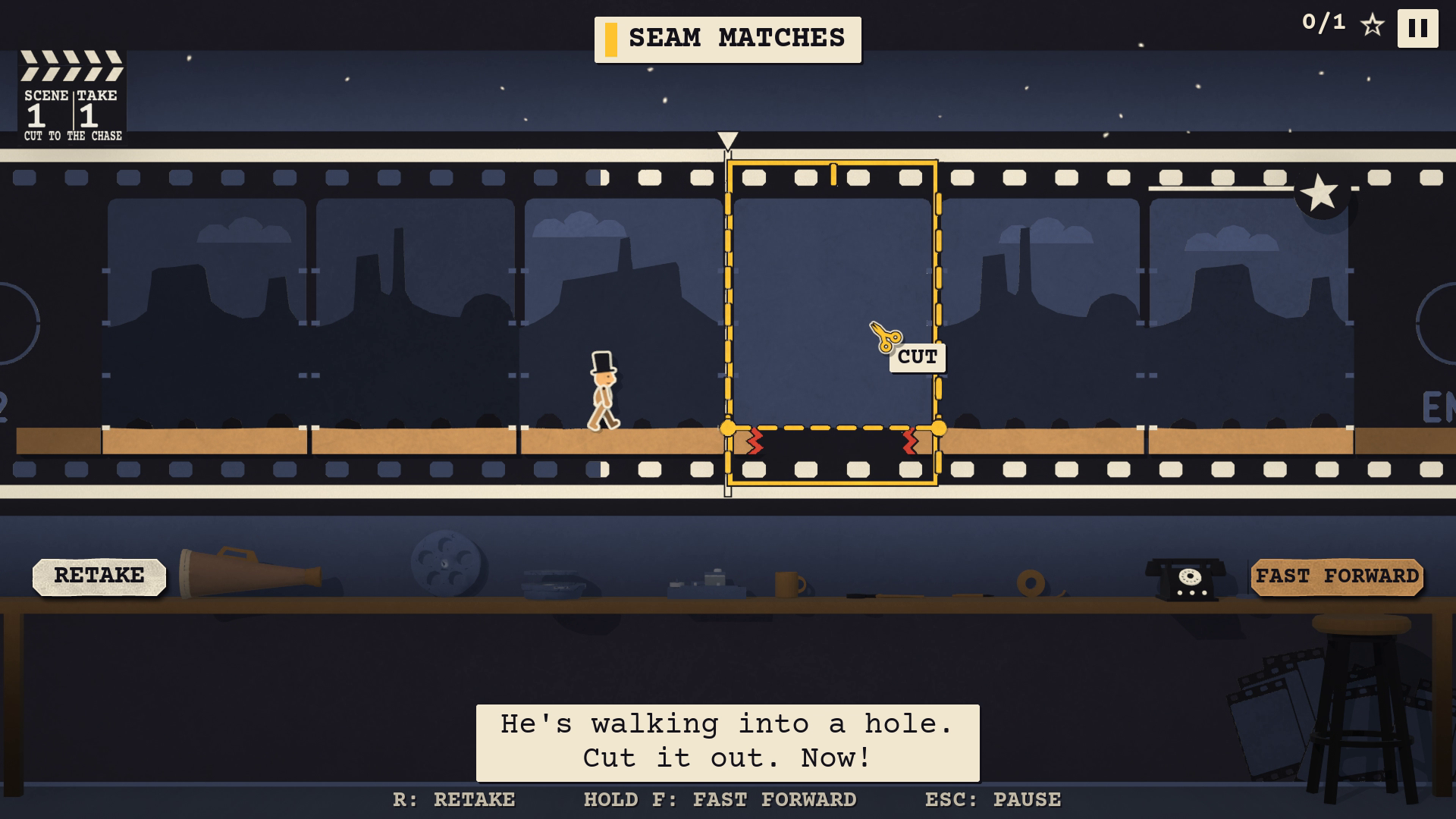
184 reference simulations and 241 automated tests
The developer describes a particularly concrete AI-assisted testing setup. Claude Code agents generated C++ code and scripts, drove the Unreal editor through Unreal MCP and packaged builds. A Python reference simulator and solver checked that the levels were solvable, while the Unreal C++ tests replayed the reference traces; the game page reports 184 of 184 matching traces. In the November 15 development log, the creator reports 241 automated tests at the final Sunday checkpoint, alongside scripted gameplay that can finish all 15 scenes.
The team kept only one agent as the active writer of the Unreal project at a time, because binary assets cannot be merged safely like ordinary text and the machine had 16 GB RAM. Separate side agents worked in their own folders. An independent gate agent rebuilt, retested and committed passes only after checks succeeded. The human developer personally played the entire game, changed hints and level tuning, and made the final design decisions.
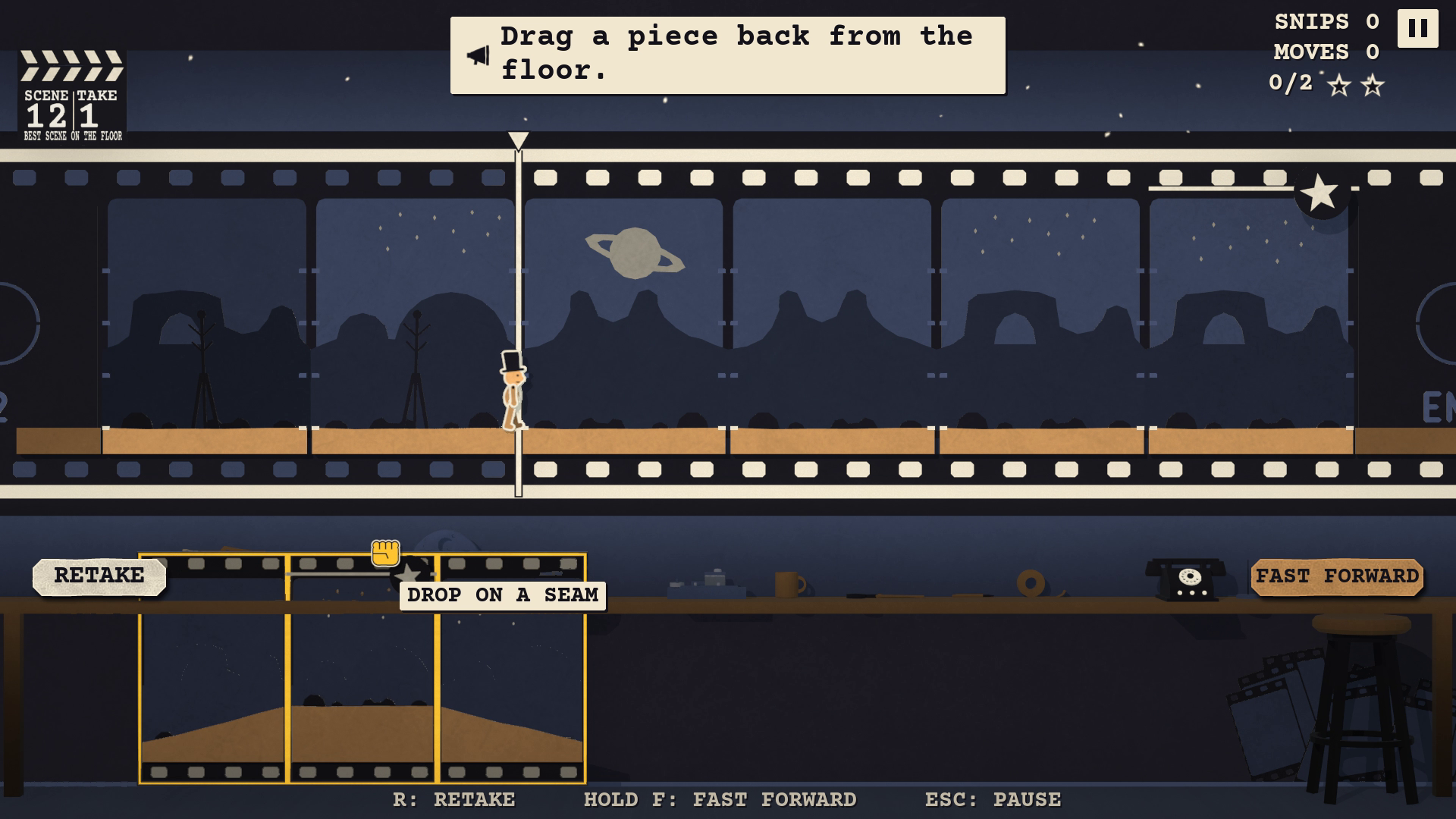
What game developers can take away
This is useful as a workflow case study because the creator separated a deterministic level solver, an in-engine regression suite and a human playtest, rather than treating an agent's statement that the build works as sufficient evidence. It also shows how to split parallel agent tasks so only one controls Unreal's binary editor state, and how to require build logs or screenshots for completed tasks.
The creator credits script-built meshes, UI and music, plus selected third-party generation services for voices, effects and a small set of props. The released build is a Windows download, with no browser play version; the game page documents its DirectX safe mode and first-run notes. These details are based on the developer's published report, not an independent GameSlash hands-on test.
Sources: FINAL SPLICE game and download and developer's technical production log. Related GameSlash coverage: Filmmaker and its Unreal MCP production workflow.