 GAMESLASH
Godotwright 0.6.0 adds shader compilation and real build checks for AI-made Godot games
By GameSlash
Godotwright 0.6.0 adds headless shader compilation, real export-package inspection and repeatable scene tests for AI coding agents building Godot games.
Godotwright, a local MCP server and CLI for AI coding agents working with Godot, has added a substantial 0.6.0 release focused on checking what an AI-written game actually does. The developer's 0.6.0 changelog documents shader compilation, inspection of the actual exported game package and repeatable playtest checks. A third-party MCP manifest captured version 0.6.0 on November 4, 2026; that is a verified snapshot date, not a claimed exact release timestamp.
What changed in 0.6.0?
The new shader checker reviews .gdshader and shader includes against Godot 4.7.2's shader rules, then invokes Godot's own compiler headlessly to catch errors rather than simply accepting syntax that looks plausible. The new export-run path builds a real .pck package, examines whether files referenced by the game were actually included and can smoke-test the exported project. Checks for broken scene and resource UIDs are also expanded.
Playtests can now be saved as named scenarios for regression checks. Screenshot baselines can compare selected frames for changes, and leak testing repeatedly loads and frees a scene to identify growing resources or orphan nodes. These are developer-described features, not benchmark results independently reproduced by GameSlash.
How can an AI game creator use it?
A practical loop is to let Claude Code or Codex edit a Godot project, then review the scripts, run the real headless project checks, verify shaders, test a gameplay scenario and inspect the export package before shipping. The official installation guide provides `npx -y godotwright review ./my-game` for script review and `godotwright check --run` for engine checks from the project. It requires Node.js 22.12 or newer; engine-backed checks need a suitable Godot installation.
What to verify before adopting
Godotwright connects to local project files through its CLI or MCP. Configure file permissions and protected paths before allowing an agent to edit a real game, and run checks against the Godot version that the project actually targets. The project is distributed under the MIT licence, but a passing automated check does not replace playing the game or testing its exported build on target hardware.
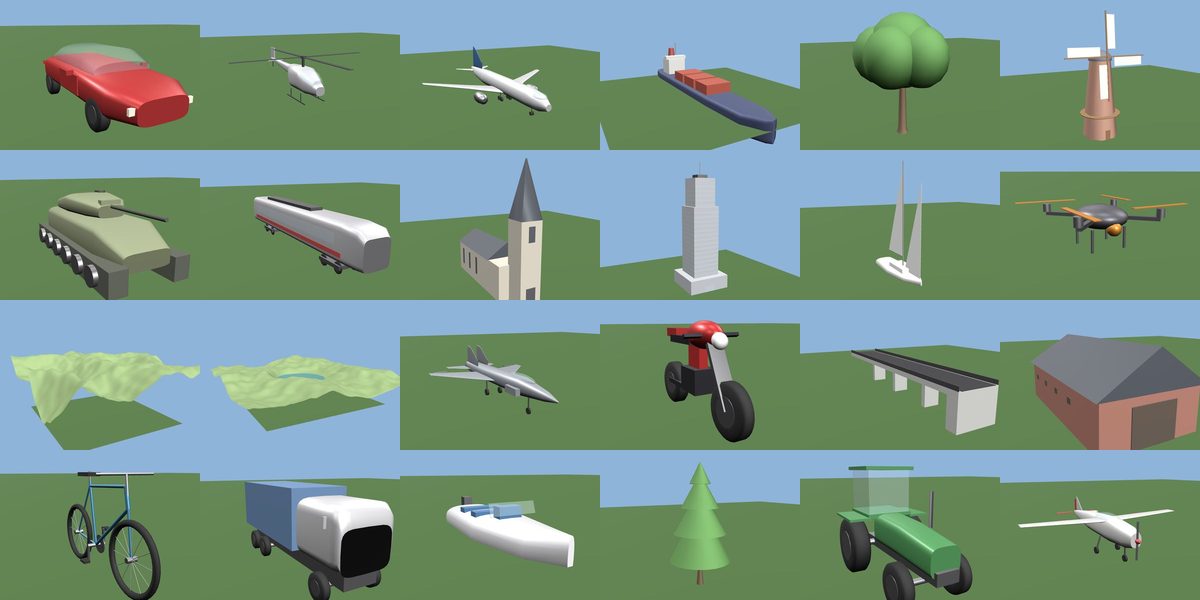
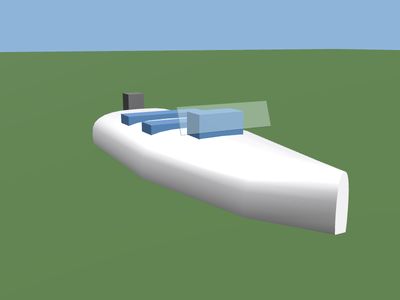
Read the 0.6.0 changes in the developer's changelog, inspect the GitHub repository and see the model gallery. The images are genuine developer gallery renders, not original gameplay screenshots or newly generated images for this article.