 GAMESLASH
JUMP CUT: Claude Code agents built an Unreal stunt game and logged 182 saves in four days
By GameSlash
JUMP CUT's creator shows how Claude Code and Unreal MCP built a stunt-driving game, with 182 saves, Windows build failures and lessons from real playtests.
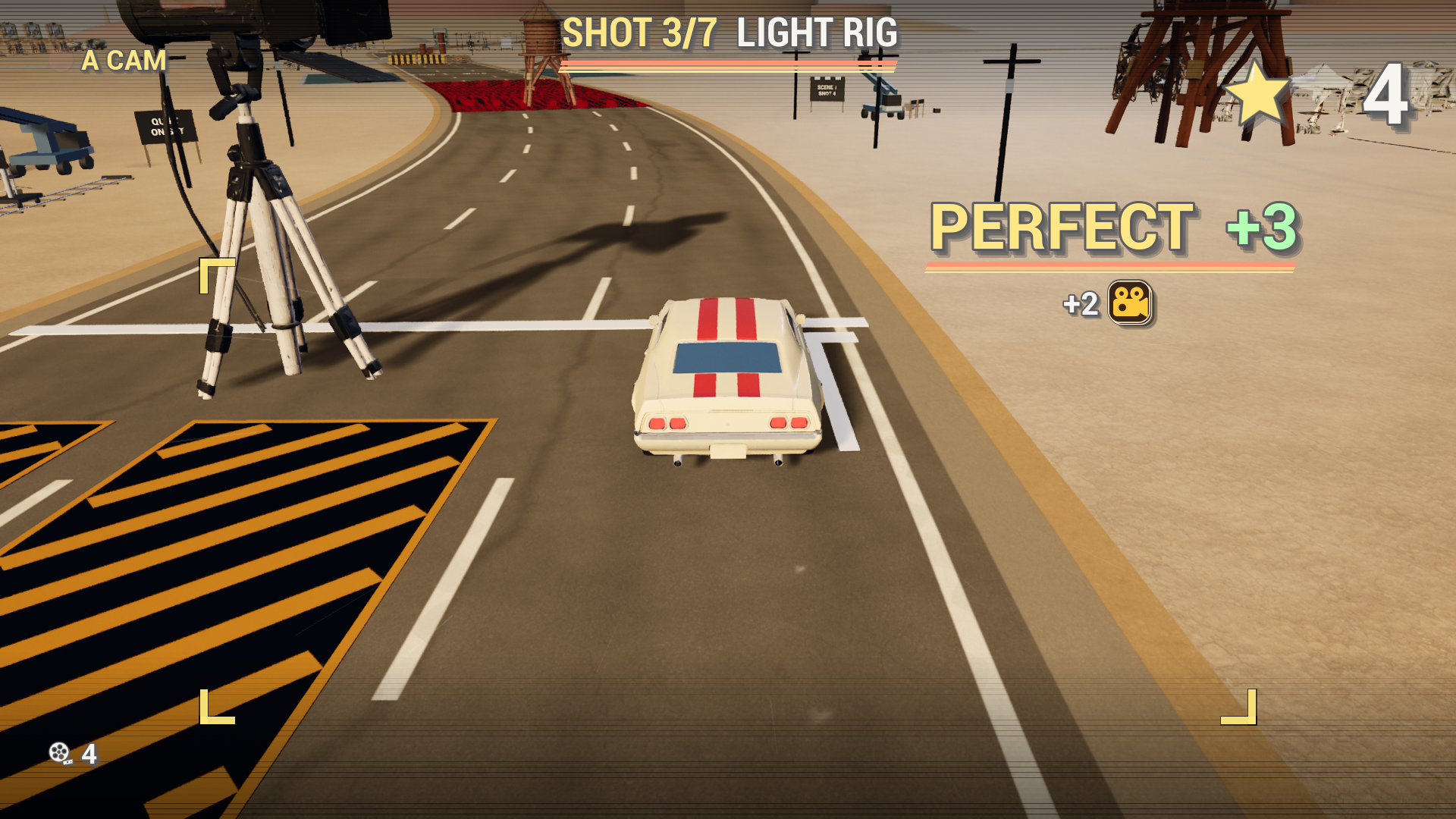
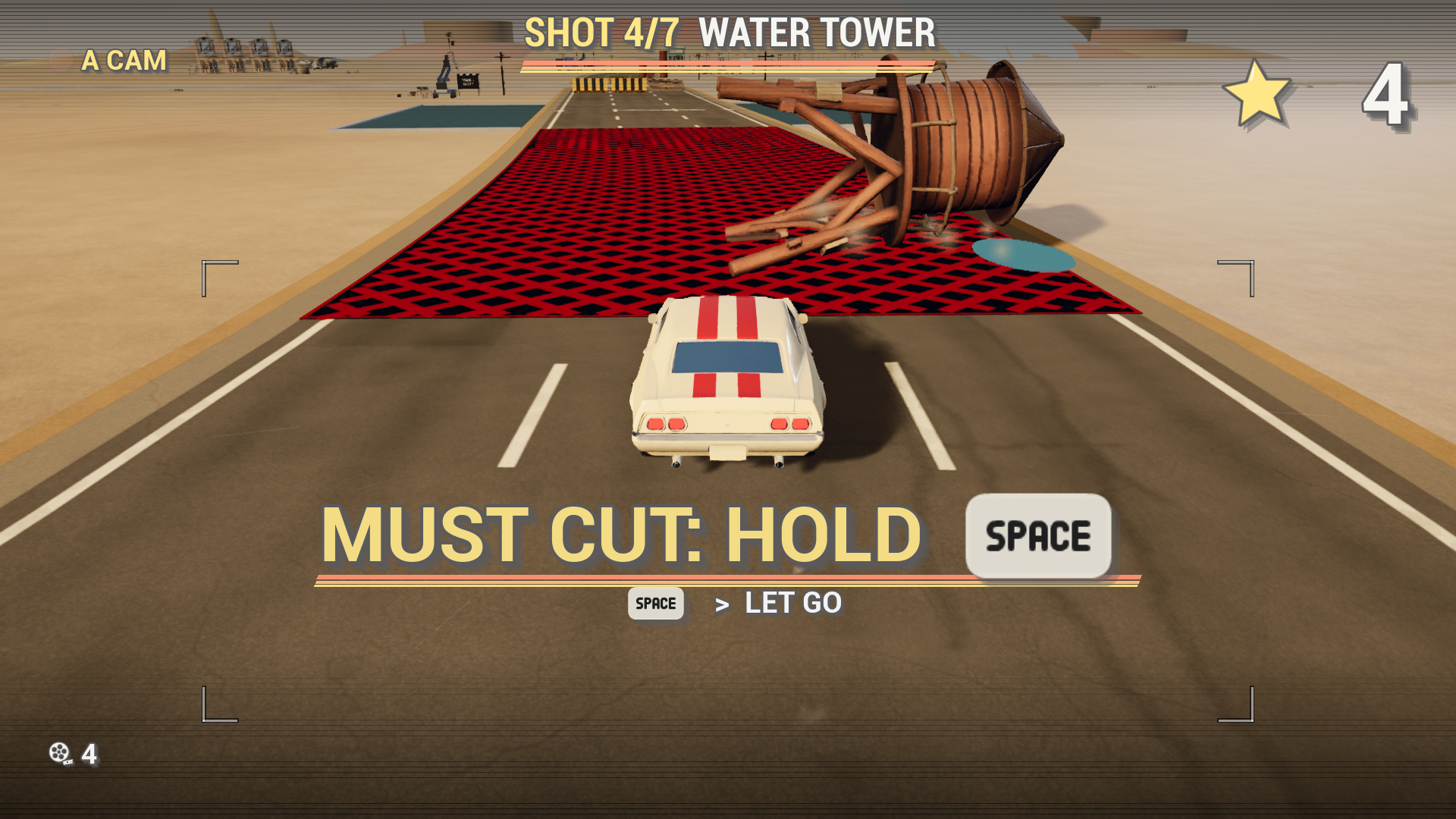
A solo creator has published JUMP CUT, a stunt-driving game built for the 2026 Epic AI MegaJam, alongside a detailed November 15 development log. Made in Unreal Engine 5.9 with Claude Code agents, it gives players a film-editing decision: attempt each driving stunt, or hold and release to cut past it, spending limited film. At the wrap, the Director's Cut replays the scene with skipped stunts put back in.
What the agent team actually did
The developer, jf1shh, says Claude agents wrote nearly all game code, drove Unreal Editor through Epic's Unreal MCP plugin, generated build and test reports, and passed work between a hub agent, a lead and helpers. The human made design decisions and played the builds before submission. This is a record of a working production process, not proof that a fully unattended AI pipeline made every creative decision.
The author counted 182 project saves during the jam window and 209 hub-seat handovers. Their log distinguishes about 90 million output tokens generated by agents from 13.53 billion total processed tokens, mostly cache reads. These are the developer's own recorded metrics, not an independent benchmark or a measure of game quality.
The mistakes that mattered more than the numbers
A Windows build initially failed because a local variable named Slot shadowed an engine symbol even though a Linux compilation had passed. The team added a quick Windows compile check to its shipping pipeline. On a handheld test machine, input automation also stopped reaching the game window, so the agents changed their test-input method; the developer still checked actual controller handling personally.
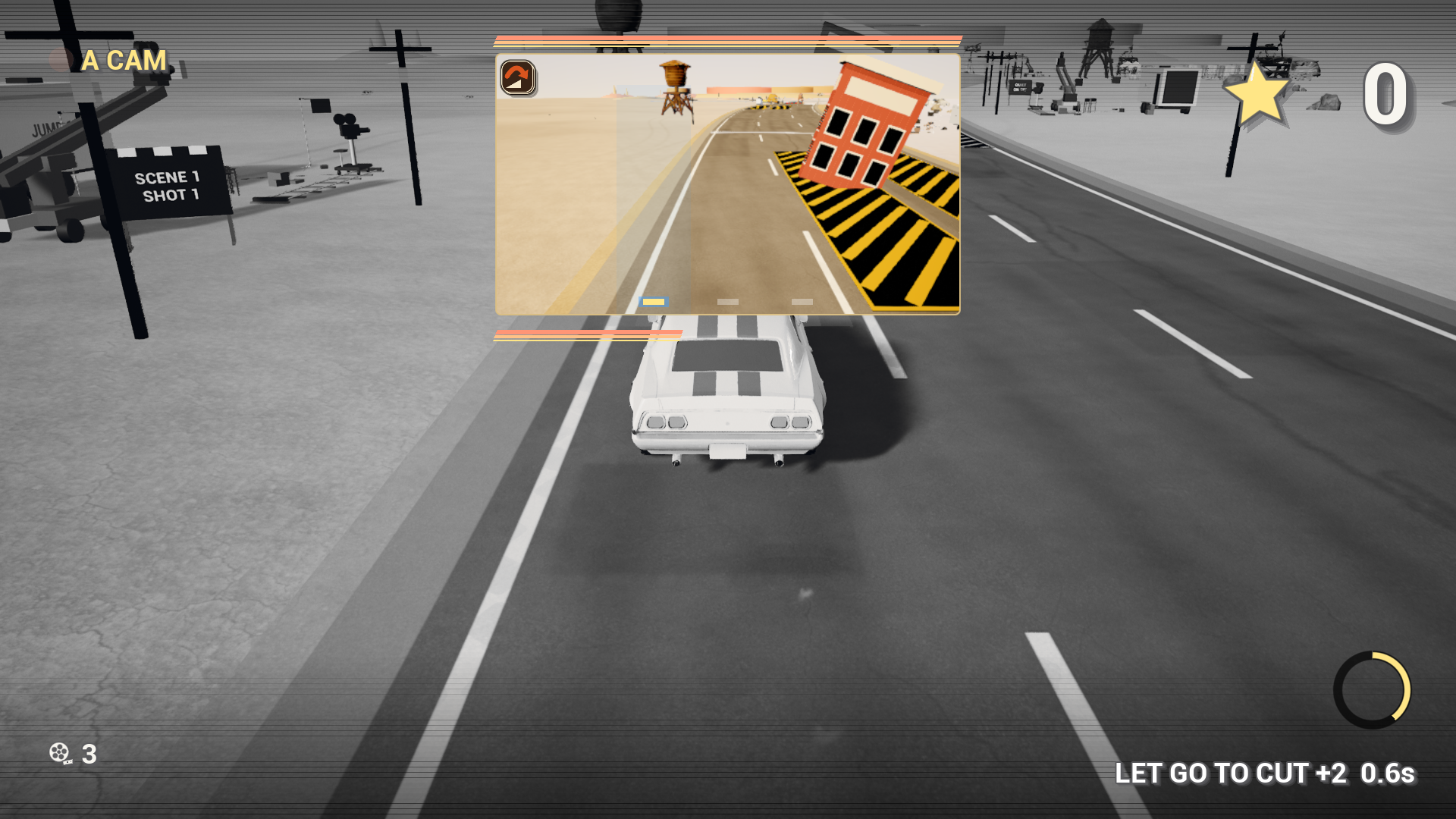
Human playtests caught comprehension problems the automated checks did not. The developer shortened an overly wordy instruction card, compared reader feedback, and accepted a trade-off in clarity. The report also documents screenshots and checks at different aspect ratios, including one build where the stunt cues disappeared; that candidate was not shipped.
Where AI assets entered the pipeline
Claude Code and Unreal MCP handled code and editor operations. Meshy made six 3D props from concept pictures; Hyper3D Rodin supplied three other props. The author identifies FLUX-generated concept art, a backdrop texture, Gemini text-to-speech voice lines, code-written HUD icons and two ElevenLabs Music tracks. They explicitly corrected earlier misattributions in the credits and say a question about music usage terms remained unanswered when the log was written.
What another game creator can take from this
The practical model is to separate agents that write or edit from agents that build and test, require a native build for every shipping platform, keep image-based gameplay checks, and let unfamiliar people try the game before release. A passing automated run did not catch unclear instructions or all controller problems. JUMP CUT has Windows and bonus Linux downloads, not a browser-playable version.
Sources and playable build: developer's November 15 dev log · official game and downloads · original screenshots with editorial-use permission · public workflow and source repository.