 GAMESLASH
LEVIATHAN renders an 83-second anime in Three.js. What game developers can borrow
By GameSlash
A look at LEVIATHAN’s code-driven 3D scenes, anime-style rendering, cameras and sound, and how the same ideas can drive game cutscenes and boss effects.
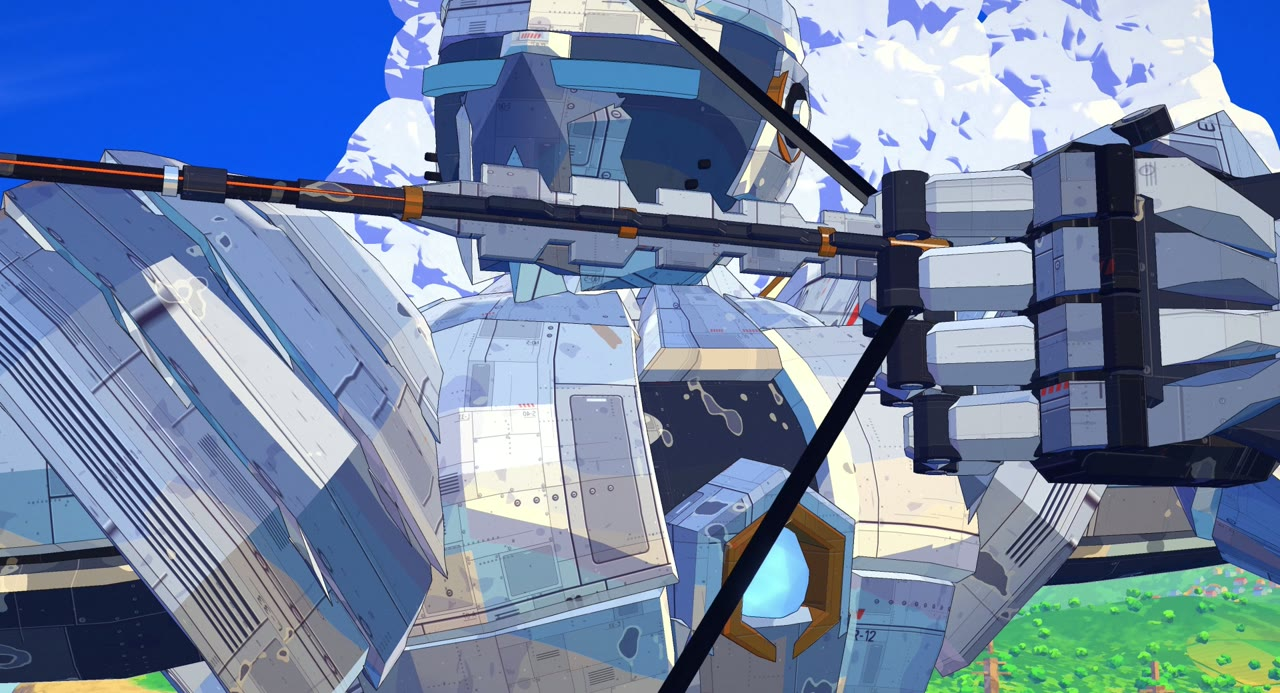
Movez (@0xMovez) shared LEVIATHAN on November 4, 2026. The 83-second short uses Three.js to render all 39 shots from code. Its coastal archer, sea creature and fleet come from 3D scenes, with synthesized audio to match. Movez says he used Fable 5.5 and split the work across eight parallel agent teams.

LEVIATHAN’s README credits a short by AHMII and describes the project as an anime-style remake of its story and shots. Titan Archer vs Sea Kaiju, posted by el.cine (@EHuanglu) on October 3, follows a strikingly similar sequence, from the coastal archer firing a harpoon into orbit to a sea creature amid a fleet. The clip offers a side-by-side reference. LEVIATHAN’s production notes say the team worked from reference frames, but do not identify the clip by URL.
How a 3D scene gets its anime look
The project applies cel shading to 3D scenes and splits rendering into several passes. A filter gives the backgrounds a painted look, while character outlines use depth, surface normals and material IDs. Water, haze and lighting effects are layered on top. The film runs at 24 fps, with character poses updated 12 times per second and water effects eight times per second to give the motion an anime cadence. See the project source
Each frame is computed from time, so the renderer can jump to the shot it needs. The camera registry and story cues live in src/shots.js, and synthesized Web Audio follows the same beats. The project offers a standalone HTML player for offline viewing through GitHub Releases.
What game developers can borrow
Separate the game event from the effect timeline. When a boss enters phase two, for example, the game can trigger a local sequence that cues the boss pose, particles and sound. That makes it easier to retime the effect or reuse it in another scene. The game can still decide when players can skip the sequence or regain control.
LEVIATHAN can derive every frame from the film timeline. In live gameplay, profile shaders, reflections and post-processing on the target hardware, where they share a frame budget with a scene that responds to player input. Related reading on rendering crisp, consistent pixel art in games.
Sources include Movez’s original post and the LEVIATHAN project by 0xCodez, which credits AHMII for the source story and shots.