 GAMESLASH
Float & Pop developer reveals how two Unity characters share one Animator using AI sprites
By GameSlash
A new case study documents a solo mobile game's 20 animation clips, shared controller and frame-by-frame balloon-string anchors.
On November 26, 2026, Ludo.ai published a production breakdown with the solo developer of Float & Pop, a free arcade game for iOS and Android. The game itself shipped earlier in November. Players flap to gain height, burst rivals' balloons from above and chase them before they inflate replacements. The new case study explains how AI-generated sprite sheets were turned into a reusable Unity animation system.
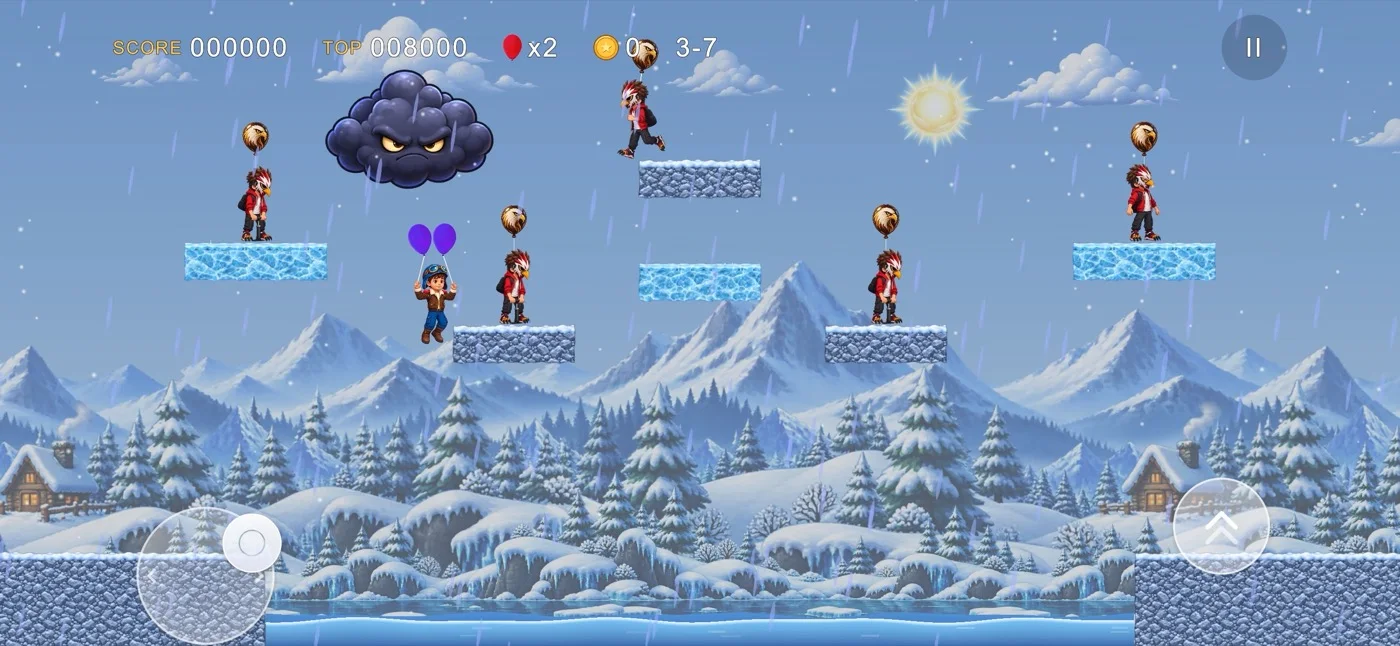
One animation controller, two playable characters
Developer Mohammad El Khatib reports using Ludo for four animated character groups and 20 clips, plus 37 sound effects and 14 music or ambience tracks. He imported each action as a separate sprite sheet, sliced it in Unity's Sprite Editor and placed each frame's pivot at the feet. Most clips contain about 35 frames and play at around 30 FPS. Continuous motions loop; reactions play once.
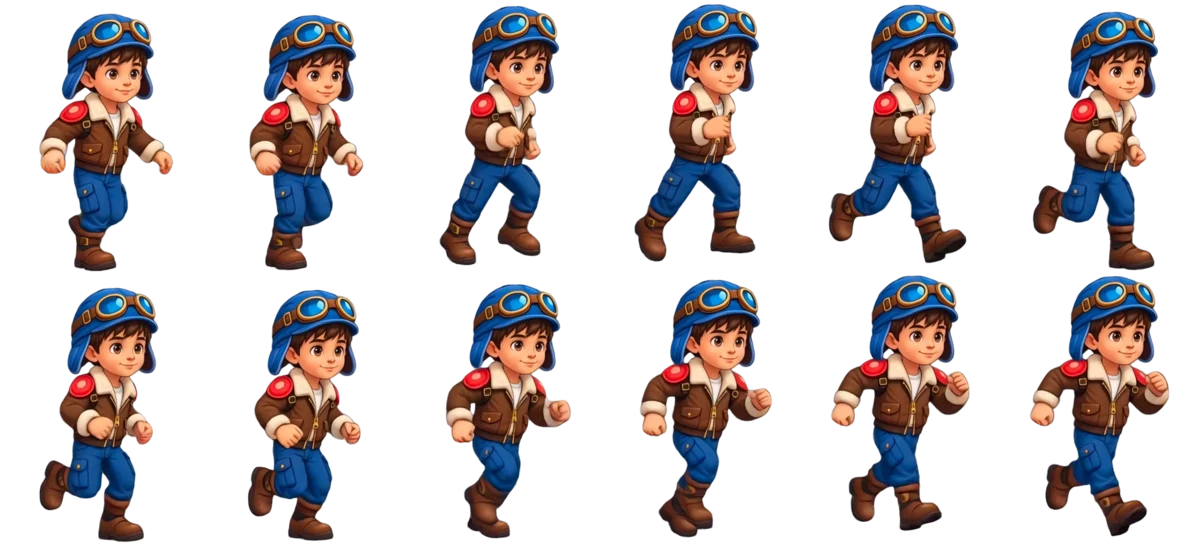
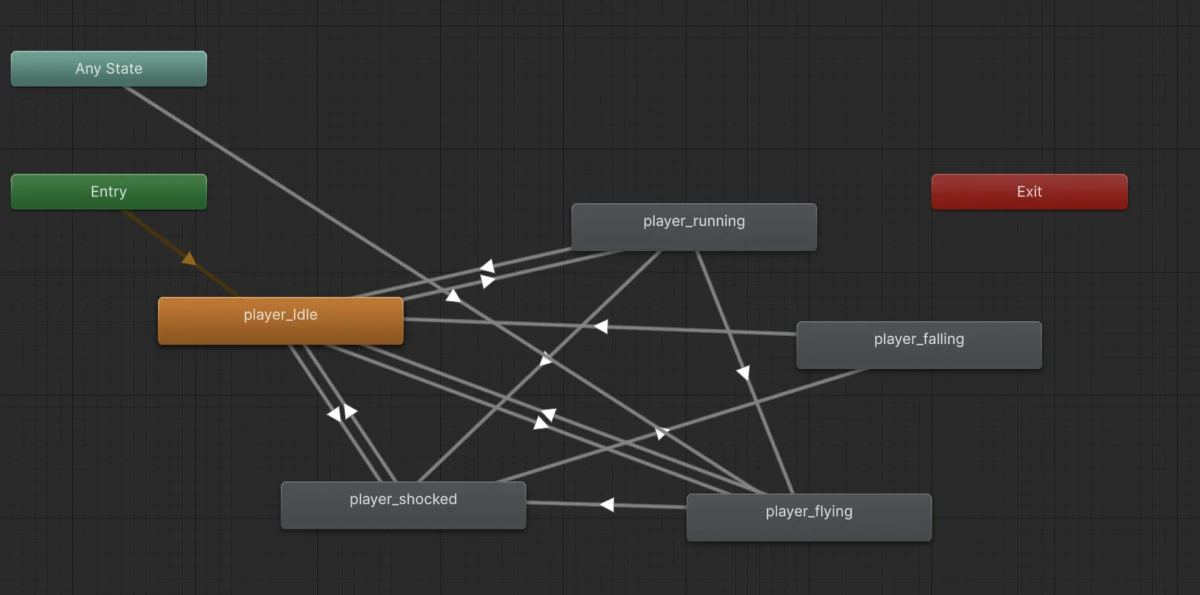
The player controller drives movement and reaction states through physics-derived parameters. The second pilot, Tati, uses an Animator Override Controller to replace Dan's clips without duplicating the state machine. This is a useful way to add skins or characters with equivalent actions without writing new transition logic.
Keep attachments in the right place
Balloon strings need to follow hands that change position in each frame, so the developer wrote an editor utility to record hand coordinates per frame. The same approach can anchor weapons or held props to frame-based animation. He reports roughly 400 Ludo credits and five to six weeks of part-time production; these figures are his own account, not a comparative benchmark. Backgrounds, platforms and UI were prepared separately, and he wrote the game code himself. See the developer's official game site and the production breakdown.