 GAMESLASH
Rigby2D 0.6 adds 2.5D head turns, Aseprite import and a Ren'Py game runtime
By GameSlash
The November 20 release makes layered 2D characters turn in depth and brings rigged animations into Ren'Py. See the workflow, MCP/CLI tools and export limits.
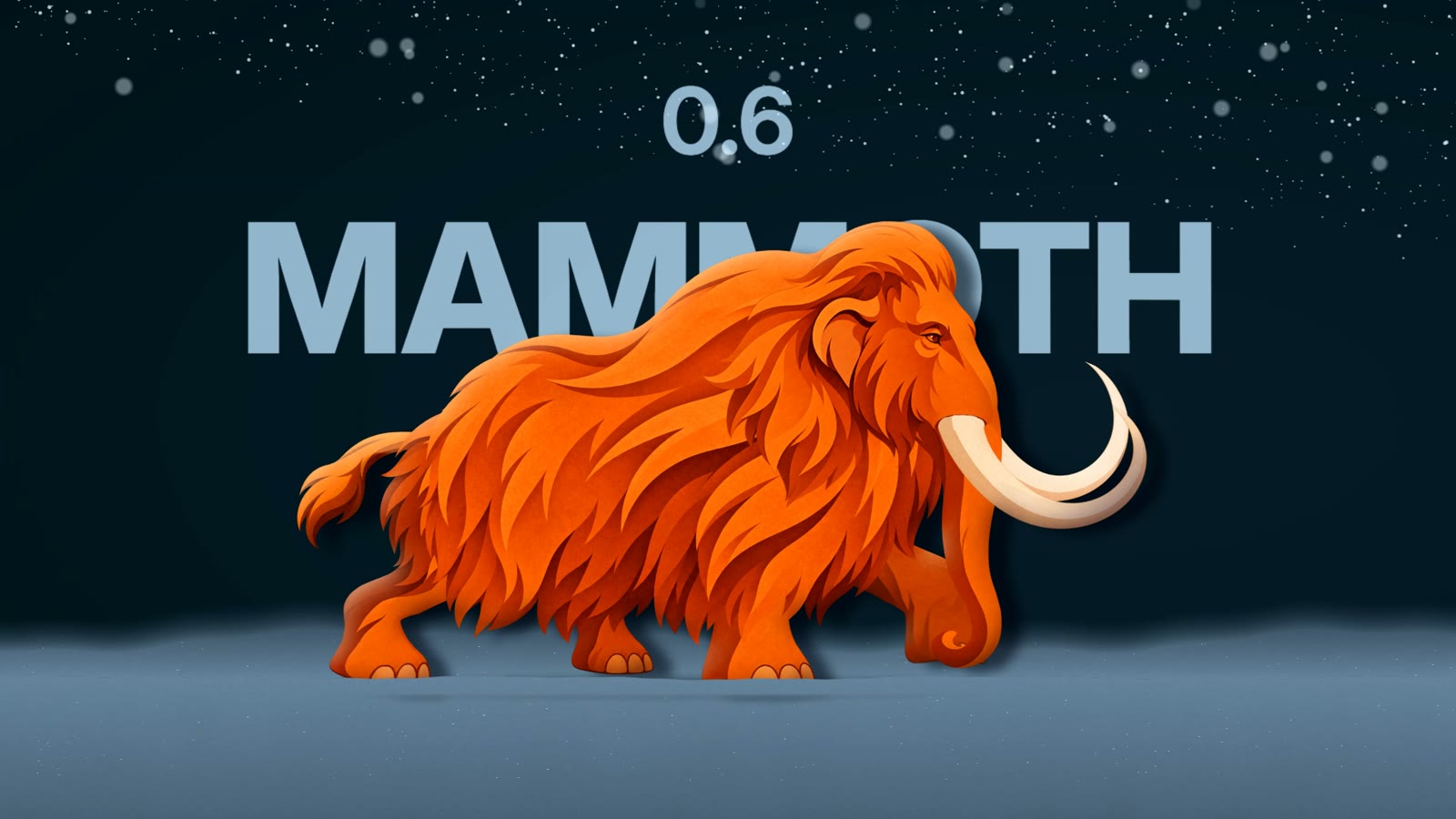
Rigby2D shipped version 0.6 Mammoth on November 20, 2026. The free, open-source 2D rigging and animation editor now turns layered heads in simulated depth, adds deformable mesh warps and a Ren'Py runtime, and can run import, rigging, validation and exports from a CLI or AI agent. For game developers, the notable change is that a layered drawing can be animated, inspected and shipped to different engines without redrawing every angle.
Give a 2D face depth without drawing every frame
Select a character's head and choose Make turnable. Rigby2D assigns depth based on the part order: front hair and nose move more than ears and back hair. One control bone sets horizontal turn and vertical tilt. If the automatic side view looks wrong, edit the Left, Right, Up or Down lattice by hand; the tool blends intermediate angles and exports them as ordinary mesh deformation keys. According to the official guide, defaults are 20° of turn and 12° of tilt. This is a practical option for portraits or NPCs that follow a cursor, but it still needs manual inspection for distorted anatomy.
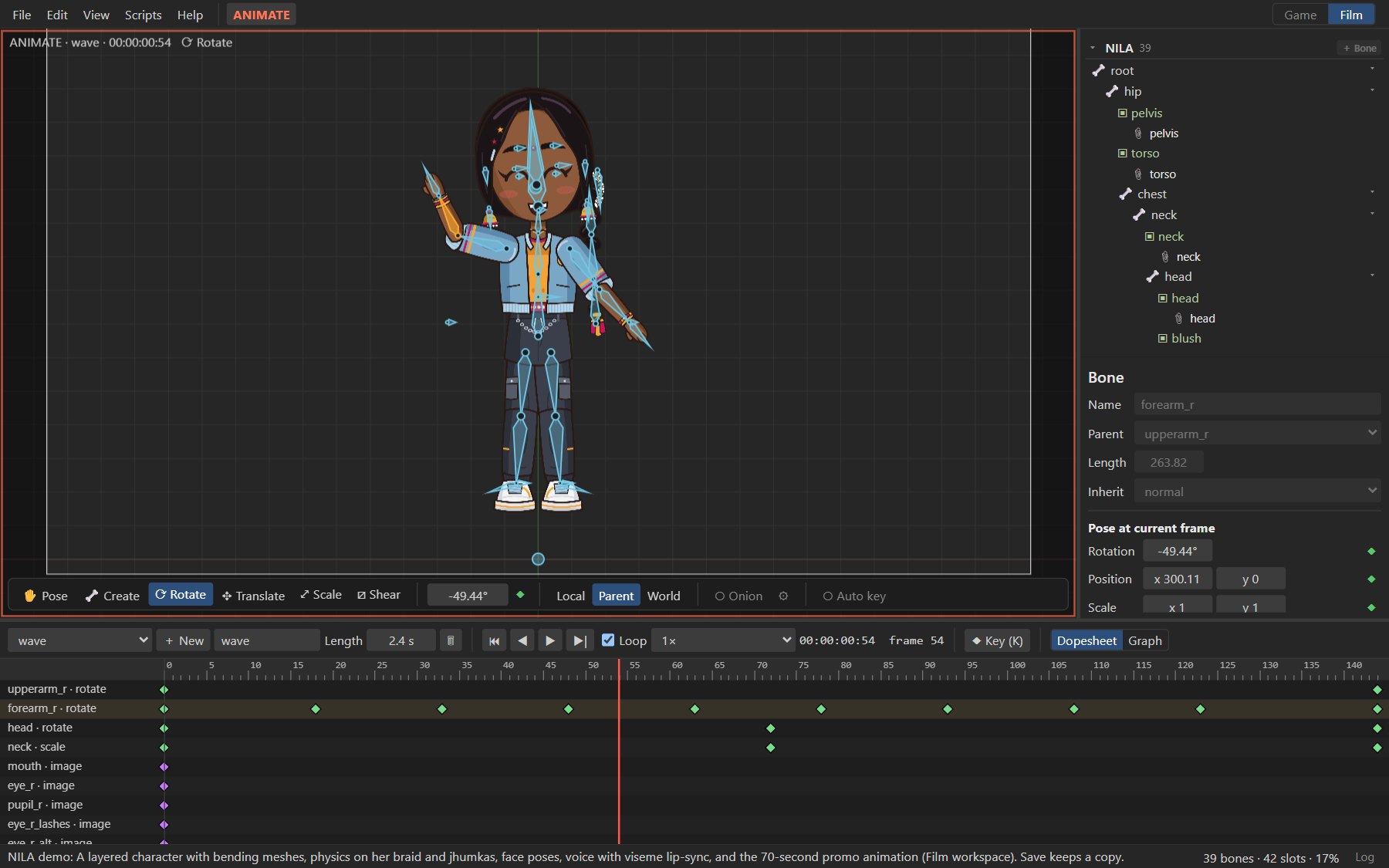
From Aseprite to a game runtime
Version 0.6 can read .aseprite or .ase projects directly; layers become parts, tags become animations and the original timing is retained. A new Ren'Py runtime turns exported skeleton JSON and atlas files into characters with expressions, lip-sync, blinking and gaze. Godot, Unity, Defold, Cocos Creator, Phaser and PixiJS runtimes remain available. Ren'Py requires version 8.3 or later, and the runtime does not read raw .rigby projects or binary .skel files.

What the AI and game pipeline can actually do
The release adds a 'rigby' command-line workflow to validate, AutoRig, convert, render and export files, useful inside CI and agent scripts. Its MCP server also gains constraint editing, so an assistant can make bounded changes to real rigs rather than only describing how to animate. Film-only effects such as snow, glow and depth of field do not carry into exported game runtimes; game teams must implement those effects separately. The editor and runtime code are MIT/Apache-2.0, but the bundled NILA and Mammoth artwork has a separate demo-content license and cannot simply be shipped in a commercial game.
Try the 0.6 release, read the developer announcement and inspect the turn-control guide.