 GAMESLASH
Agent Art 0.9.0 adds melee hitboxes, combat FX and destructible game assets for AI agents
By GameSlash
RusticStack's November 8 release makes AI-generated combat sprites more usable: per-frame melee hit data, procedural VFX sheets and breakable 3D props.
RusticStack released Agent Art 0.9.0 on November 8, 2026 (UTC; November 9 in Thailand). The MCP-based art toolkit for AI coding agents now adds melee-combat animation with hit-volume metadata, procedural combat effects, and destructible 3D props. This matters when moving from a pretty sprite to assets that can be wired into a game's combat logic.
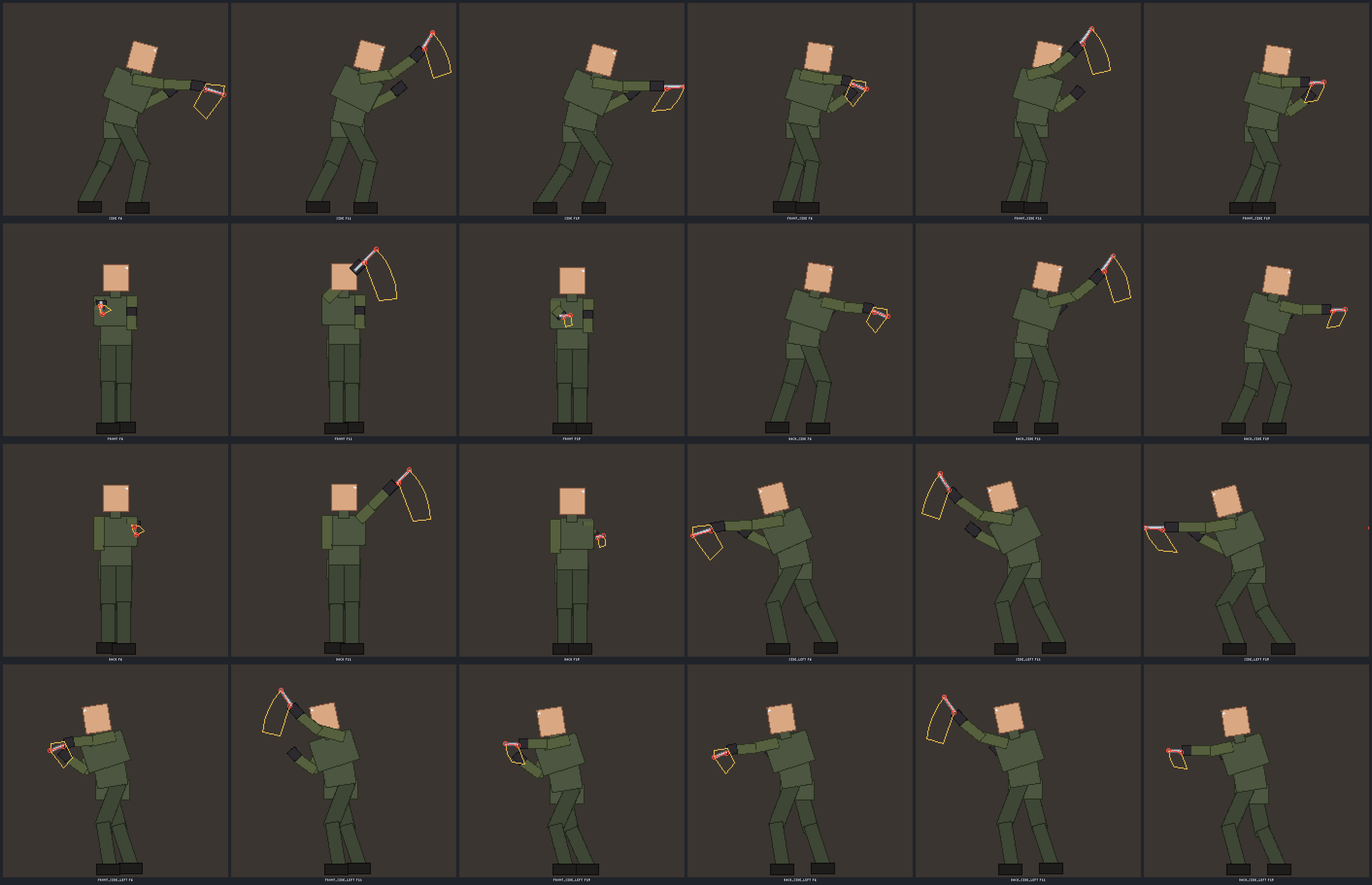
Melee animation exports data for hit detection
The 0.9.0 changelog adds `art_anim melee` clips for blocks, parries, stagger, knockdowns and paired takedowns. Exports carry windup, active, impact and recovery phases, damage type, weapon sockets and per-frame hit capsules. `melee_check` checks event order and sweep coverage, so a developer can inspect whether the contact window matches the drawn attack rather than judging the frames alone.
Combat FX and breakable scenery from structured commands
The new `art_fx` tool creates seeded pixel-art flipbooks for muzzle flashes, impacts, explosions, smoke and more, with frame rate, pivot, blending and particle-emitter hints in the export metadata. The damage workflow generates scuffed, damaged and wrecked states for props such as crates, doors and terminals; `fracture` can export separated rigid chunks with collision information.
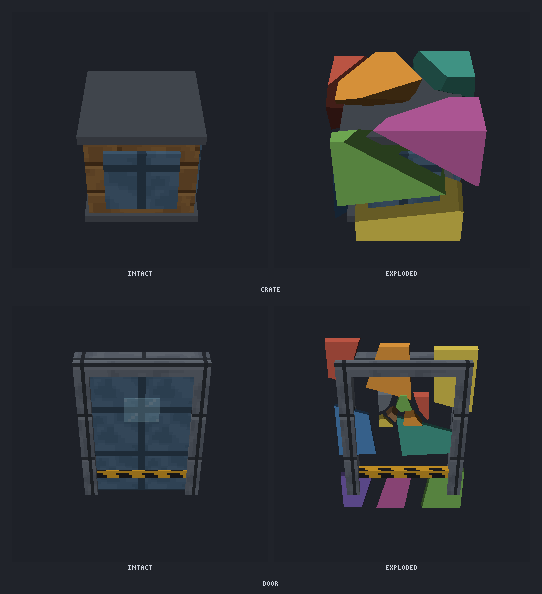
What AI game creators can do with it
An agent can produce multiple attack views and their timing metadata, export repeatable VFX sheets, and prepare destruction-state assets. A game developer still needs to connect the exported sprites, meshes and JSON manifests to their runtime, damage logic and collisions. The repository documents Three.js and Roblox usage; it does not claim a one-click integration into every engine.
The toolkit runs with Node.js 20 or later and supports MCP clients. Its documentation also warns that damage/fracture states operate on rigid meshes, not skinned models. The images above come from the author's own demo files; GameSlash has not independently run the pipeline or benchmarked its output.
Sources: Agent Art 0.9.0 release commit · full changelog · project README · license.