 GAMESLASH
SHALLOWS Built 34 Game Props with a Blender–Gemini AI Workflow in Four Days
By GameSlash
Solo developer SproutForge released a playable horror game and documented a three-stage AI prop workflow, including 34 assets and a 484,000-to-7,577-triangle reduction.
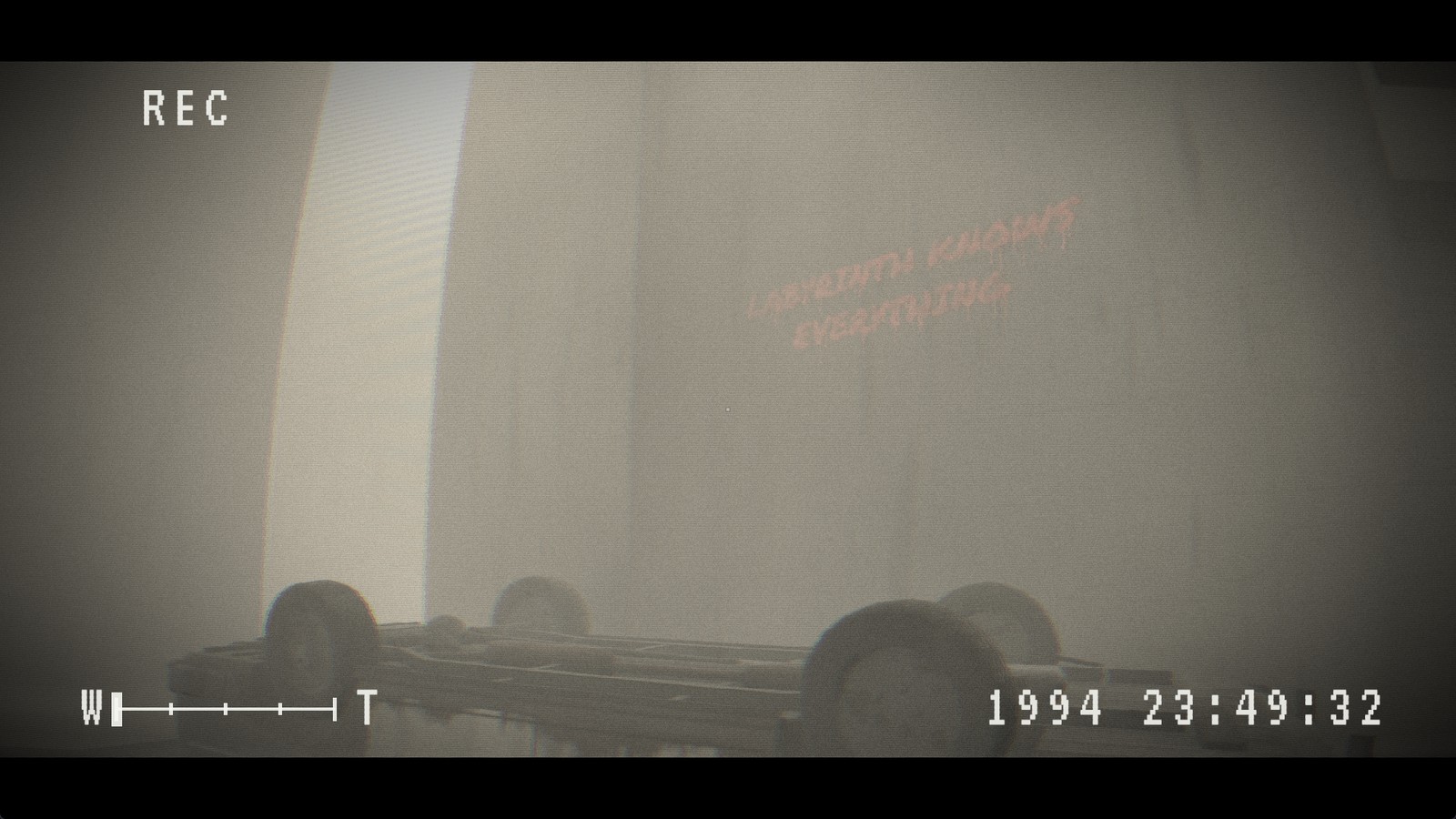
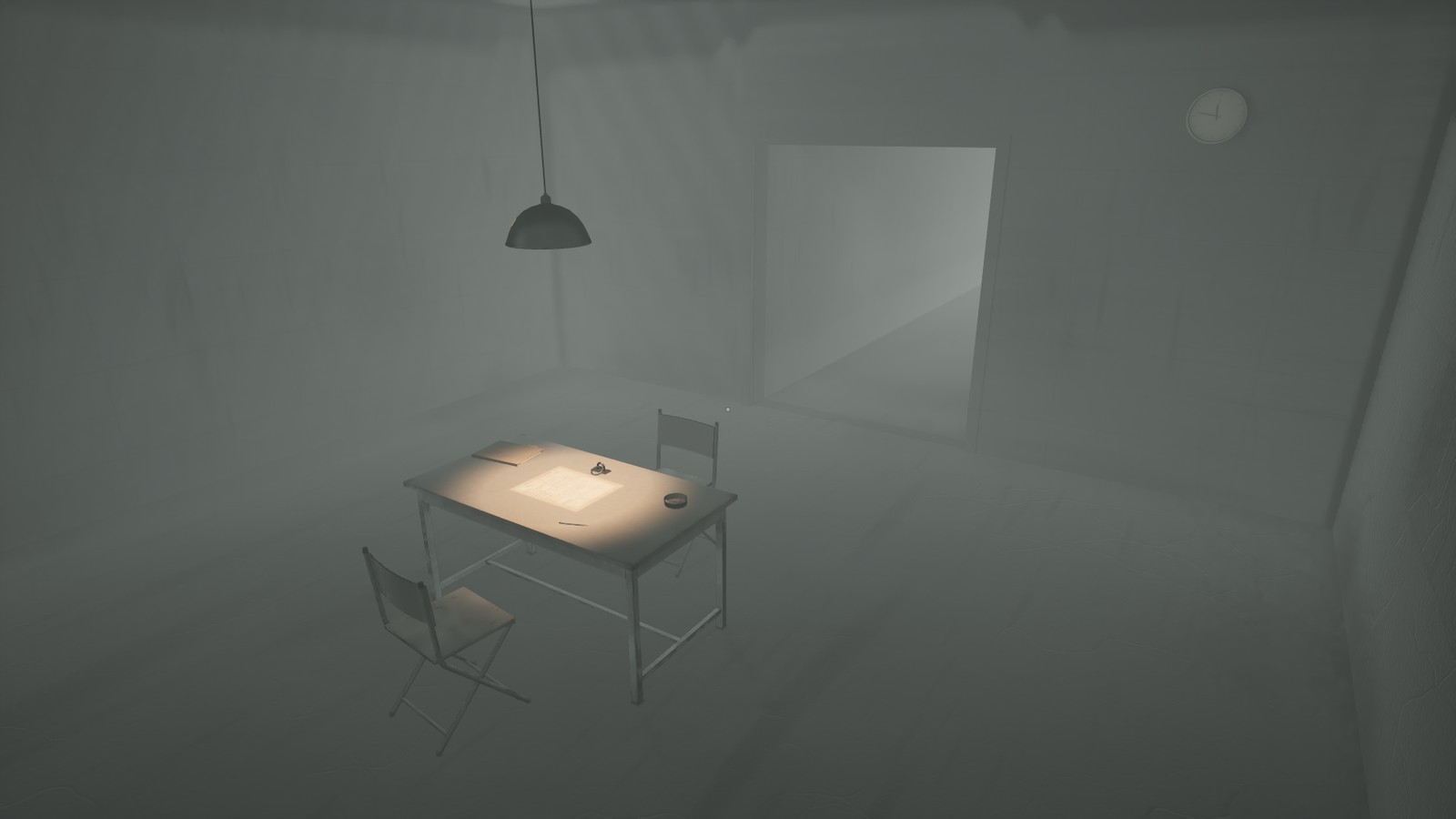
On November 15, 2026, solo creator SproutForge released SHALLOWS, a first-person horror puzzle made in four days for the 2026 Epic AI MegaJam. The playable Windows build asks players to lift a VHS camera to reveal words invisible to the naked eye, mark their route with spray paint and uncover a buried police report across three maze zones.
The repeatable 3D pipeline: rough → concept → final
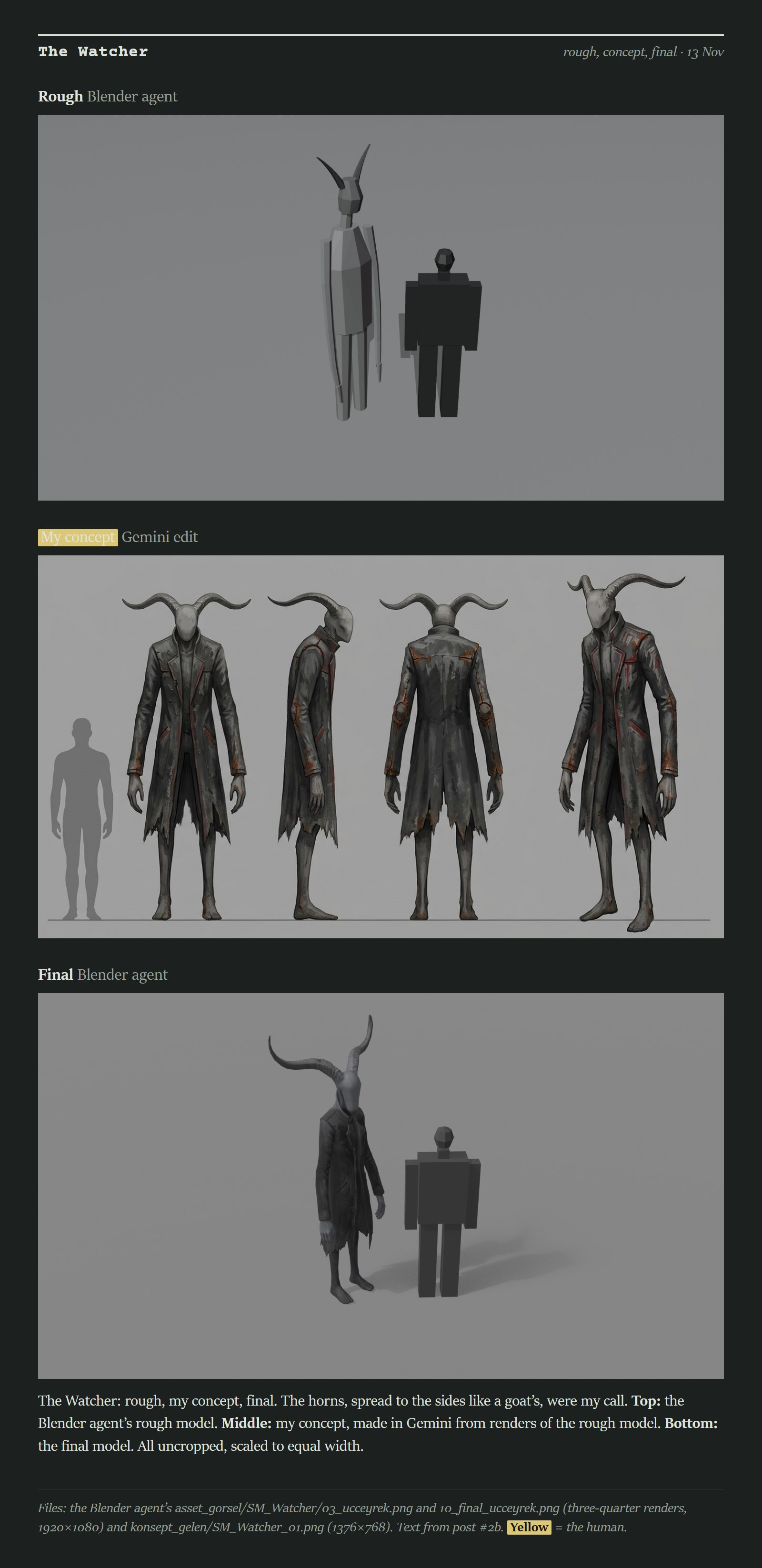
The developer's production breakdown documents 34 props built through three deliberate stages. First, a Blender agent made gray blockouts at the intended size and location; next, the creator used Gemini to design their look against the blockouts; finally, a Blender agent replaced each blockout with a finished asset. Scale came from the rough mesh, not Gemini's reference figures.
The creator reports the final modeling stage took around five hours and 45 minutes, with 28 of 34 props passing the first review and six needing one correction. A manager agent checked size and pivots within 3% of the gray blockouts while up to three background workers modeled in parallel. These are creator-reported workflow results, not independently benchmarked performance.
From 484,000 to 7,577 triangles
For the horned Watcher, the team sent the reference image to Meshy for a starting 3D model. The creator says the result arrived with 484,000 triangles; the Blender worker reduced it to 7,577, replaced UVs, baked detail and matched the 2.60 m blockout. Another asset, a phone booth, needed UV atlas changes after rounded patterns appeared on its glass during playtesting.
What game developers can reuse
The practical lesson is not that AI instantly finishes a game: block out and lock dimensions first, use images to steer appearance, give the modeling agent a measurable acceptance gate, then test assets in a playable build. The developer also describes a playtest loop in which human notes were assigned to separate agents and checked again after fixes in the day-two devlog.
The free Windows game page lists a 490 MB download and notes testing on a Windows 11 laptop with an RTX 2060 mobile GPU. SHALLOWS is a game-jam build, not proof that all assets or gameplay were independently tested by GameSlash. The source release and detailed production log are available from the creator.