 GAMESLASH
TAKE 212: two Claude agents made 13 Unreal maps; an AI that couldn't watch edited the trailer
By GameSlash
REIGEN GAMES shows a four-day Unreal MCP workflow with 91 tests and a trailer assembled by contact sheets, audio measurements and ffmpeg.
REIGEN GAMES published a detailed build diary on November 15, 2026 about creating TAKE 212, a downloadable Unreal game for the Epic AI MegaJam. Two developers directed two Claude Opus 5.5 coding agents over four days. Their reported totals are 75 Perforce changelists, roughly 40,000 C++ lines, 91 automated checks and 13 maps. The most unusual experiment: they asked an agent that could not watch or hear video to assemble the game's 60-second trailer from recordings using contact sheets and measured audio. Developer post
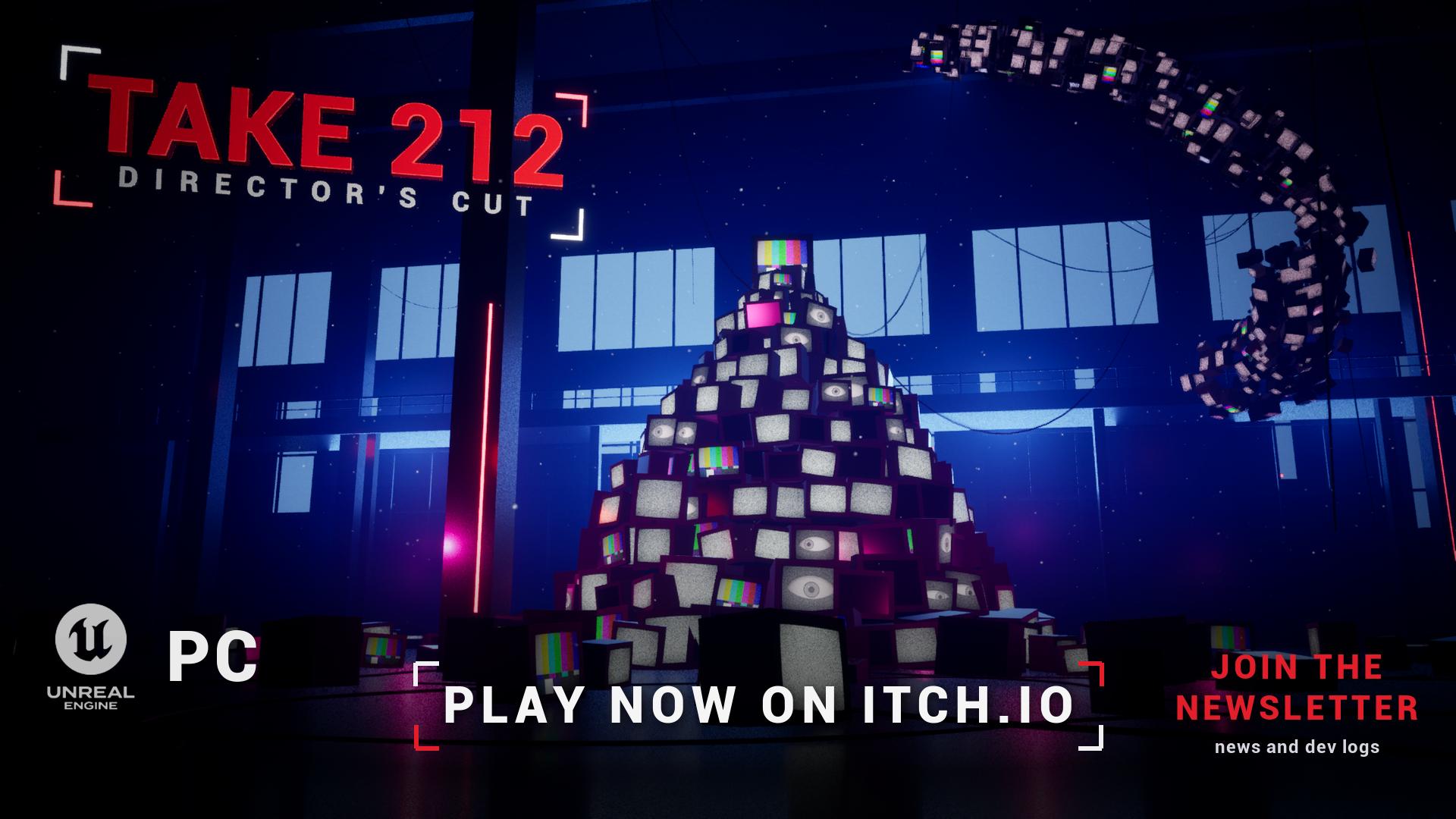
The game: switch between three cuts of reality
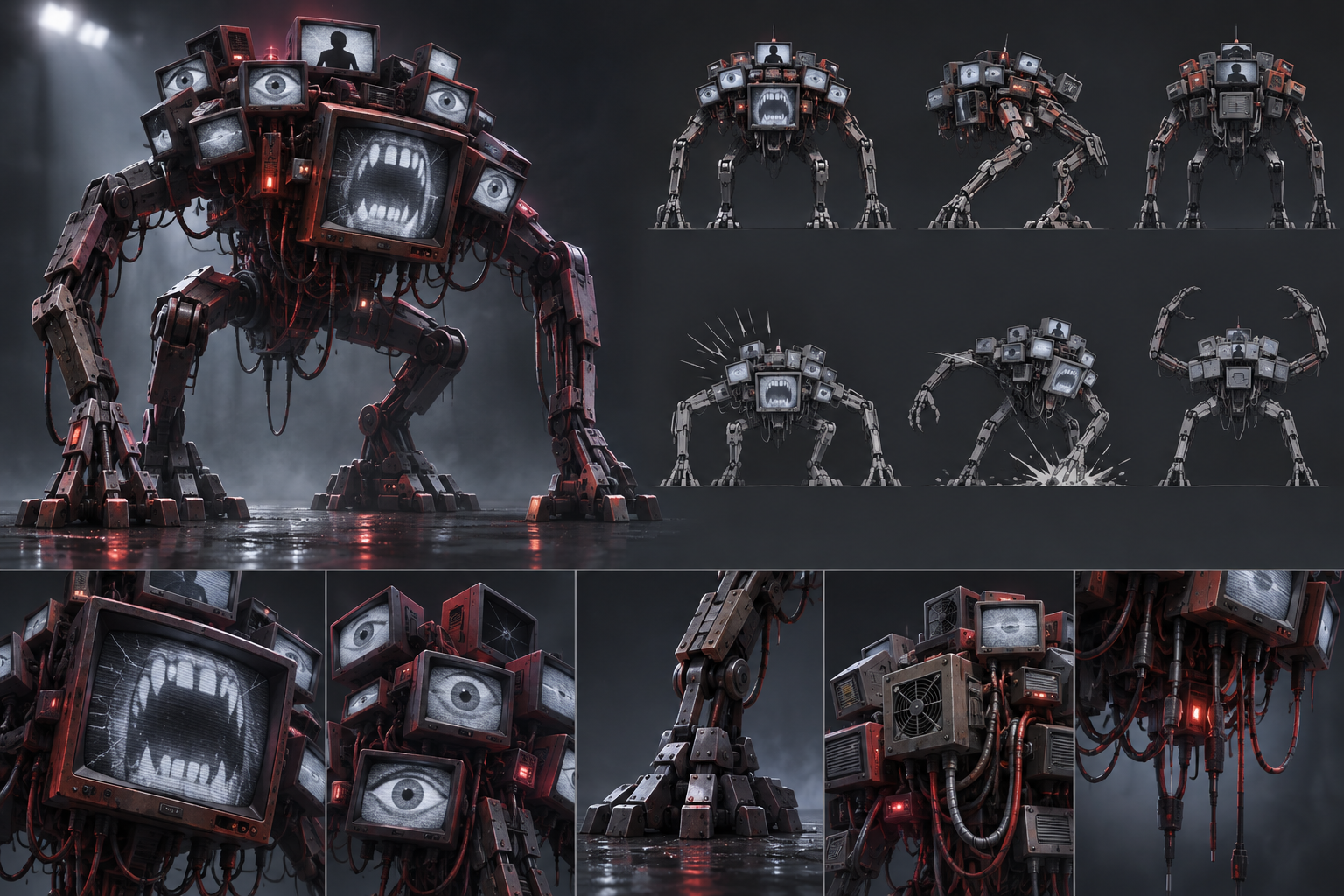
TAKE 212 is a first-person parkour game with red, green and blue versions of the same scene. Only platforms from the active take exist; each take lasts five seconds. Hold Take Vision to see the platforms of all takes at once, cut film with a blade while airborne, and rewind after a fall. A mysterious film director appears as a mass of television screens that ultimately transforms into a multi-phase boss. Play/download TAKE 212 for Windows
Two agents, Perforce and scripted Unreal levels
Each developer ran a Claude Code agent against the same Unreal Engine 5.8 Perforce project, with a rule of one feature per changelist and no submission without human approval. The agents built gameplay in C++, authored Python editor scripts to create and patch levels, and ran their own validation using console events, teleportation, screenshots and logs. Human teammates then played the result and rejected mechanics that felt bad. The creators emphasize backing up manually edited maps and encoding changes in guarded scripts rather than letting automation overwrite them. Original workflow
The trailer: AI could not see the video or listen to the music
A human recorded a roughly 15-minute playthrough. The agent sampled still frames into contact sheets to find candidate moments, measured movement and audio loudness in half-second intervals, detected music beats and transitions, then cut the trailer in ffmpeg. It placed the clapperboard sound on a musical drop and reused in-game voice lines. A human watched the assembled cut with audio before it shipped. This is a reusable pipeline for teams automating rough-cut trailers from their own captured gameplay, rather than a claim of artistic judgement by an AI that can hear nothing. Trailer production account
What the tests caught—and what still needed people
The team says its 91 automated tests and offscreen playthroughs surfaced integration errors, including a dragon boss that flew through the stationary player and pushed them out of the arena. But animation problems, jump feel and generated-level polish still required human decisions; a player animation plan was cut when agent-driven implementation failed. The developers report 26 Python editor scripts, 92 voice lines and 16 tracks. These are self-reported production figures rather than independent GameSlash benchmarks.
The author names ChatGPT for concept art, Suno for music and locally run Qwen3-TTS for the director voice, alongside Claude Code and Unreal Engine 5.8. The practical takeaway is an auditable loop: describe one feature, implement with isolated version-control changes, run tests, then play and listen before approving it. For another example of agent testing on a horror-game build, see CUT! and its 186-cut debugging case. Original sources: TAKE 212 devlog and downloadable game page.