 GAMESLASH
TAKES uses Claude Code to build and auto-test a time-loop puzzle game
By GameSlash
Released November 13 for Epic AI MegaJam, TAKES lets players replay frozen movie takes and documents agent-driven automated verification and packaged autoplay testing.
ClassNow released the Windows prototype TAKES for the 2026 Epic AI MegaJam on November 13, 2026 and pushed version 1.0.1 on November 14. Its central mechanic treats each attempt as a recorded movie take: press CUT, and a replay of your earlier self becomes part of the next puzzle. The developer's documented build process also offers a concrete example of an AI coding agent testing the full game without a human playtest.
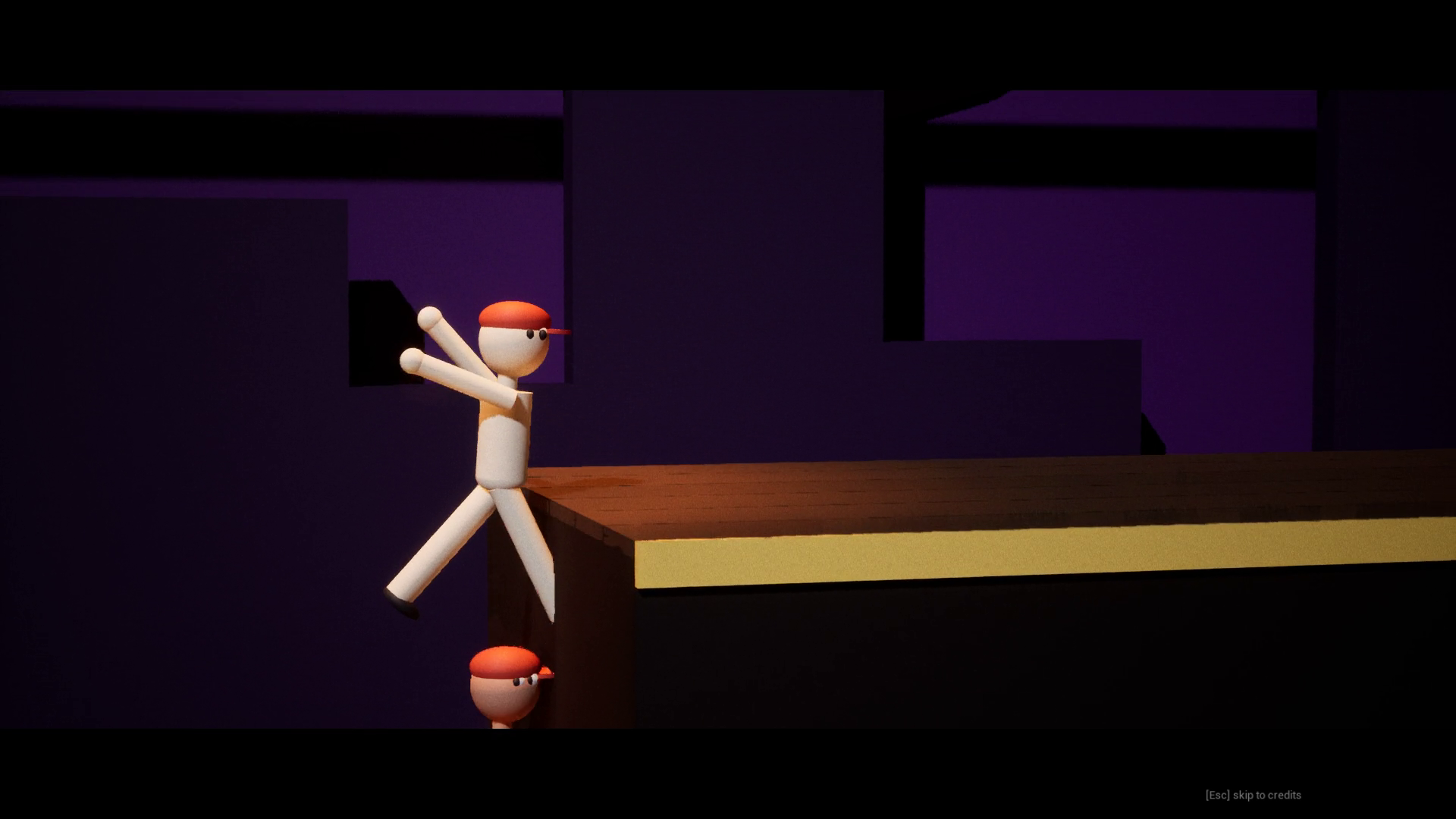
A time-loop puzzle in five scenes
Across five short movie-themed stages, the player moves and jumps, then presses C to print the current take. That earlier performance plays beside the player in later attempts and freezes on its final frame. A frozen double can hold a switch, become a platform mid-jump or help create a bridge. At the end, the game edits selected takes into a short Director's Cut film. Windows 64-bit with DirectX 12 is required; the developer supplies a downloadable prototype, not a browser game.
What the AI agent actually did
The solo developer says Claude Code authored the Unreal Engine 5.8 C++ game systems, runtime set dressing, interface text and a script that synthesizes sound and music, under their direction. Rather than rely solely on visual debugging, the team separated the game rules into a small engine-free C++ simulator. An automatic verifier exercised scripted puzzle solutions, tolerances and potential shortcuts before those rules were integrated with the 3D scenes.
The developer's November 13 Take 2 devlog describes a reproducible -autoplay switch. The packaged executable runs all five scenes, plays the final film and credits, then exits. The AI session exported every 30th frame as contact sheets and reviewed the images for unreadable HUD labels and other visual problems. One package test completed without a crash and loaded 26 sounds, according to the developer; GameSlash did not independently run the 473 MB Windows build.
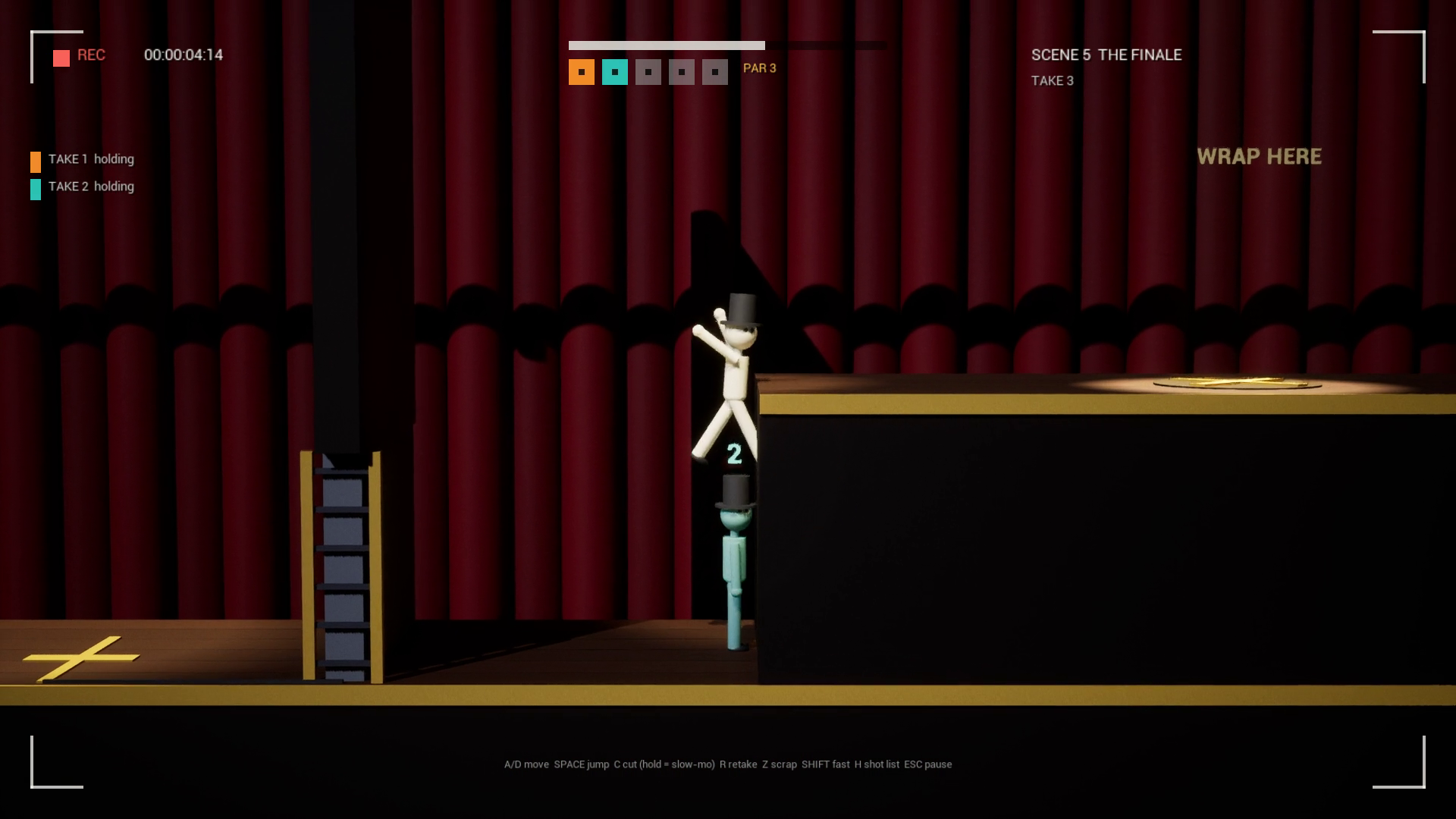
A new agent picks up where the last one stopped
On November 14, the developer reported that a second Claude Code session resumed the project from the repository, written handoff notes and contact sheets, without the first chat session's memory. It adjusted when the hint button is displayed and added a missing clue in the final level, leaving the already-verified puzzle rules untouched. The packaged version 1.0.1 then completed an 85-second unattended autoplay run covering all five scenes, the film and credits. Those details are documented in Take 3.
This is a specific workflow game makers can adapt: isolate deterministic puzzle rules from the renderer, build automated solution tests, add a packaged-game autoplay smoke test, and review sampled frames before shipping. It does not prove that no human testing will ever be necessary; user experience and difficulty still need real players.
Play/download: TAKES by ClassNow. Jam entry and controls: Epic AI MegaJam submission.