 GAMESLASH
unity-dev-skills 0.50.0 adds shared pre-review and second-pass 3D texture bake
By GameSlash
The November 9 Unity dev skills commit adds a structured pre-review spec, a second pass for missed 3D texture texels and stronger held-prop rig checks.
The Unity 6-focused unity-dev-skills repository recorded a substantial 0.50.0 update in a November 9, 2026 commit. Its Claude Code and Codex workflows now create a single pre-review specification for character auto-rigging, concept matching and game-mesh checks; the 3D texture bake also receives a second pass for missed texels. The change is documented as a repository commit, not independently verified as a separate stable packaged release.
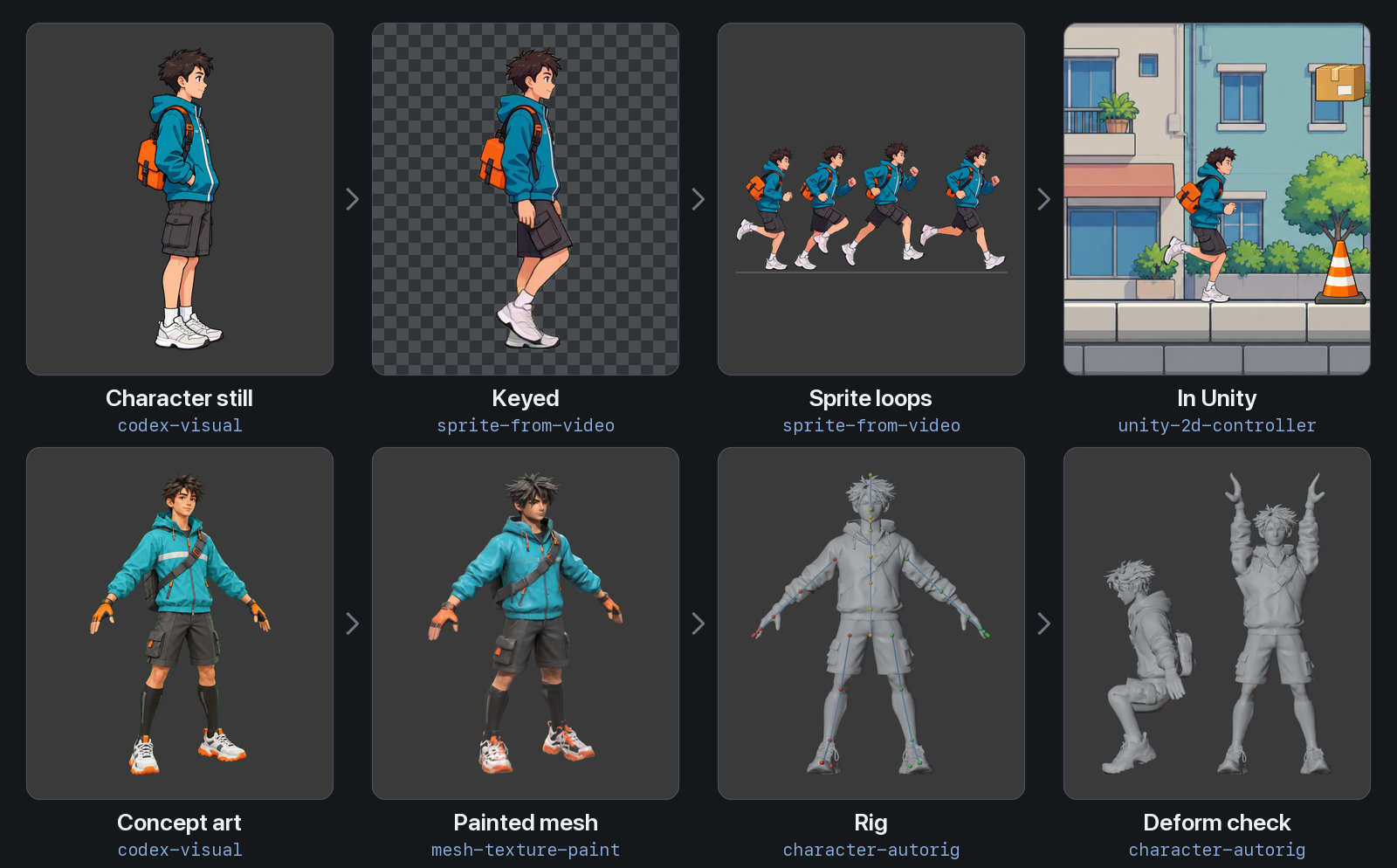
What changed in the November 9 update
The update makes several character-production gates share a structured `prereview.spec.json`. The autorig stage S6, concept-match stage S3b and game-mesh stage S5 write the requested stage, subject and checks; `prereview.py --spec` can then review them together. This lets an AI coding agent follow declared inspection requirements rather than treating a visually plausible result as automatically ready.
The `game_mesh` material-baking process now uses a second pass aimed at missed texels, while keeping the texels successfully hit in pass one unchanged. The author's example reports reducing missing bake coverage from 0.0088 to 0.0012. Those figures are from the project's own test notes, not a GameSlash reproduction.
Rig validation also checks a known failure mode involving props held beside an arm. A character mesh that improperly includes a held board or shield is refused, with a reason, rather than quietly passed into the rig stage. The refusal behavior began in an earlier change; this 0.50.0 update expands the exam's positive and negative-control cases. Narrow capes that bridge the legs from behind are additionally flagged for skirt-body handling.
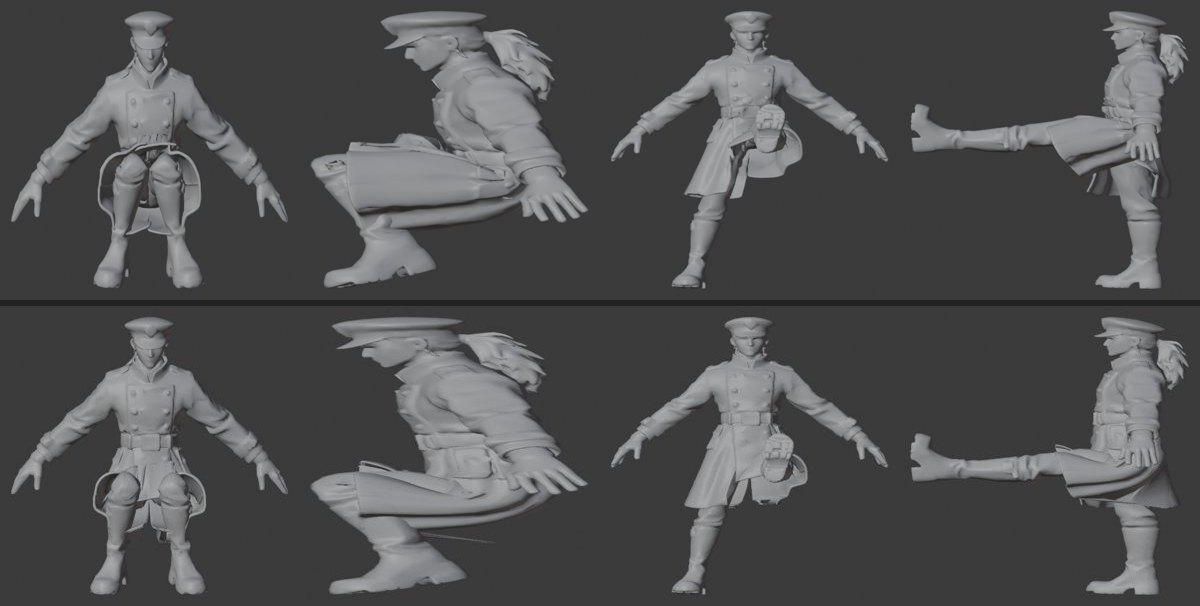
How it helps AI game-production workflows
Developers using Claude Code or Codex in a Unity 6 project can install the skills from the documented repository and ask an agent to turn character concepts into game-ready assets while enforcing checks at each stage. The newer pre-review file provides a common contract between AI-generated meshes, the auto-rig pass and quality inspection. The two-pass bake addresses holes in the final texture, while held-prop refusal avoids fragile rigs and encourages creating a separate prop asset to attach after rigging.
Requirements and source
The core set of coding skills targets Unity 6. The optional asset workflow can involve Blender, self-hosted ComfyUI and Auto-Rig Pro, which is a paid add-on requiring its own license. Nothing here means every workflow can run without those components. The official sample artwork illustrates the broader character pipeline, and GameSlash has not tested a Unity build or independently verified the author's benchmark.
Read the project README and the November 9 commit describing version 0.50.0 for implementation details.