 GAMESLASH
VileBound opens its dark-fantasy prototype and shows how three AI tools built its Unreal systems
By GameSlash
Pixel Primacy released a VileBound prototype and a November 15 development log detailing ChatGPT, Cursor and ChatGPT Work in Unreal Engine.
Pixel Primacy published a playable VileBound prototype for the Epic AI MegaJam and a detailed development report on November 15, 2026. Unlike a basic AI-assisted label, the report documents how ChatGPT, ChatGPT Work and Cursor were given distinct responsibilities in an Unreal Engine 5 project, with human review of combat rules, version control and progression tests. The studio also says some work predates the four-day jam.
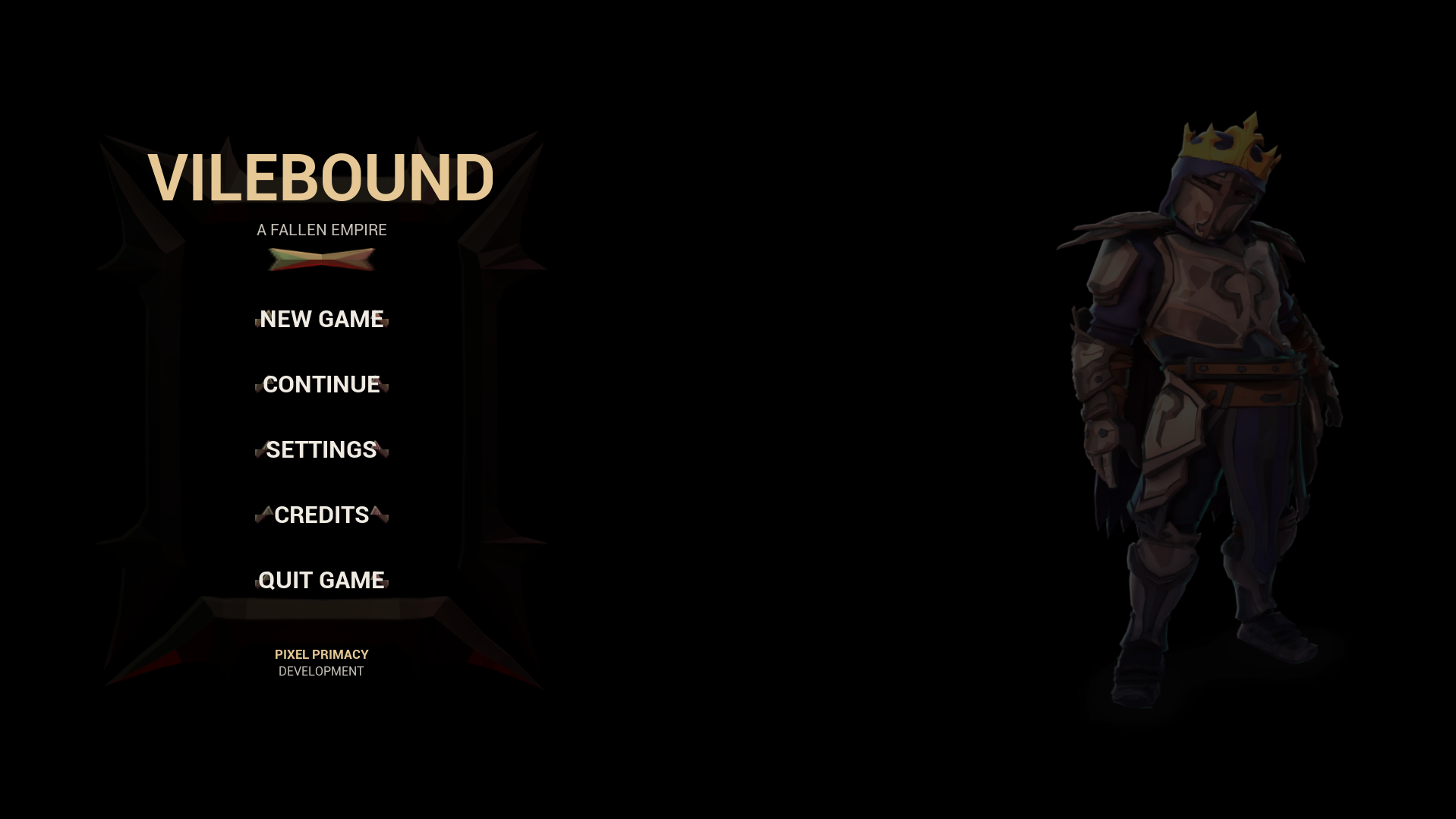
A fallen villain, sword and spell staff
The isometric dark-fantasy action RPG casts the player as a defeated villain recovering relics and power. The combat design combines right-hand sword attacks with a left-hand magic staff, charged strikes, a stamina-consuming dash and temporary invulnerability. The creator describes a specific rule: dodging or dying interrupts a charged attack, but ordinary movement does not. Its relic attunement design has ten levels with major milestones at 3, 6 and 9, plus dependencies between relics.
This is an in-development Windows downloadable build, not a browser game. The developer notes that some planned systems may not be present in the current prototype; the mechanics and implementation details are based on their published game page and Glass Box report rather than independent GameSlash playtesting.
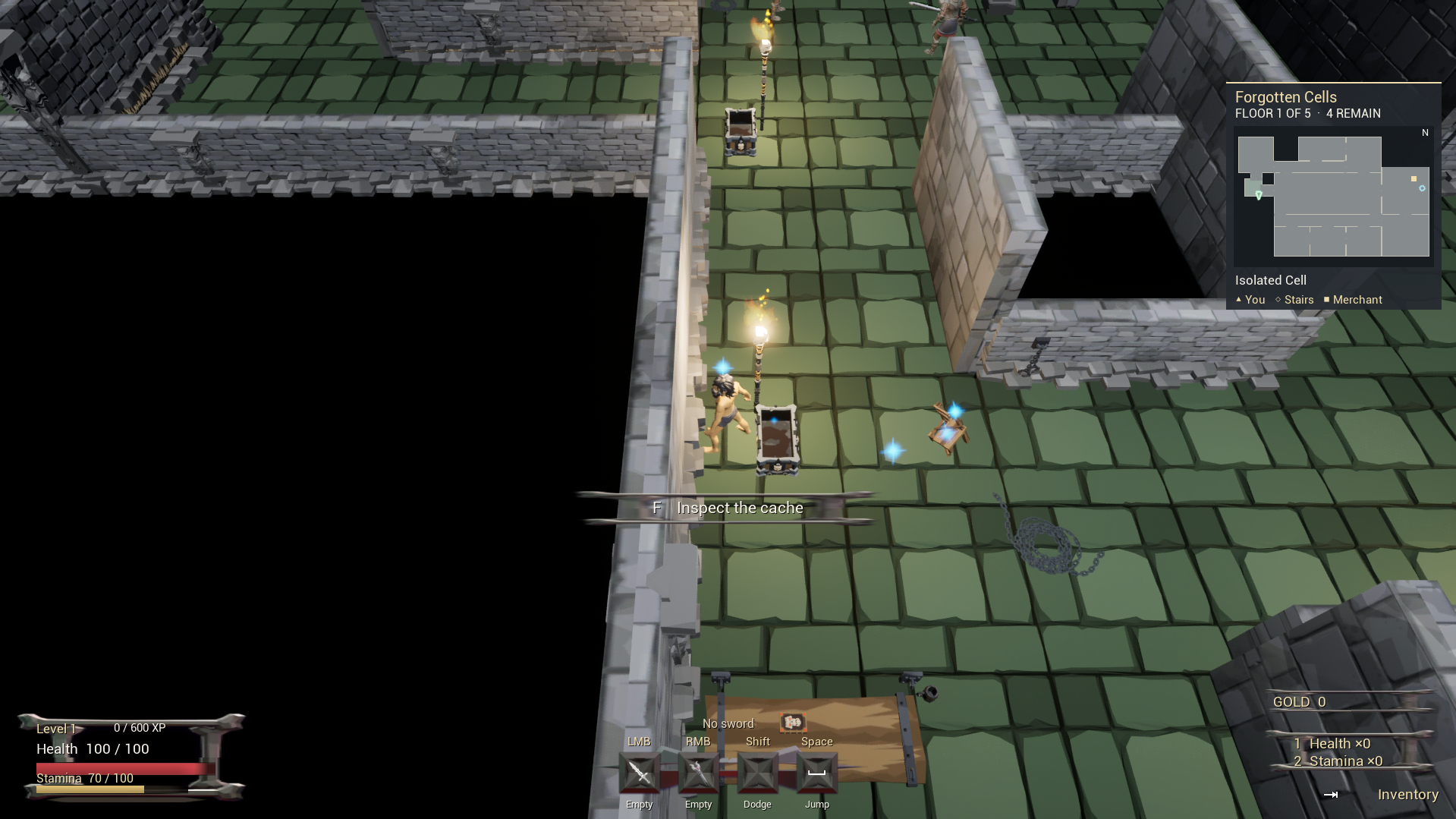
How the agents were assigned real work
In the report, ChatGPT supported game design, architecture and clear implementation requirements; Cursor handled C++ programming and technical debugging; ChatGPT Work assisted with delegated Unreal Engine integration tasks. A human project lead defined acceptance criteria, checked results inside the engine, and approved changes. Diversion version control supplied recoverable checkpoints.
The team specifically tested interactions that tend to break when agents implement systems separately: dash and charge cancellations, health and stamina state changes, and saving or loading relic experience with cross-relic unlock conditions. The workflow is practical for other developers: split each feature into explicit state transitions, test coupled systems together and preserve a rollback point before accepting an agent's changes.
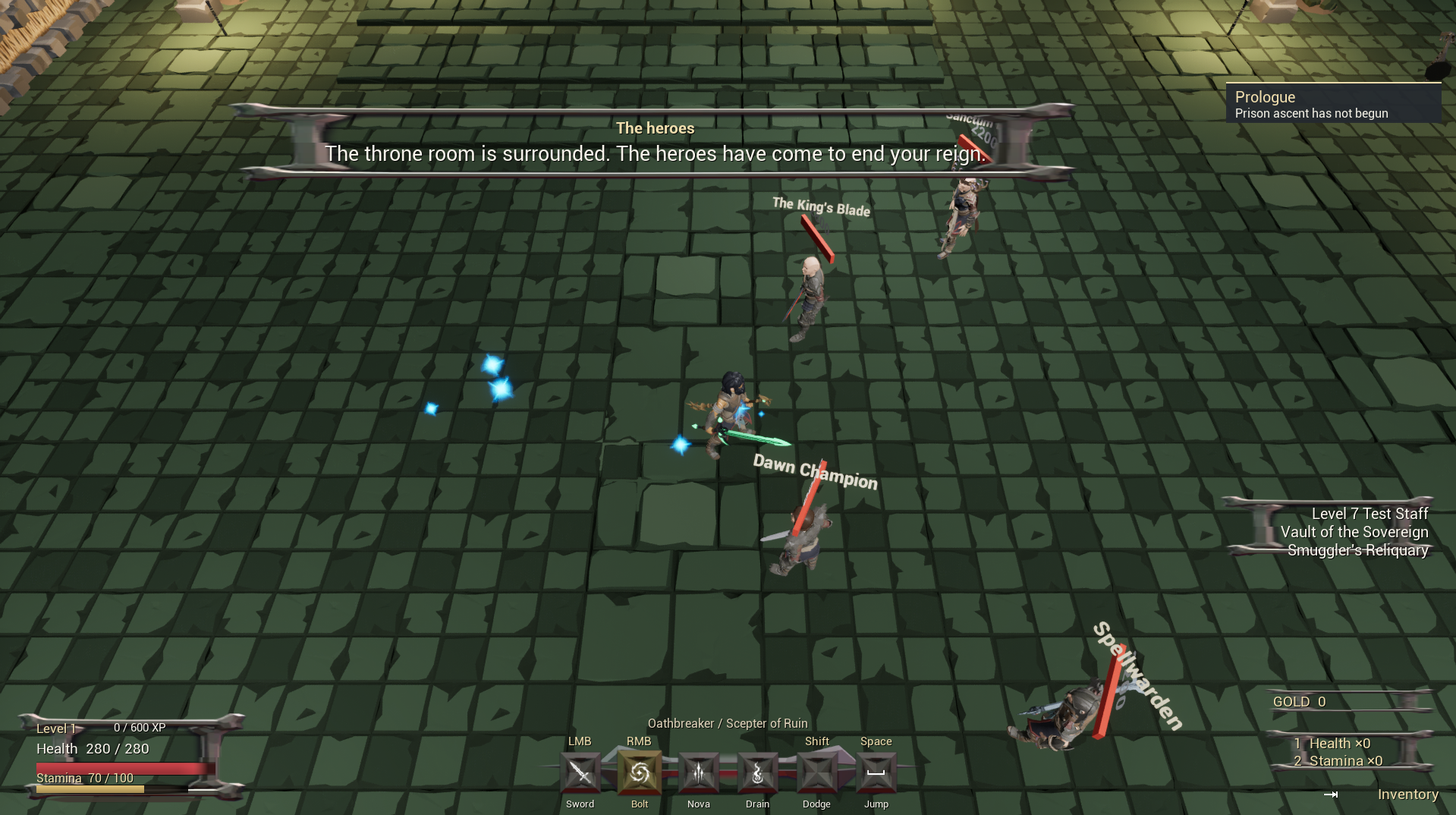
What the developers actually disclosed
The studio names ChatGPT, ChatGPT Work and Cursor as its development tools and explicitly states Claude was not used. It also credits licensed Synty visual assets and third-party music rather than describing the art as wholly AI generated. VileBound began before the November 12 jam start; the newly submitted build is a snapshot, not a claim that the entire game was created in four days.
The newsworthy element is the newly released prototype together with its concrete multi-agent development account, not the AI-disclosure tag on its own. Sources: game and download and November 15 development log. Related GameSlash report: Filmmaker's Unreal MCP production diary.