 GAMESLASH
Lullaby for a Titan launches; developer used PixelLab AI to make pixel-art assets
By GameSlash
VATEC Games' sleeping-titan idle game launched November 3. Its pixel-art characters, buildings and fonts were made with PixelLab AI then edited and integrated by the developer.
Lullaby for a Titan, an idle-resource game by VATEC Games, launched on Steam on November 3, 2026 at 16:00 UTC (around 11 p.m. in Bangkok). The developer states that its pixel-art characters, buildings, titan, icons and fonts were created with the AI pixel-art tool PixelLab, then selected, edited and assembled by the developer. AI also assisted with some translations and writing.
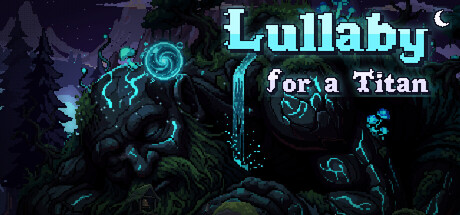
Build a village without waking the titan
The village sits atop a sleeping giant. Buildings generate Dream Essence but also make noise, making expansion a delicate balance. Music boxes, wind chimes and other calming structures help the titan stay asleep. Players can hum along with the giant's breathing to soothe it.

Exactly what did AI help create?
In the Steam AI Generated Content Disclosure, VATEC Games names PixelLab as the tool used to make pixel-art assets and fonts, followed by human selection and editing. AI assisted with translations and some writing. Music and sound are synthesized by the game's own code; the game does not generate AI content during play.
Modes and availability
Rush mode increases pressure throughout the night, while Idle mode offers a calmer endless session. The listing describes 50 research topics and 100 permanent perks. The game is available for Windows and Linux and supports seven listed languages, excluding Thai. For indie builders, this is a concrete asset-workflow example: AI-assisted pixel graphics still need consistent editing and integration with game mechanics.
Game features, release information and the developer's AI disclosure come from Lullaby for a Titan's Steam page.