 GAMESLASH
DeNA and Digital Hearts combine AI test planning with human QA
By GameSlash
DAAQ turns software specifications into test plans, with specialists reviewing the output and executing tests.
A game can be playable and still have bugs: buttons might fail, item purchases might not register, or unusual player actions might cause a crash. On October 23, 2026, Japan-based Digital Hearts announced a partnership with DeNA to launch a service that uses AI to analyze software requirements and draft test plans before trained staff check the results and carry out testing. The primary source is the companies' press release on PR TIMES.
What part of game testing does AI help with?
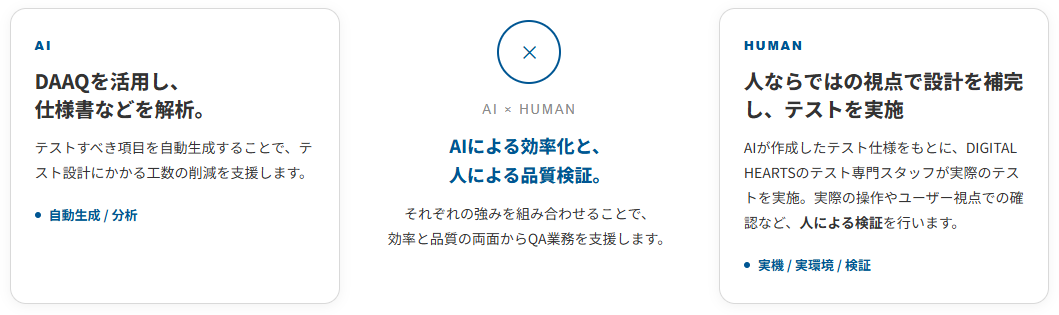
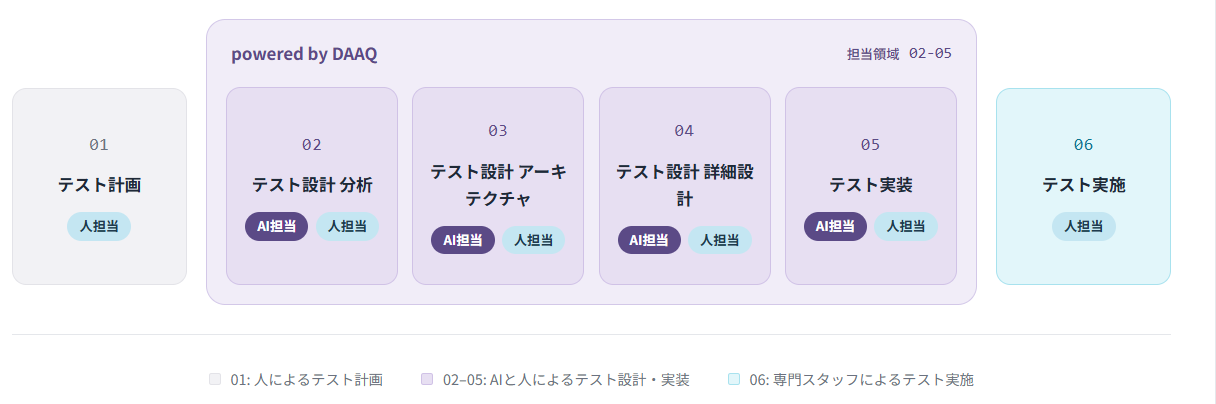
The service, AI Test Solution powered by DAAQ, uses DeNA's internally developed DAAQ tool to examine software specifications and prepare structured test cases: what should be checked and what outcome to expect. Digital Hearts specialists then review and refine those plans and conduct the actual tests. This is AI-assisted preparation, not a claim that the AI can automatically play through and certify an entire game as bug-free.
DeNA reports that, in its own internal use, the effort required for the test-design phase fell by as much as 90% in applicable cases. This is a company-reported figure, not an independently replicated result. It does not mean the whole game's development or testing time was reduced by 90%.
How can a beginner making a game with AI use the idea?
This announcement concerns a business-to-business testing service, not a free consumer app. But a small creator can borrow the workflow: describe the game's rules in ordinary language, ask an AI assistant to suggest checks for starting and finishing a level, saving progress, inventory, purchases and unexpected player actions, then perform every check by actually playing the game. A checklist can catch overlooked scenarios, but it is not a substitute for hands-on playtesting.
Digital Hearts already works in quality assurance for games and other software, while this particular announcement covers software testing more broadly. It provides neither a named game case study nor independently measured outcomes for consumer games. For the company's own description, see the original announcement.