 GAMESLASH
VibeGame helps AI build a 2D RPG prototype you can play and refine
By GameSlash
An open-source case study: use several AI agents to draft a 2D game, inspect the art and test a playable prototype, with clear setup limits.
VibeGame is a research-backed open-source project that explores making playable 2D browser games from a written brief, then editing and testing them. The README records the software release in August 2026; the team submitted its research paper to arXiv on October 22, 2026. This article examines that workflow rather than announcing a new October software launch. Read the original repository and the technical paper.
Why it is more than asking AI to write a game
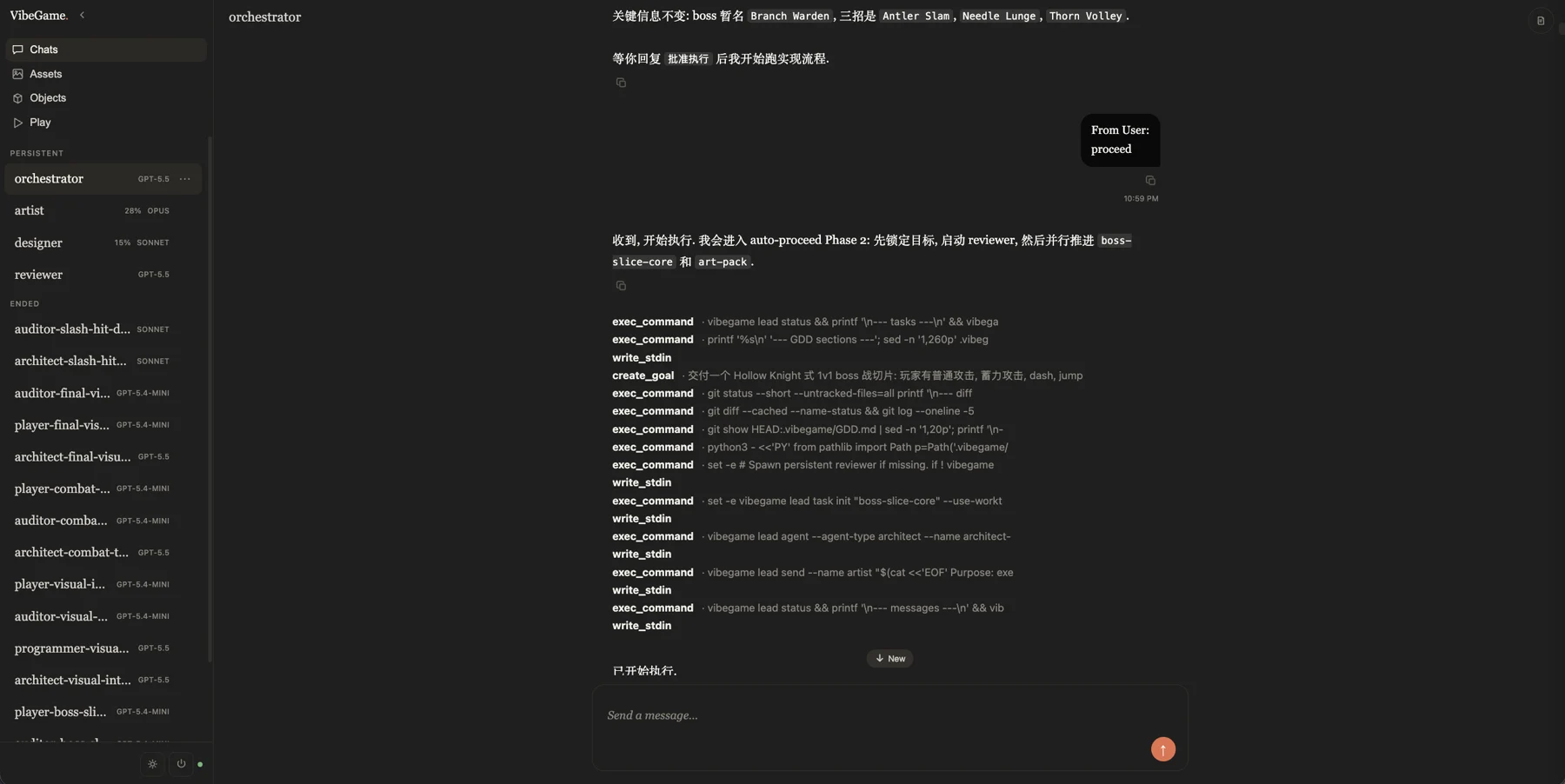
The project's workflow coordinates agents and a Phaser-based 2D game engine, with a dashboard for chat, assets, object properties and play previews. A creator can request a game, inspect the results and refine parts rather than treating generated code as a finished product.
According to the developers, the framework supports Claude Code and Codex. Setting it up still requires a computer, Python 3.12 or newer, uv, tmux, an agent CLI and terminal commands. Review the project's permission and hook settings before trying it: its Claude integration uses a permission-skipping mode. Keep experiments isolated from sensitive files. It is not a fully no-code game builder, and successful results vary by project.
Look at the working examples before copying the approach
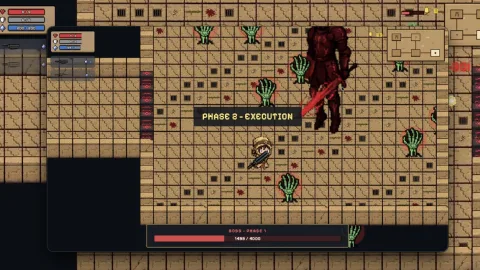
The developers show several game prototypes, including a dungeon roguelike. Their demo gallery lets readers compare the idea with visible results; the screenshot below is a small preview provided by the team rather than gameplay we independently recorded.
What beginner creators can learn
Treat game creation as a cycle: describe one small mechanic, produce a playable build, try it, identify what feels wrong and adjust character movement or assets. The repository demonstrates separate chat, editing and play views for this process. Start with a single room or combat encounter before planning a complete RPG.
The project documentation lists Godot, Unity and full 3D generation as future roadmap items, not current supported output. See source, setup notes and demo gallery.
Review the project license separately from rights in reference images and generated game assets.