 GAMESLASH
Pixelbolt 0.13.0 adds animal gaits and follow-through tails for AI-assisted game sprites
By GameSlash
The November 7 release expands pixel animation with four-legged walk, trot and gallop templates, responsive tail motion, and more reliable breakable effects.
The open-source Pixelbolt 0.13.0 release was published on 7 November 2026 at 23:48 UTC (8 November, 06:48 in Thailand). It adds walk, trot and gallop animation templates for four-legged creatures, follow-through motion for tails and scarves, and fixes for breakable pixel-art objects. These are additions to its code-driven game-sprite pipeline.
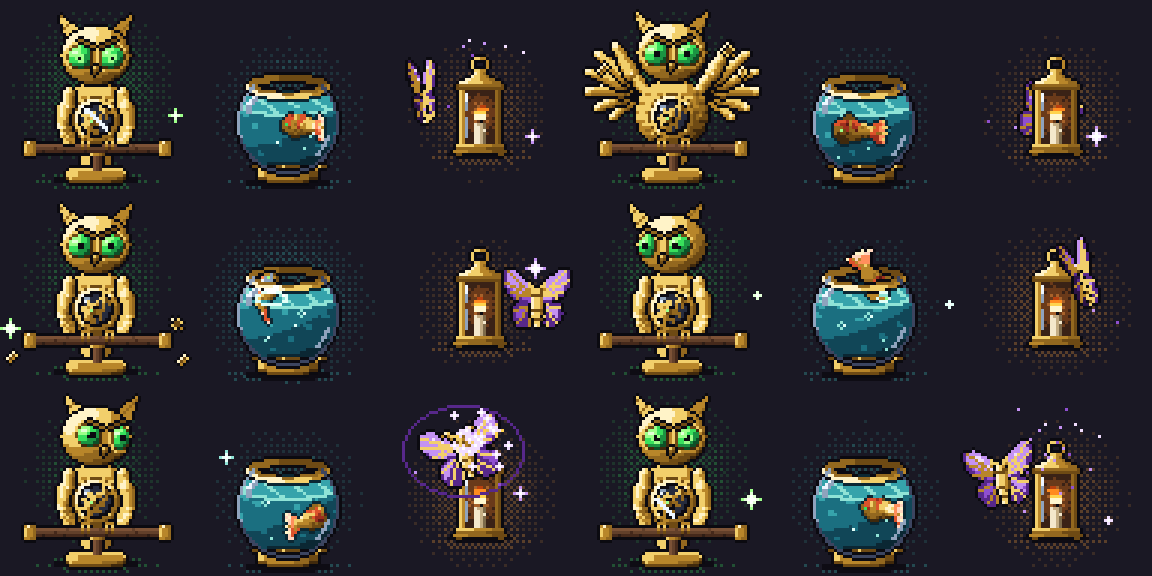
How the character animation changes
The 0.13.0 rigs distinguish front and hind legs using rig.fore and rig.hind. Walk uses a four-foot step order, trot moves diagonal pairs, and run uses a gallop with airborne moments. rig.tail now uses damped follow-through so an accessory can respond to running, jumping, landing, attack and recoil. Its follow parameter ranges from 0 to 2, while loops are checked at their seam.
This matters to game creators using coding agents: instead of repeatedly asking an image model to redraw a character, the agent can revise a JSON rig, recompile a motion, inspect frames and export the sprite asset. Generated animations still require checks for foot contact, direction, pivot and game hitbox timing.
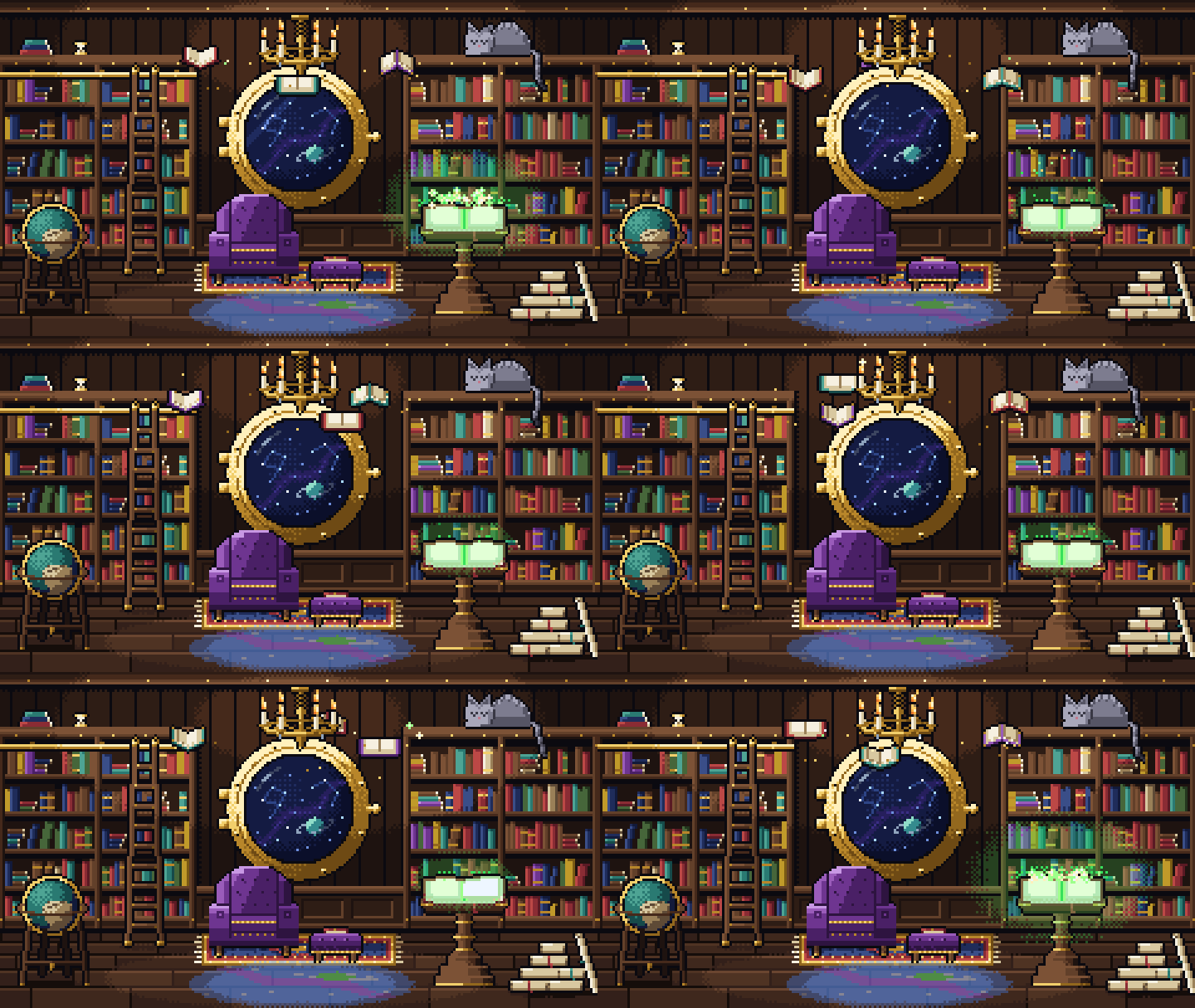
Breakable-object fixes and limitations
The release improves compilation of objects that split into fragments and warns when fragment limits truncate a break sequence. This can help when authoring crates and debris sprite effects, but it is not an in-engine physics simulation. The package runs with Node.js 20+, with CLI, an MCP server and agent skills; GameSlash has not independently tested v0.13.0.
References: GitHub Release · Changelog · source code.