 GAMESLASH
Ephemera 0.7.1 Adds Real Terrain Geometry and Basalt Formations to Its Claude-Built Space Sandbox
By GameSlash
The October 18 release replaces flat-looking nearby ground with geometric rocks, basalt columns and smoother slopes, with performance figures reported by the developer.
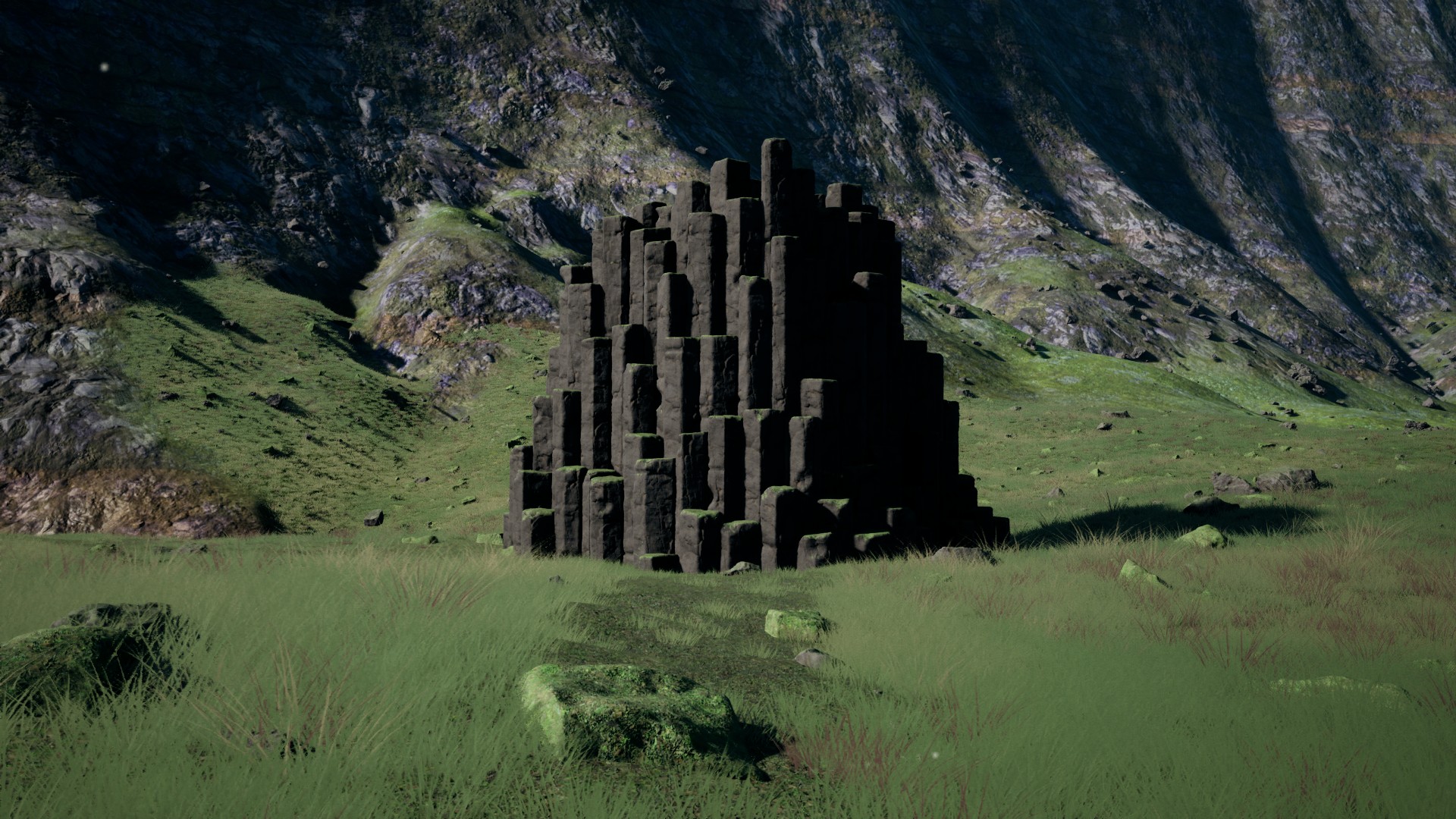
Ephemera version 0.7.1 arrived on October 18, 2026, with a notable terrain-rendering change. The Unreal Engine 5.8 planetary exploration project, developed with Claude Code, now builds real nearby rocks, ledges and slopes instead of relying mainly on flat ground triangles with surface textures. The developer detailed the changes in the official 0.7.1 release notes.
Basalt formations and terrain you can walk up to
The update adds worn columnar basalt formations with five- to seven-sided columns and mossy tops. The team also changed near-camera terrain so rock outcrops rise from the ground and cliff faces have actual ledges at normal gameplay settings. These are developer-released screenshots, not footage captured by GameSlash.
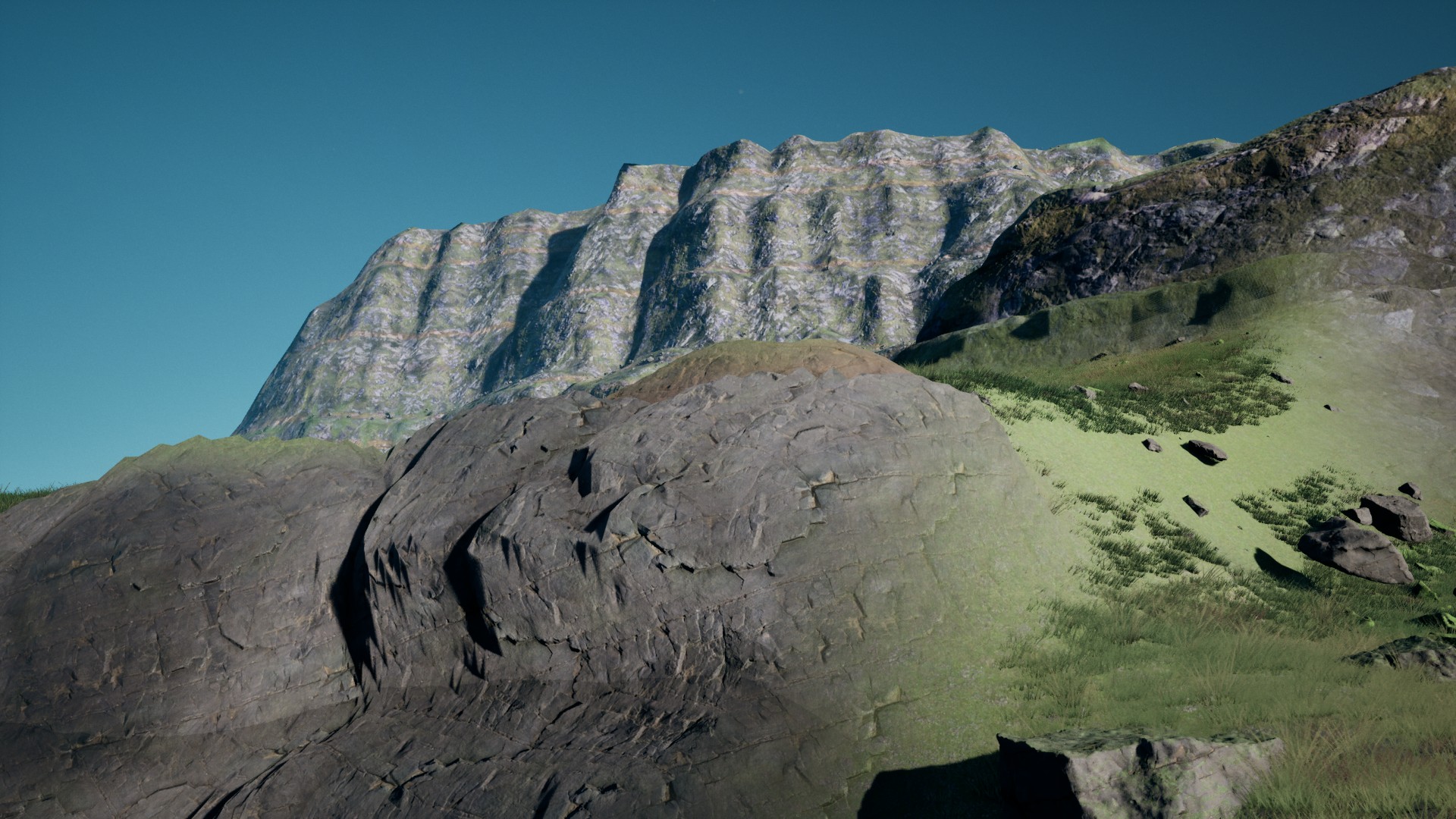
Previously, parts of the nearby landscape looked flat despite the detailed material textures. The new version gives the rocks visible volume, smooths rolling slopes and removes conspicuous creases along the former eight-metre terrain grid.
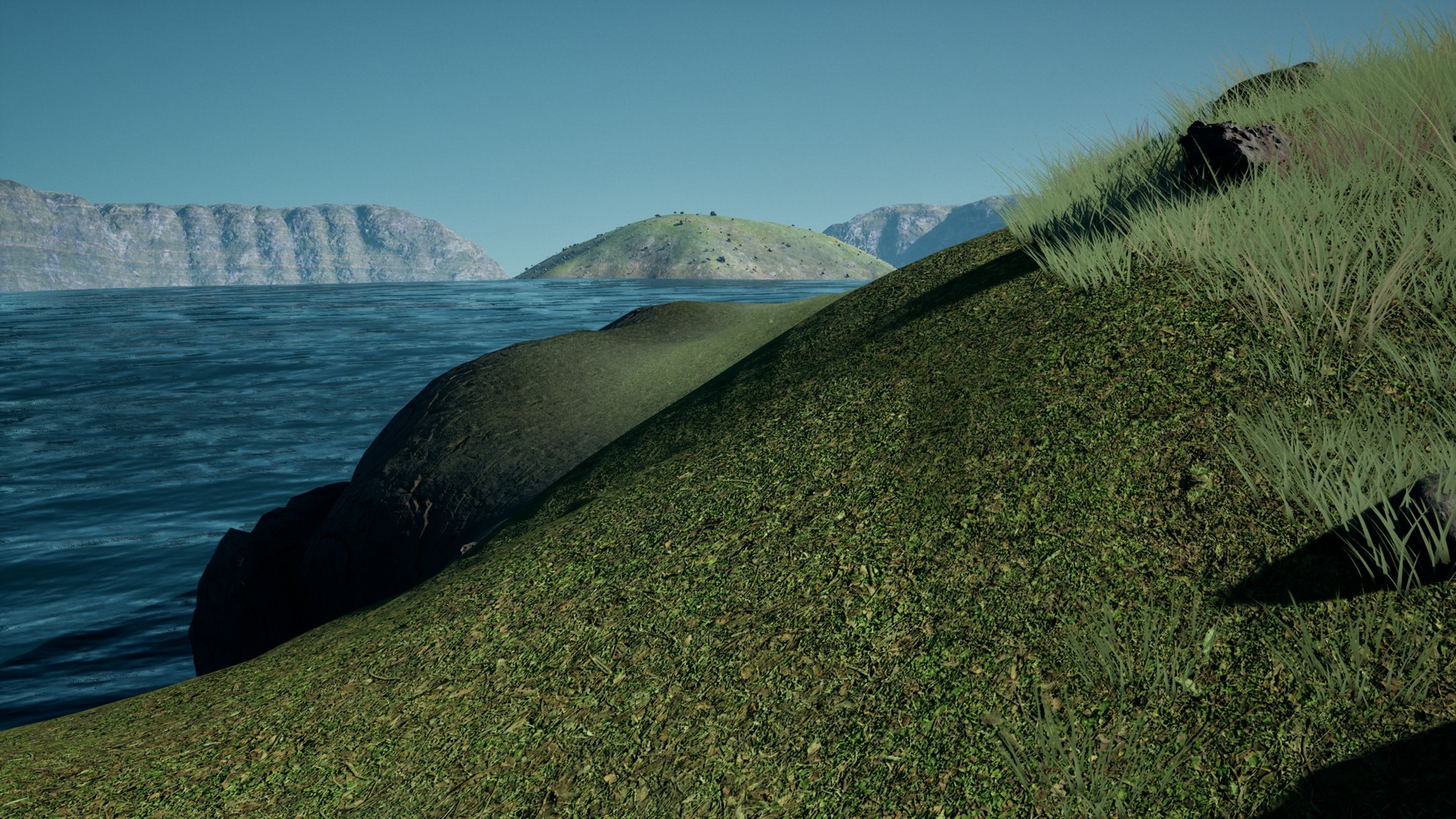
Better geometry, but a measurable performance trade-off
According to the developer's own RTX 3060 test at native 1440p, the terrain change adds roughly 4 milliseconds per frame and lowers the reported frame rate from about 56 to 46 FPS. These numbers are developer measurements, not independent GameSlash benchmarks. The game's settings also offer DLSS for supported NVIDIA RTX cards.
What the project currently offers
Ephemera is still a walking-and-flying sandbox focused on its planetary environments rather than a complete mission-driven game. Players can explore Dawnhollow on foot, use a jetpack and fly towards its moon. The Windows release requires a DirectX 12-capable GPU; installation uses both an EXE and a matching BIN file, and the publisher notes that the installer is unsigned. Check the publisher and release checksums before running any downloaded executable.
The source repository is published under an MIT licence and credits CC0 surfaces from Poly Haven. For another recent example of a game produced with Claude, see GameSlash's Strike Twice report.