 GAMESLASH
kiln adds smooth 3D geometry, baked AO and rig export for code-built game assets
By GameSlash
November 6 code updates bring smooth shading, subdivision, baked ambient occlusion, transparent materials and skeleton export to the open-source kiln 3D asset pipeline.
On 6 November 2026 at 18:31 UTC (7 November in Thailand), kiln added smooth shading, subdivision and baked ambient occlusion to its code-defined 3D game assets. A separate same-day change also added bevelled primitives and a skinned-skeleton export option. These are implementation changes in the open-source project, not a claim that kiln itself first launched on this date.
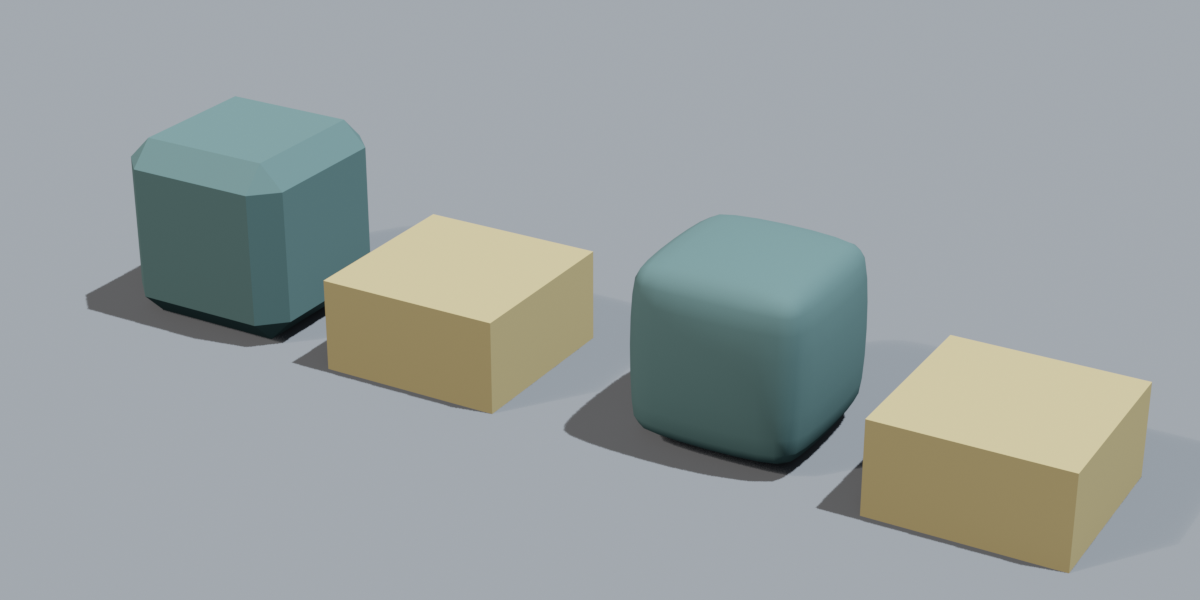
From blocky prototypes to softer, game-ready GLB geometry
kiln describes 3D scenes in JavaScript-flavoured .kx.js asset files and exports GLB for Godot, Unity, Unreal and Three.js. In the November 6 change, the new smooth shading path creates welded, indexed geometry and weighted normals while preserving sharp edges according to crease angle. The subdiv() operation can further round meshes. Baked per-vertex ambient occlusion is stored in COLOR_0, helping artists preview contact shading without separately painting every texture.
For an AI-assisted pipeline, an agent can modify a primitive's crease angle, subdivision count and material settings in source code, rebuild the asset and compare the result in the viewer. This is a concrete inspect-edit-build loop, not a demonstration of a generative image model or a ready-made game.
Transparency, rigs and the remaining integration steps
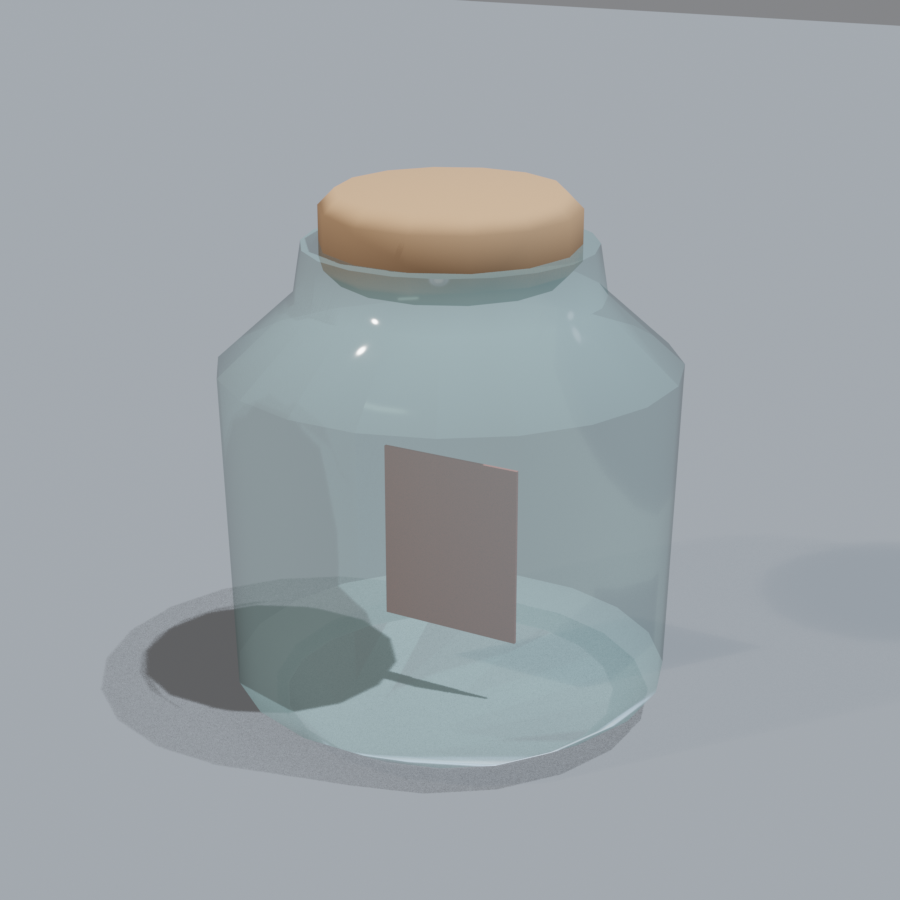
The release also adds alpha-blended and double-sided material controls. An earlier commit on the same day introduced a skeleton export option with skinned geometry, expanding the kinds of character props the tool can prepare. Neither feature eliminates engine-side checks: review imported material transparency, skin weights, normals, shading, animation compatibility and collision meshes in your own target engine.
Why this matters for creators building with agents
Unlike simply asking an AI to draw a finished 3D picture, an asset stored as code allows targeted revisions and version control. One practical test is to define a low-poly prop, create a smooth-shaded variant, export each as GLB and compare silhouette, material rendering and performance in Godot or Unity. The project documentation provides the implementation and images, but GameSlash has not independently run the export.
Sources: smooth/AO commit · rig/bevel commit · kiln README · MIT terms.