 GAMESLASH
NVIDIA releases MotionBricks for real-time character motion from target poses
By GameSlash
A look at MotionBricks’ interaction editors, bundled human and robot models, and the hardware and licensing details game developers should check.
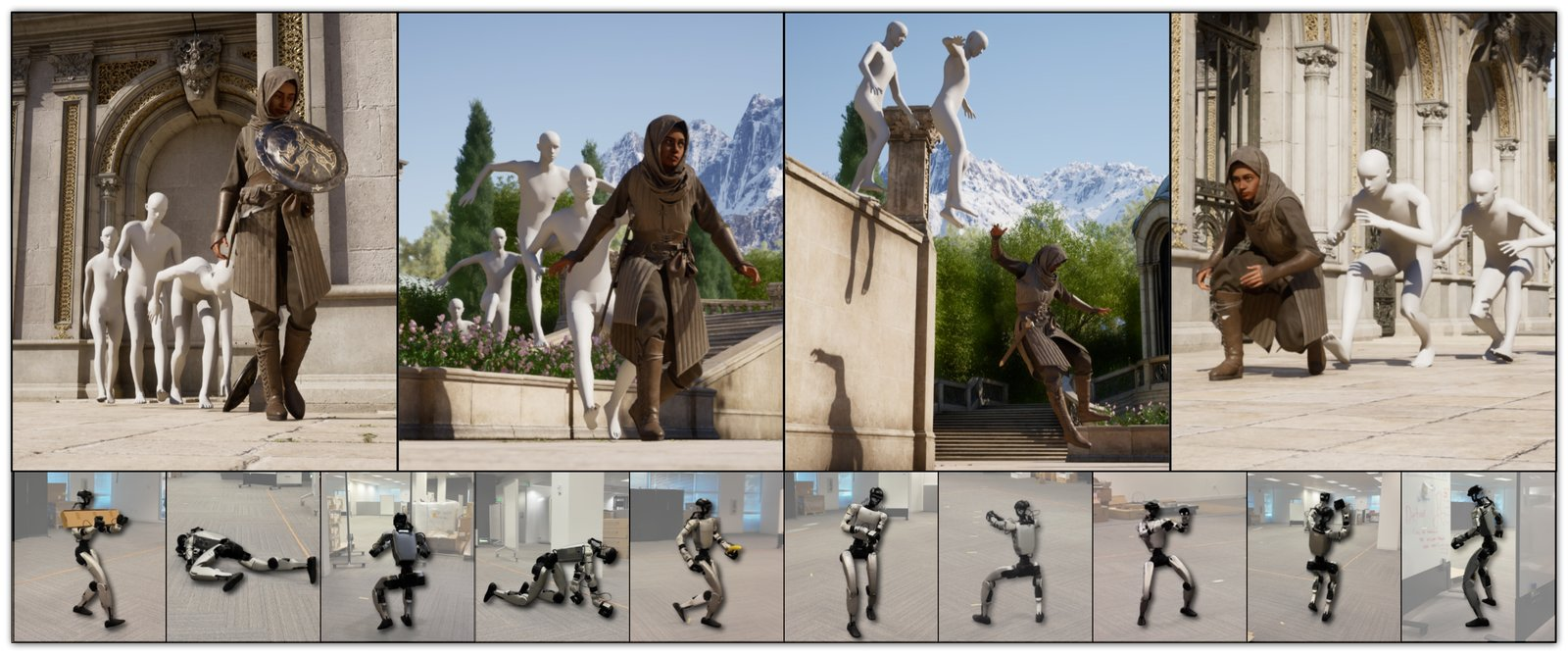
NVIDIA has made MotionBricks available in its own repository, including pretrained models for SOMA human characters and Unitree G1 robots. The project turns a small set of target poses into continuous motion, with examples aimed at interactive character animation. The official repository includes a Python runtime, demos and editors.
Build interactions from target poses
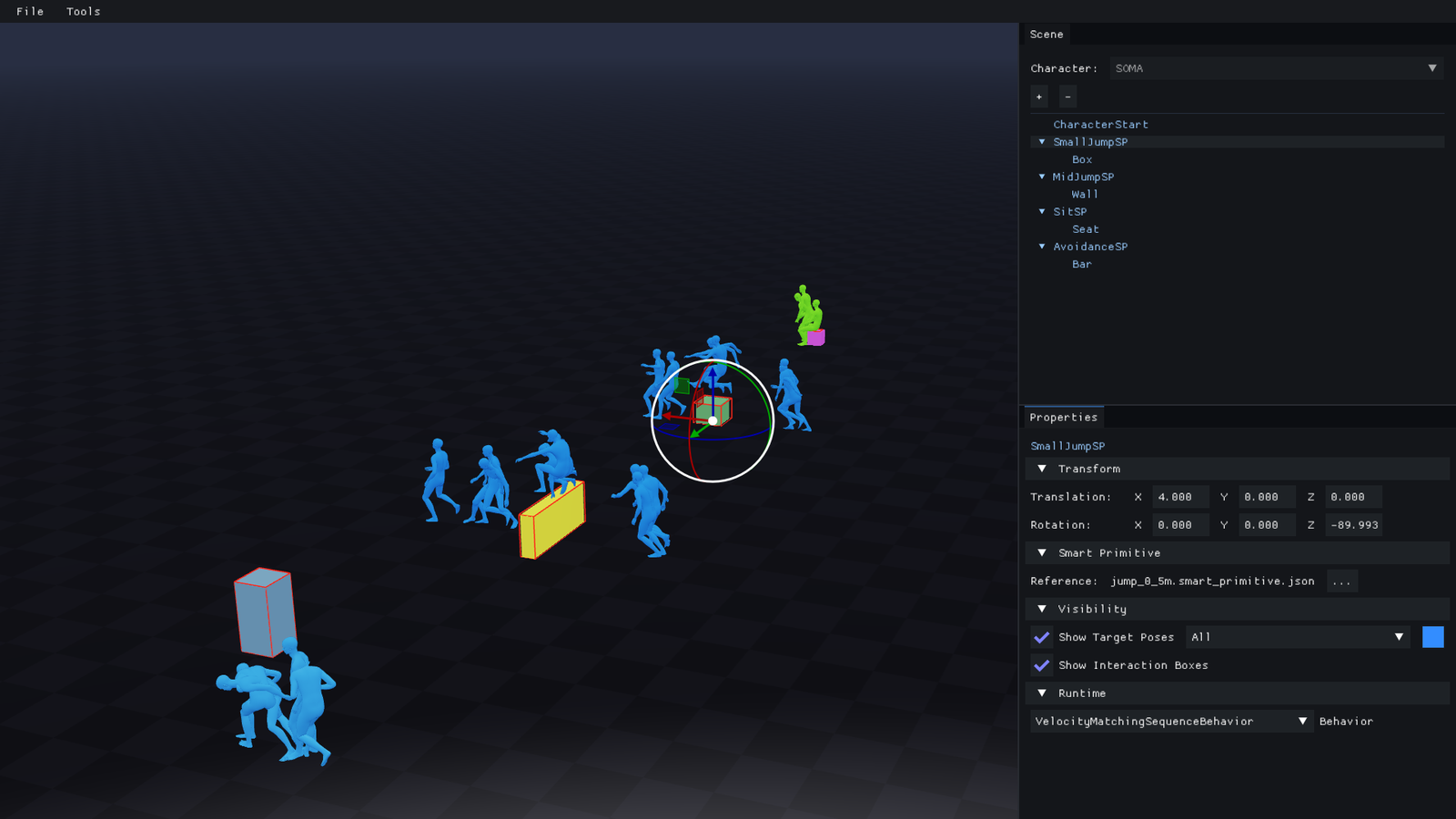
MotionBricks takes four recent poses and up to four target poses, then generates the transition between them. Chaining those transitions produces longer sequences. Smart Primitives package target poses around objects, allowing actions such as vaulting and sitting to be combined without retraining the model.
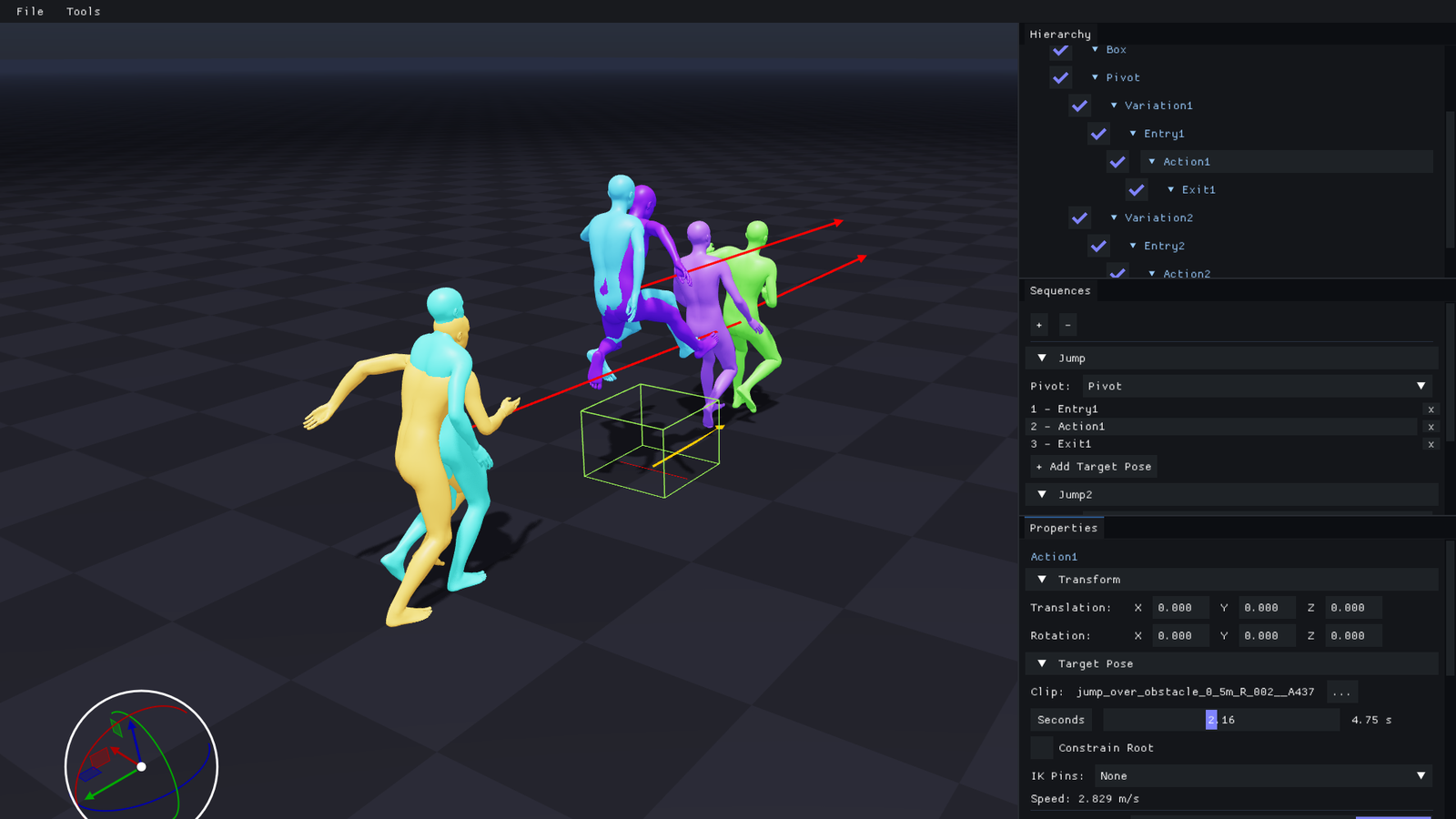
For game developers, the useful distinction is control: an application supplies the targets, while the model fills the motion between them. The included Scene Preview demonstrates walking, running, crouching and object interactions; the Smart Primitive Editor and Scene Editor let developers author those interactions and scenes. These are starting points for integration, rather than a finished game-engine plug-in.
NVIDIA GPU required by the supplied runtime
The supplied runtime uses TensorRT and requires an NVIDIA GPU. NVIDIA reports testing the demos on Windows and Linux x86-64 with an RTX 4090; that test configuration does not establish a minimum GPU specification. Pretrained ONNX models are bundled with the repository.
Code, models and sample clips have separate terms
Code is released under Apache 2.0, while models use the NVIDIA Open Model Agreement. Sample motion clips have separate evaluation terms, so developers should check the relevant assets before including them in a shipped project. See the repository’s license breakdown.