 GAMESLASH
OpenWorld open-sources an AI-native RPG with a world that learns from player actions
By GameSlash
Explore a world of 1,024 maps, fight bosses and ask a smith for new items. OpenWorld shares its game, engine and editor on GitHub.
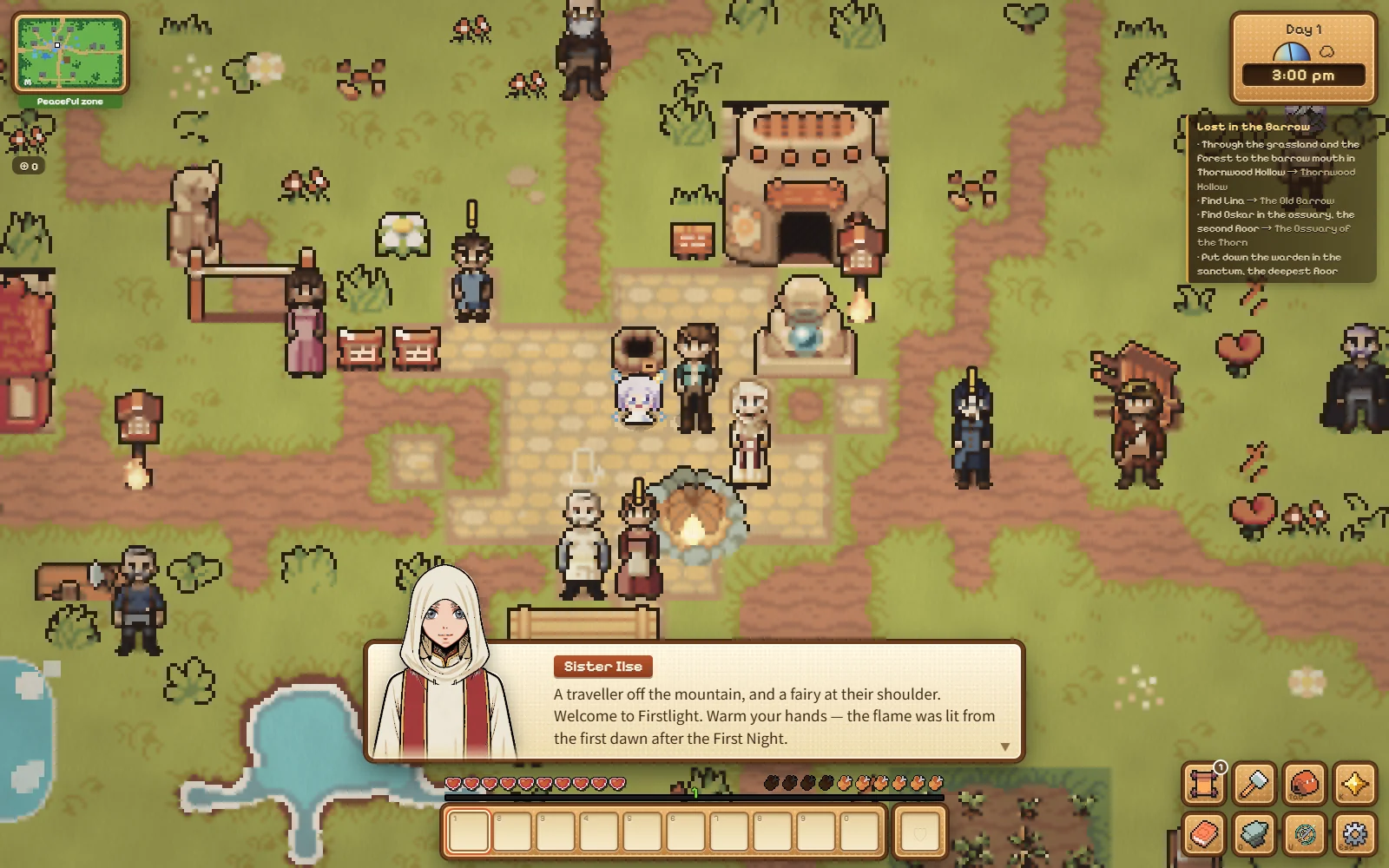
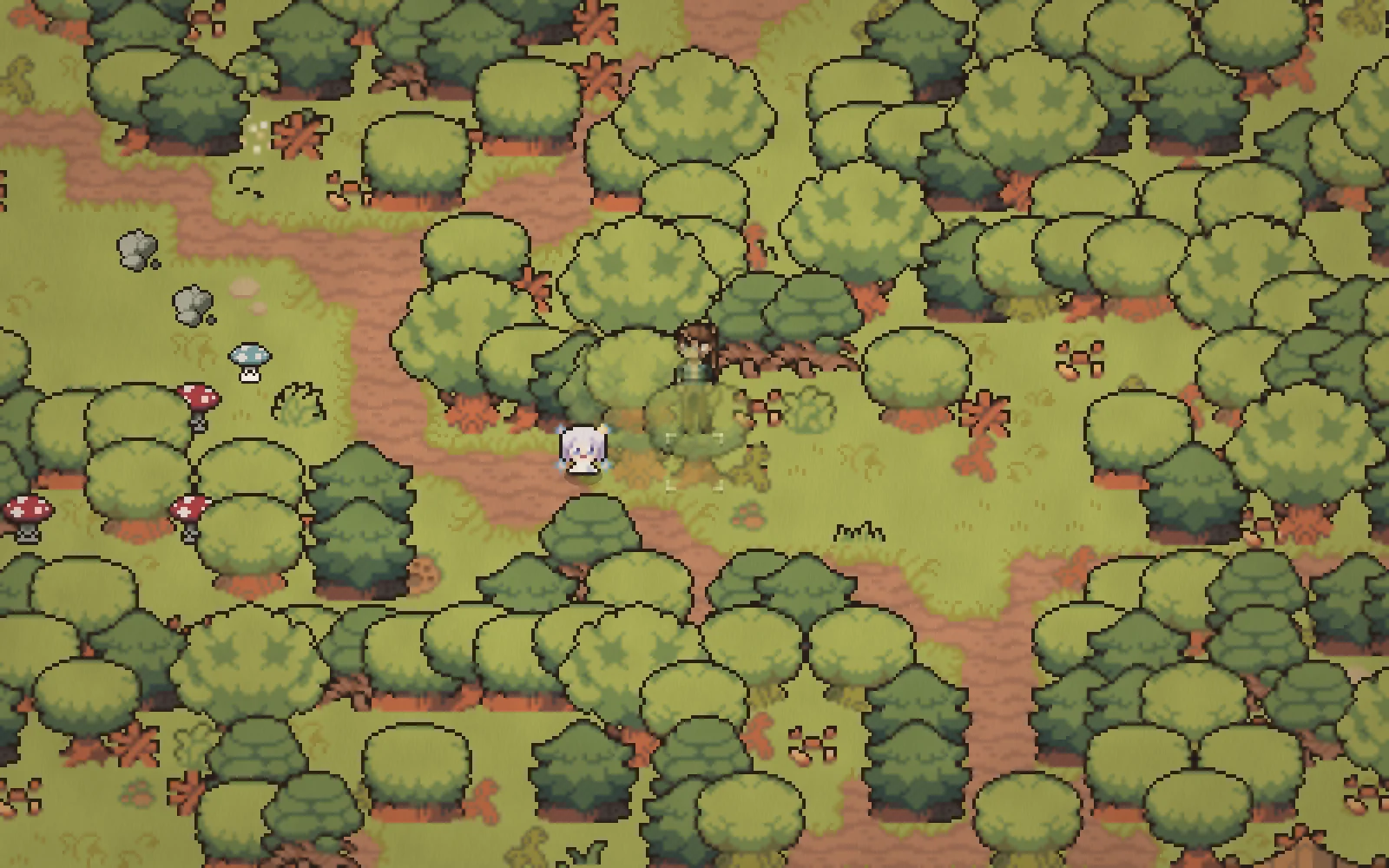
Sihan Xu announced the open-source release of OpenWorld on October 30, 2026. The browser-based pixel-art RPG combines exploration, combat and item interactions with a system that lets a language model propose outcomes for actions the game has no rule for yet. Accepted results become rules for future encounters.
According to Xu’s announcement, the world contains 1,024 maps, 1,654 inhabitants across 780 households, and 40,562 items in 1,013 categories.
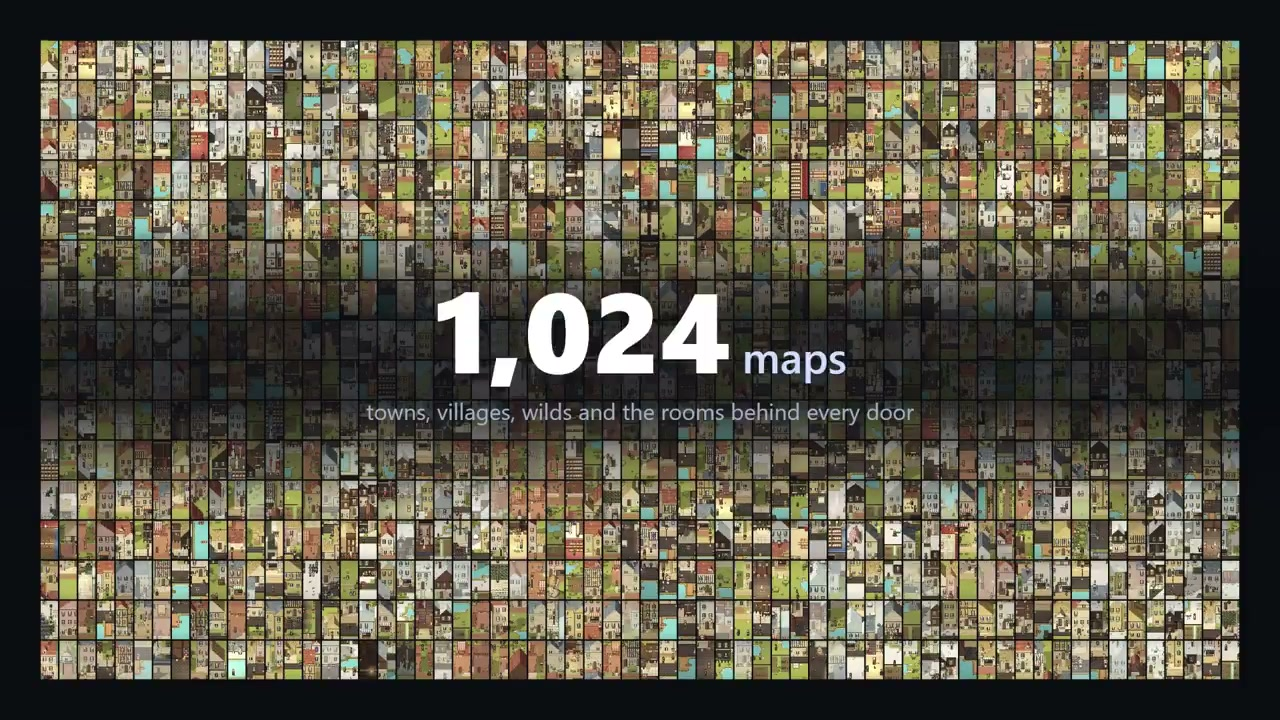
Explore, fight bosses and meet the locals
Alongside its AI systems, OpenWorld has real-time combat, quests, farming, crafting and building. Inhabitants have homes, jobs and daily routines, giving players people to meet as well as places to explore.
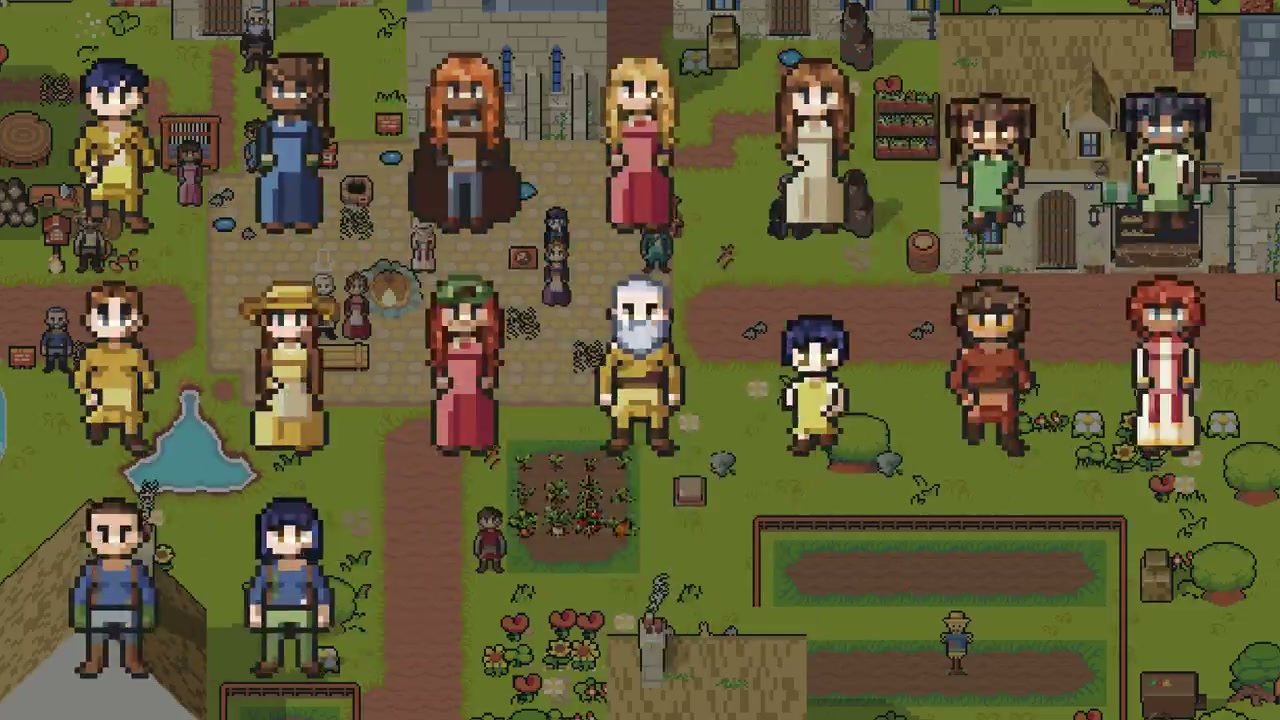
Ask a smith for something the game does not have yet
The team’s launch article gives a practical example: ask Garrick the smith to hollow out a log into a bowl for stew. If a suitable item already exists, he explains how to make it. Otherwise, the model can propose a new item and recipe.
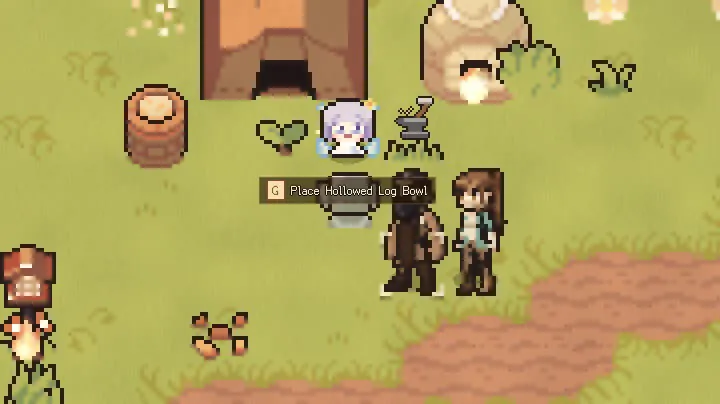
The same idea applies to interactions. Code handles the world’s existing rules; the model is called when an action has no defined outcome. Proposed additions must pass validation, checks for resource exploits and sandbox testing. Accepted rules are shared, so a comparable situation can later run as ordinary code.
Those interactions can also set off further events. The developers describe lightning igniting dead wood and rain extinguishing campfires. New rules and objects are intended to participate in the same chains of cause and effect.
The engine and editor are open too
The GitHub repository includes the engine and an editor for maps, characters, items and quests, with playtesting and web export. Code is MIT-licensed. A connected model is optional: the game remains playable without one, while undefined actions usually produce no change.
Find the project at openworldrpg.ai or read the source and setup instructions on GitHub.