 GAMESLASH
Rabanaz developer shares where AI helps—and where he keeps control
By GameSlash
Edaqa Mortoray describes using language models for Unity helpers, debugging and wording, without handing over the game's core logic.
Rabanaz developer Edaqa Mortoray shared his AI-assisted workflow on October 30: use language models for Unity research, debugging and development tools, while keeping control of the game's core code.
His examples include an asset importer and an editor panel for loading test states. He also uses language suggestions and graphics calculations, including a curved CRT effect. These are selected production tasks, not a claim that AI made the whole game.
Mortoray says generated tools can misbehave and language suggestions need checking. For small teams, this case suggests a practical boundary: isolate helper scripts from shipped logic, test them on recoverable project copies, and review their output rather than treating a plausible answer as a finished feature.
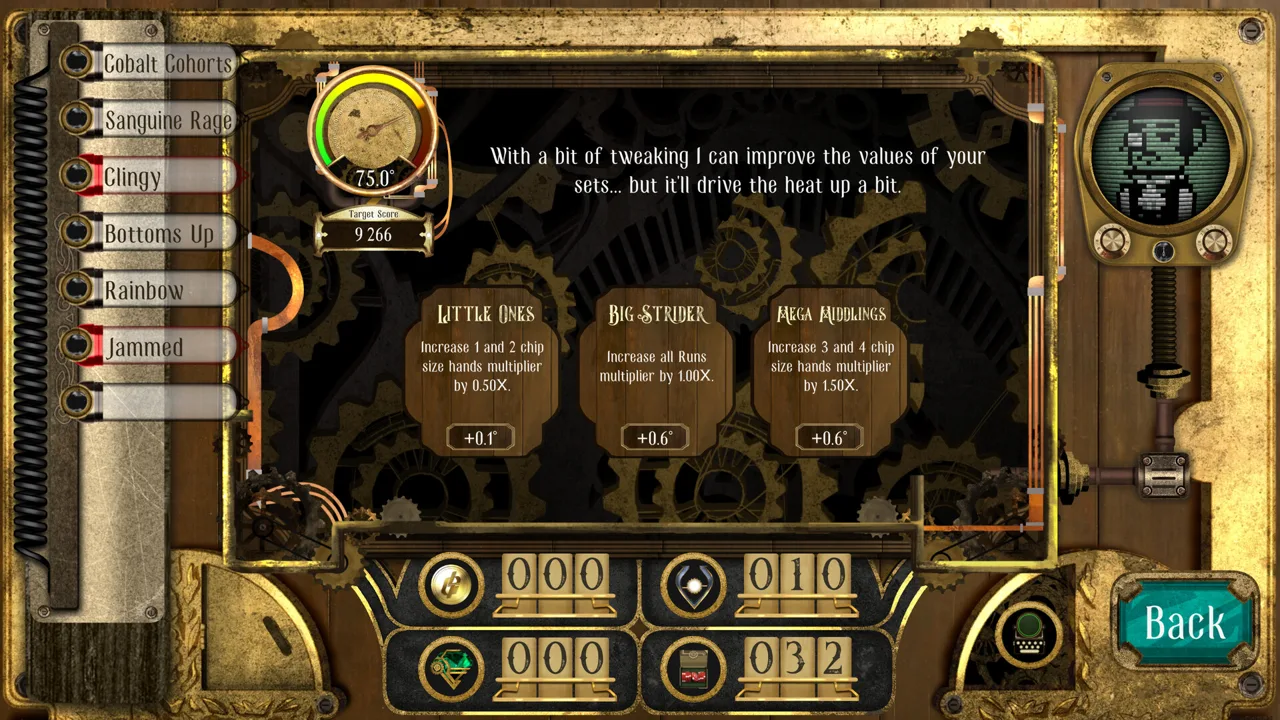
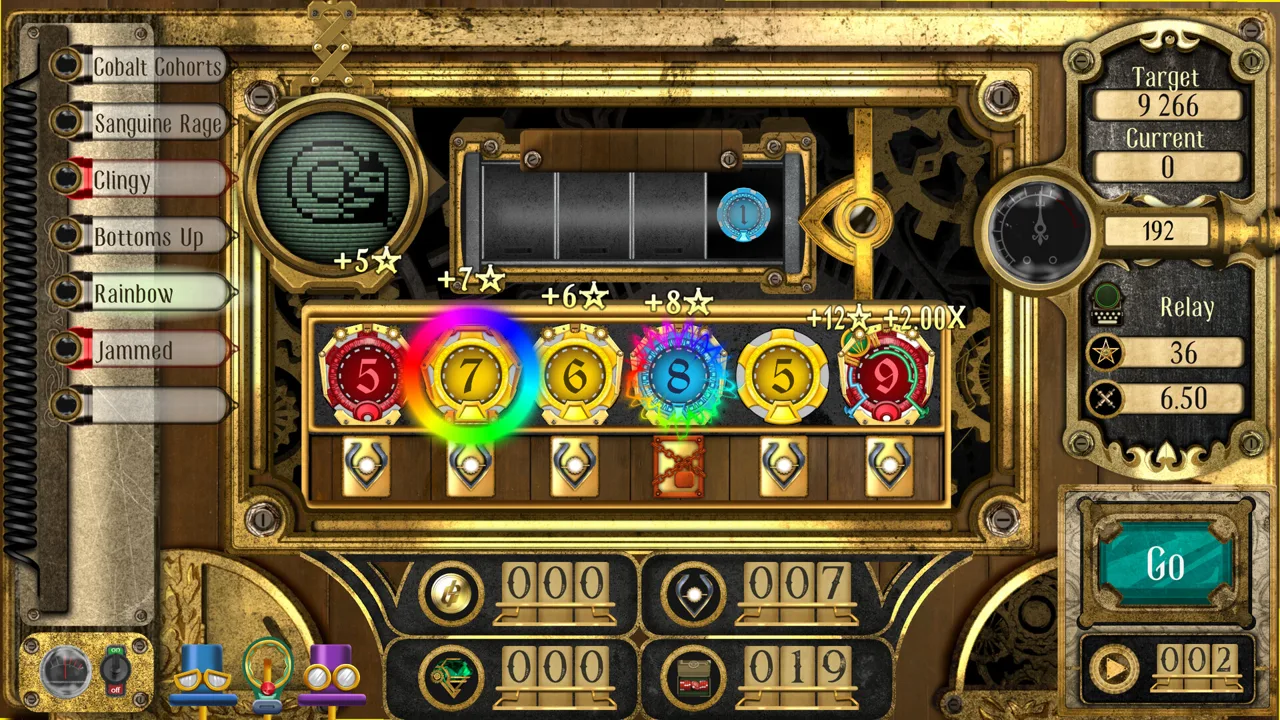
Rabanaz is a steampunk casino deckbuilder built around coloured chips and machine modifications. Its Steam page lists a demo and a planned 2027 release. The October 30 news is the developer's production account, not the game's launch.