 GAMESLASH
Simon Willison shares AI game-making lessons: prototypes still need playtesting
By GameSlash
Four browser-game experiments offer development trails to study, while Battle Drones exposes concrete model states and source code.
Simon Willison's October 28 account shares four AI-assisted browser-game experiments and their development trails. The useful lesson is not a model ranking: playable results still require iteration and testing.
From a working scene to a working game
Willison reports building Tree Appreciator in Claude chat, while Emberwick needed further playtesting to fix quest-state problems. His judgments about which model makes more enjoyable games are personal observations, not a controlled benchmark.
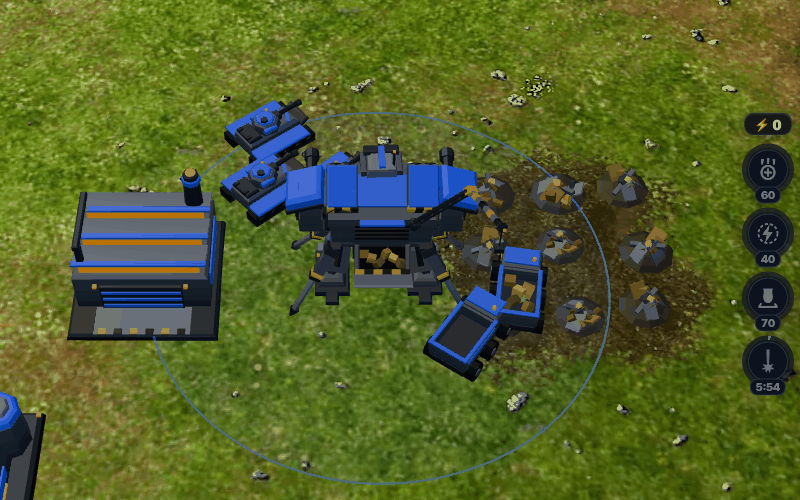
Battle Drones offers a concrete project to study. Its repository contains the RTS source and replay tools. The game revolves around units competing for resources and territory.
Inspect the states, not just the finished model
The project's development-image notes document procedural three.js models in both a gallery and real skirmishes. The Gantry progresses from an empty platform through foundation, frame, armament and finishing to rollout.
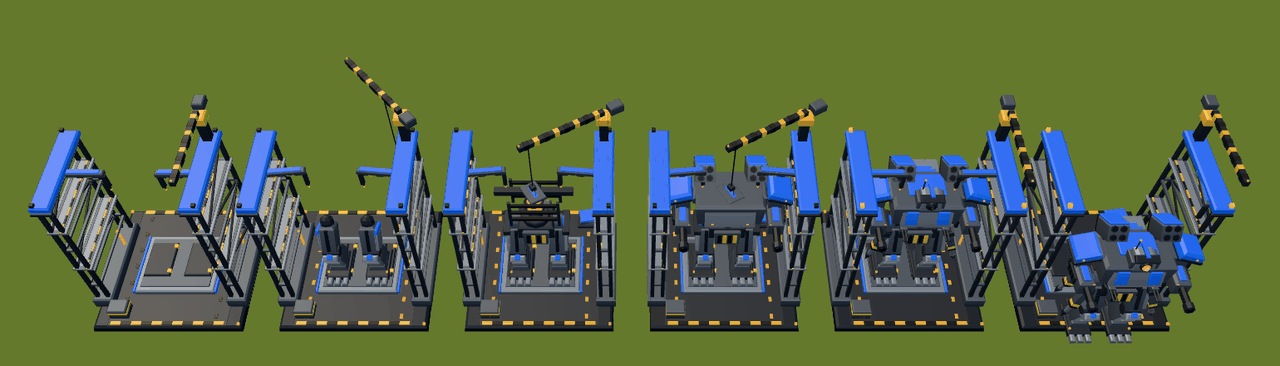
For a small team, a useful exercise is to test each visible state separately, then check it in a match. These archived images illustrate that development approach—not a new October 28 game update or a GameSlash playtest.