 GAMESLASH
vex adds Godot SpriteFrames export and code-built comic art for AI game creators
By GameSlash
A November 6 code update adds Godot 4 SpriteFrames export and procedural ink/comic tools to vex, a script-driven vector art pipeline for game sprites.
On 6 November 2026 at 18:18 UTC (7 November in Thailand), the open-source vex vector-art toolkit added direct Godot 4 SpriteFrames export and a comics/ink drawing kit. The change is documented in the developer's commit. For AI-assisted indie game creators, it means code-authored sprites and their animation frames can be packaged for Godot without manually rebuilding each frame sequence.

What has changed for Godot developers
The new build --godot option writes a Godot 4 SpriteFrames resource as a .tres file alongside generated animation strips and atlas output. Developers can define shapes, palettes, variants and frame sequences in a .vx.js source file, build the assets, and bring the animation resource into a Godot project. It is a reusable art pipeline, not a finished game or a guarantee that engine-side gameplay is configured automatically.
Because the assets come from a versionable drawing script rather than one-off images, an AI coding agent can edit a precise shape, color or animation value and rebuild. The project includes a Claude Code skill, but it also works manually; it is not a text-to-image model. Test imports, sprite alignment and animations in your own project before shipping.
A second addition: ink and comic-panel drawing
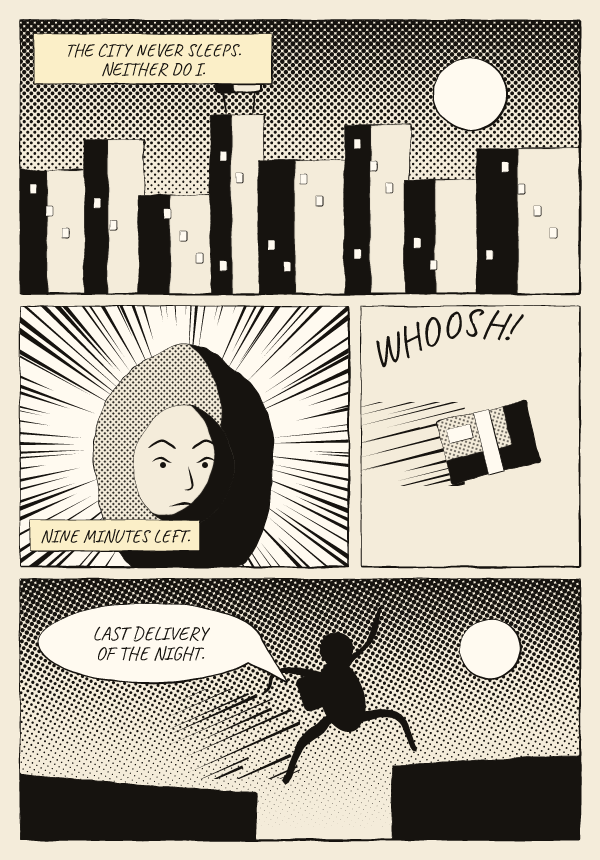
The same update introduces comic-page helpers such as panels(), panel(), halftone screentones, pressure-like strokes and radial speed lines. These are useful for story panels, dialogue art or illustrated transitions in games rather than only for standalone comics.
What to try and what remains to verify
Start with the project examples, then build an animation strip and its accompanying Godot SpriteFrames resource. Check the imported frame order, timing, pivots and collision/hitbox timing manually in Godot. The commit and repository provide code and example renders; GameSlash has not independently run the tool or tested the export in Godot.
Sources: 6 November UTC code change; official README; MIT reuse terms.